Your first 10K does not need a shopping list as long as your training plan. The best first 10k gear example is simple: comfortable shoes you have already run in, clothes that do not rub, and a secure way to carry the few essentials you genuinely need. No bounce. No bulk. No last-minute surprises.
A 10K is long enough for small discomforts to become distracting. A mobile phone sliding in a pocket, a waistband that rolls down or a new pair of socks can take attention away from your pacing and enjoyment. Get the basics right in training, then repeat the same setup on race day.
A first 10k gear example for training
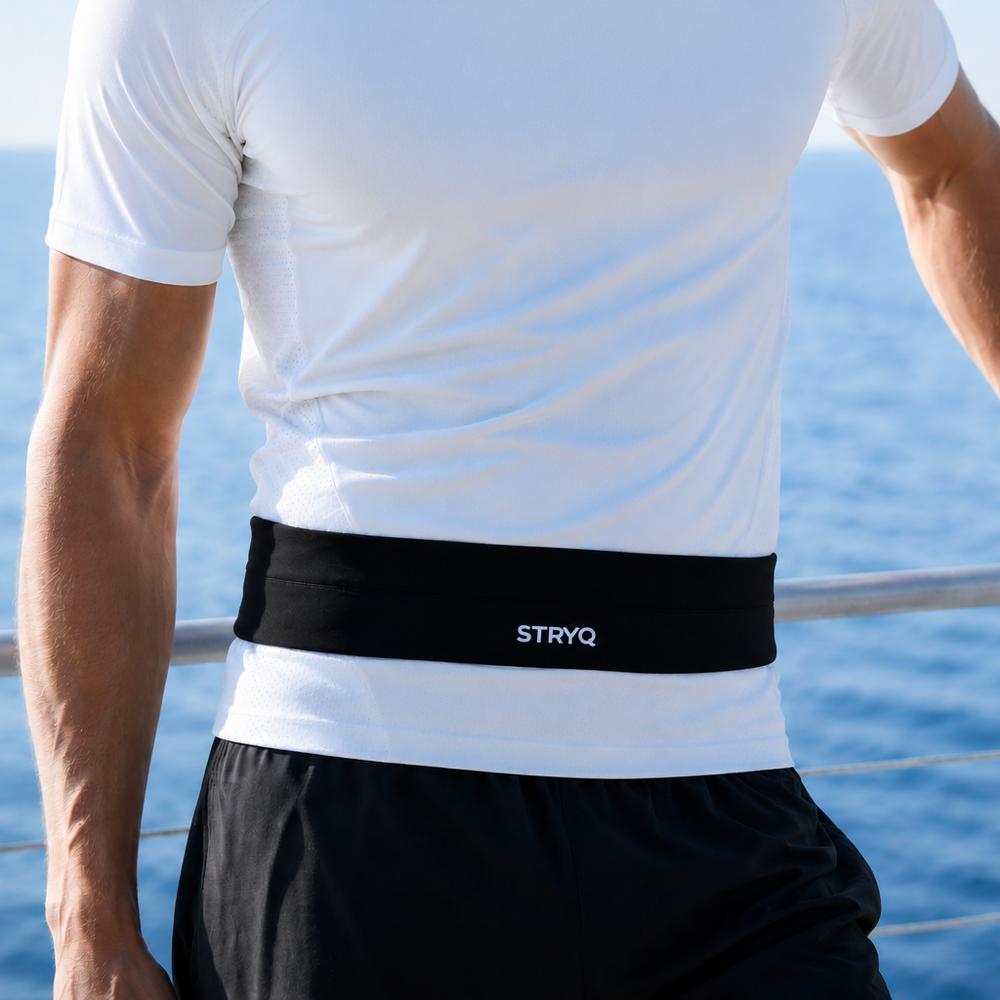
For a typical 10K training run in mild UK weather, a practical setup might be a breathable running top, shorts or leggings that stay put, running socks, familiar shoes and a lightweight running belt. In the belt, carry your mobile phone, keys and perhaps a small soft flask if you are running somewhere without water.
That is enough for most runners. You do not need to carry gels, a full hydration pack and spare layers for a 45 to 75-minute run unless the conditions or your route call for them.
The key is to test this setup before the event. Go for an easy run, then try it during one of your longer sessions. If the belt moves, the bottle leaks or your mobile phone feels awkward to reach, change it then. Race morning is for repeating what works, not finding out what does not.
Shoes and socks come first
Your shoes should feel settled, not fresh from the box. Ideally, wear a pair you have used for several runs, including at least one run close to your expected 10K distance. This helps you spot pressure points, hot spots and laces that gradually loosen.
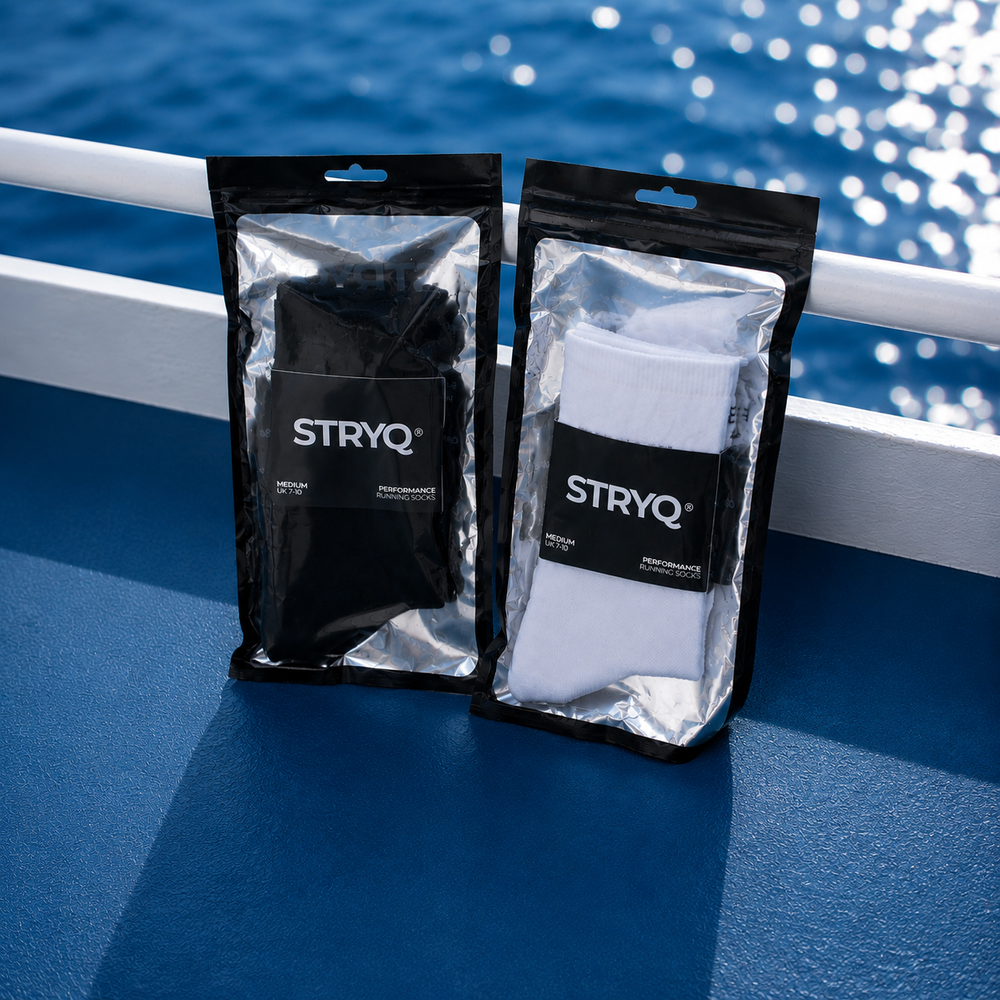
Socks matter more than they get credit for. Choose running socks that fit close to the foot and manage moisture well. Avoid cotton if you can, especially if rain is likely. A sock that bunches under the toes or slips at the heel can cause rubbing surprisingly quickly.
There is no universal best shoe for a first 10K. Some runners prefer cushioned models for comfort, while others like a firmer, lighter feel. The right choice is the pair that has been comfortable throughout your training. Do not switch to a faster-looking shoe because it is race day.
Clothes that disappear once you start running
Your kit should feel almost boring. A technical T-shirt or vest, supportive sports bra where needed, and bottoms that do not chafe are a strong starting point. Try every combination on a run, not just in front of the mirror.
For cooler mornings, a light long-sleeve layer can be useful. If you warm up quickly, use an old top you are happy to remove before the start rather than tying a jacket around your waist for the whole race. In wet weather, a light cap can keep rain out of your eyes. In bright conditions, it also helps with glare.
Apply anti-chafe balm before longer training runs if you have noticed rubbing around the thighs, underarms, bra line or waistband. This is not over-preparing. It is a straightforward fix for a problem that can make the last few kilometres feel much longer.
What should you carry for a 10K?
Most first-time 10K runners need somewhere safe for a mobile phone and keys. That is where a close-fitting running belt earns its place. A proper belt keeps essentials close to your body, rather than bouncing against your hip or pulling at a pocket. It should fit securely without needing to be painfully tight.
Carry your mobile phone if it gives you reassurance, lets you contact someone after the race or holds your ticket, music and emergency details. Put it in a sweat-resistant pocket, screen facing inwards where possible. Keep keys separate from the mobile phone so they do not scratch it or rattle with every stride.
If you use wireless earbuds, test them on several runs. You may decide to leave them at home for an organised event, where the atmosphere and marshal instructions are part of the experience. If you do run with them, keep the volume low enough to stay aware of people, traffic and announcements.
Hydration depends on the day. On a cool morning, with water stations on the route and a finish time around an hour, many runners will not need to carry water. On a hot day, a rural route or a run expected to take longer, a small soft flask can make a real difference. A flask is easier to carry when it sits securely in a belt or vest pocket rather than in your hand.
Do you need gels for your first 10K?
Usually, no. If you have eaten a normal pre-run meal or snack and your race will last around an hour, you are unlikely to need energy during the run. A gel can be useful for runners who expect to be out for much longer, have trained with one already, or simply know it helps them feel better.
The rule is simple: never take a gel for the first time in a race. They can be sticky, overly sweet or uncomfortable on the stomach. Save experimentation for training. The same applies to caffeinated gels and sports drinks offered at water stations.
Race-day gear: keep it familiar
Lay everything out the night before: shoes, socks, outfit, belt, mobile phone, keys, number pins and any layers for before or after the race. This removes the early-morning search for one missing sock when you should be eating breakfast and getting ready calmly.
Wear the same kit you used in your longer runs. Even if the weather forecast changes, resist major changes unless they are clearly necessary. If rain is expected, choose your tested quick-drying layers. If it is warm, dress for the temperature you will feel after the first kilometre, not while standing still in the start pen.
If your event has a bag drop, pack dry clothes and a warm layer for afterwards. You may feel fine immediately after finishing, then get cold once you stop moving. A spare pair of socks can be especially welcome after a wet race.
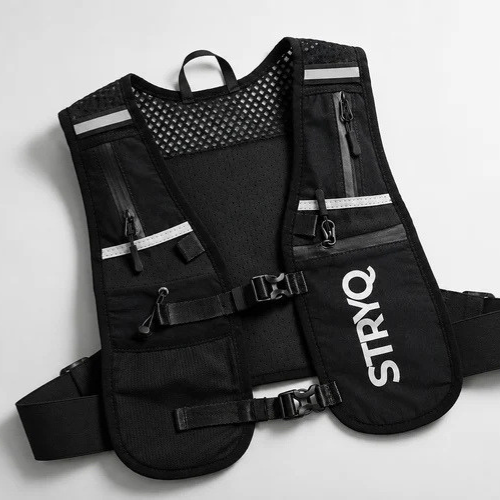
For runners who want more carrying capacity, perhaps for commuting to an event or combining a 10K with a longer training day, a lightweight hydration vest can be useful. But it is not automatically better. A vest is more gear to fit and test, and for many standard 10Ks a belt is the simpler option. Use the smallest carrying solution that meets your needs.
Common first 10K gear mistakes
The most common mistake is adding too much. New runners often assume longer distance means more equipment. In reality, excess kit can make a run hotter, heavier and less comfortable. Carry what supports your plan, not what makes you feel prepared for every possible scenario.
The next mistake is trusting pockets that have never been tested. A mobile phone may seem secure when walking, then start bouncing as soon as you run downhill. Shorts pockets can work well, but only if they hold your items snugly and you have already used them at pace.
Finally, avoid saving your best kit for race day. Your best kit is the kit that has proved itself. At STRYQ, that practical approach shapes every accessory: solve the carrying problem without adding distraction to the run.
Your first 10K is a chance to learn what makes you feel comfortable and capable. Start with the basics, test them on real runs, and let your gear support the miles rather than demand your attention.