A hot 10K can leave you salt-streaked and drained. Yet drinking an electrolyte tablet before every easy run can be just as unnecessary as setting off for a three-hour long run with water alone. Electrolyte timing questions are really about matching your drink to the session, the weather and how much you personally sweat.
There is no single schedule that works for every runner. A winter parkrun, a humid half marathon and a hilly summer trail run ask different things of your body. The useful approach is simple: start well hydrated, drink regularly when the run calls for it, and use electrolytes where they solve a real problem.
What electrolytes do when you run
Electrolytes are minerals that help your body manage fluid balance, nerve signals and muscle function. Sodium is the main one to consider during running because it is lost in sweat. Sports drinks and electrolyte tablets may also contain potassium, magnesium and calcium, but sodium usually does the practical work for endurance runners.
They do not create energy. If you are running for long enough to need fuel, you still need carbohydrate through gels, chews, drink mix or food you can tolerate. A drink can contain both carbohydrate and electrolytes, but they are solving two different problems. One supports fluid replacement; the other supports your available energy.
Electrolyte timing questions runners ask most
Should I take electrolytes before a run?
For most runs under an hour, particularly in cool weather, you do not need to deliberately load up on electrolytes. Eat normal meals, drink to thirst through the day and avoid beginning the run dehydrated. Pale yellow urine is a useful broad check, though it is not a performance score to chase.
An electrolyte drink before running can make sense when you know you will sweat heavily, are starting in warm conditions, or have had limited time to rehydrate after a busy day or previous session. Sip it with your pre-run routine rather than downing a large bottle at the front door. Drinking excessive plain water or sports drink before a run is more likely to mean an uncomfortable, sloshy start and a toilet stop.
If you are racing early and struggle to eat or drink after waking, a small, familiar electrolyte drink alongside breakfast can be a practical option. The key word is familiar. Race morning is not the moment to test a stronger tablet or a new flavour.
When should I start drinking electrolytes during a run?
Do not wait until you feel properly thirsty, cramping or light-headed. By that point, catching up can be difficult. On longer runs, start taking small drinks early, usually within the first 20 to 30 minutes, then keep sipping at intervals that feel manageable.
How early you need electrolytes depends on the conditions. On a cool, easy 45-minute run, water may not be necessary at all. On a 90-minute run in warm weather, beginning with an electrolyte drink is more sensible. If you are running for several hours, consistent intake matters more than one large drink at a checkpoint.
Small, regular sips are easier on the stomach and easier to manage while moving. They also stop a soft flask becoming something you carry but never use until the final miles.
Is water enough for a long run?
Sometimes, but not always. Water may be enough for a shorter run in mild conditions, especially if you have eaten and hydrated normally beforehand. As duration, heat, humidity and sweat losses rise, water alone becomes less reliable for many runners.
Long runs are where individual differences become obvious. Some runners finish with white salt marks on their clothes and need a higher-sodium drink. Others sweat less or run in cooler conditions and feel fine with a lighter mix. Your pace matters too. A runner out for four hours has more time to lose fluid and sodium than someone covering the same route much faster.
A good starting point is to carry water for runs lasting around 60 to 90 minutes or more, then add electrolytes when conditions are warm, the session is long, or you know you are a salty sweater. Adjust from there using your own experience.
How much should I drink each hour?
There is no useful one-size-fits-all number. Your thirst, the temperature, your pace, your body size and your sweat rate all affect the answer. Many runners find that roughly 400 to 800 ml per hour is a workable range in longer or warmer sessions, but that is a starting point, not a target to force.
The better aim is to avoid finishing severely dehydrated without overdrinking. If you regularly return from runs with a pounding headache, very dark urine, major weight loss or exhaustion far beyond the effort, review your fluids. If you feel bloated, need frequent toilet stops or are drinking because a plan says so rather than because you need it, you may be taking in too much.
For a clearer personal guide, weigh yourself before and after an occasional long run, ideally in similar conditions. Account for what you drank, then look at the trend rather than obsessing over one result. This gives you a useful picture of your sweat loss and makes planning race-day fluids less of a guess.
Do I need electrolytes for cramps?
Not necessarily. Cramps are frustrating, but they are not always a simple sign of low salt. Running harder than you are conditioned for, fatigue, hills, heat and pacing can all play a part. Electrolytes may help if you have been sweating heavily and losing sodium, but they are not a guaranteed fix.
Treat repeated cramps as a reason to look at the full picture. Were you undertrained for the distance? Did you set off too fast? Did you drink less than usual? Were you taking in enough carbohydrate? A better plan often comes from adjusting two or three small things, not adding more tablets.
Timing electrolytes around different runs
An easy weekday run needs the least planning. If it lasts less than an hour and conditions are comfortable, drink normally before and after. Take water only if you prefer it or the weather is unusually warm.
For tempo sessions, intervals or a hard hill workout, your fluid needs may rise even though the run is not very long. Higher effort creates more heat. If it is warm or you start the session already thirsty, bring a small drink and use electrolytes if you expect to sweat significantly.
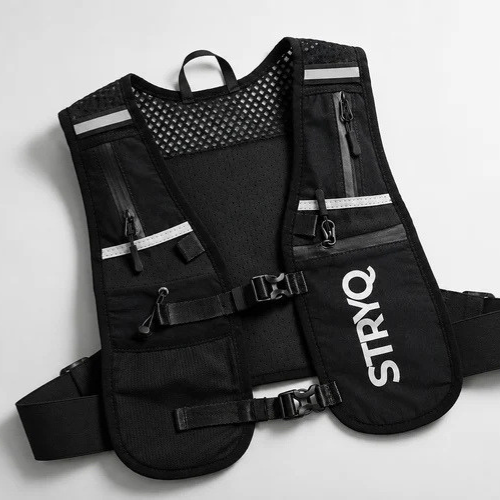
For long runs, practise the exact routine you are likely to use in a half marathon, marathon or ultra. This means timing your first sip, knowing how often you will drink, and pairing fluids with your fuel. A hydration vest or running belt that holds soft flasks securely makes this far easier. No bounce and no fumbling means you are more likely to drink when planned.
For race day, do not copy another runner's strategy. Check what is available on the course, but carry the product and flavour you have trained with if possible. Aid stations are useful, yet relying on an unfamiliar drink can upset an otherwise solid plan.
Choose the right strength, not the strongest drink
More electrolytes are not automatically better. Stronger mixes can taste unpleasant, feel heavy in the stomach or encourage you to drink less. Follow the mixing instructions first, then make small changes based on training experience. Do not make a concentrated bottle simply to save carrying space.
If you use separate water and electrolyte flasks, label or position them consistently so you know which is which when tired. Some runners prefer alternating between plain water and an electrolyte drink. Others like one mixed bottle. Either can work if you are drinking enough and your stomach is happy.
Runners with kidney, heart or blood-pressure conditions, or anyone taking medication that affects fluid or sodium balance, should get individual advice from a clinician before using electrolyte products regularly.
The most useful hydration plan is one you barely have to think about at mile 18. Build it during ordinary training, carry it comfortably and make small adjustments when the weather changes. Your legs will have enough to deal with already.