A marathon belt earns its place when you stop noticing it. No bouncing at mile 14. No fumbling for a gel at a busy water station. No phone digging into your lower back when your form starts to fade. The best marathon belts keep your essentials secure and close, so you can focus on pacing, fuelling and getting to the finish.
There is no single belt that suits every runner or every race. Some runners need a slim option for a phone, keys and three gels. Others need room for soft flasks, extra nutrition and layers for a long training run. The right choice comes down to what you carry, how you run and whether the belt stays comfortable after two hours, not just two minutes in the kitchen.
What makes the best marathon belts different?
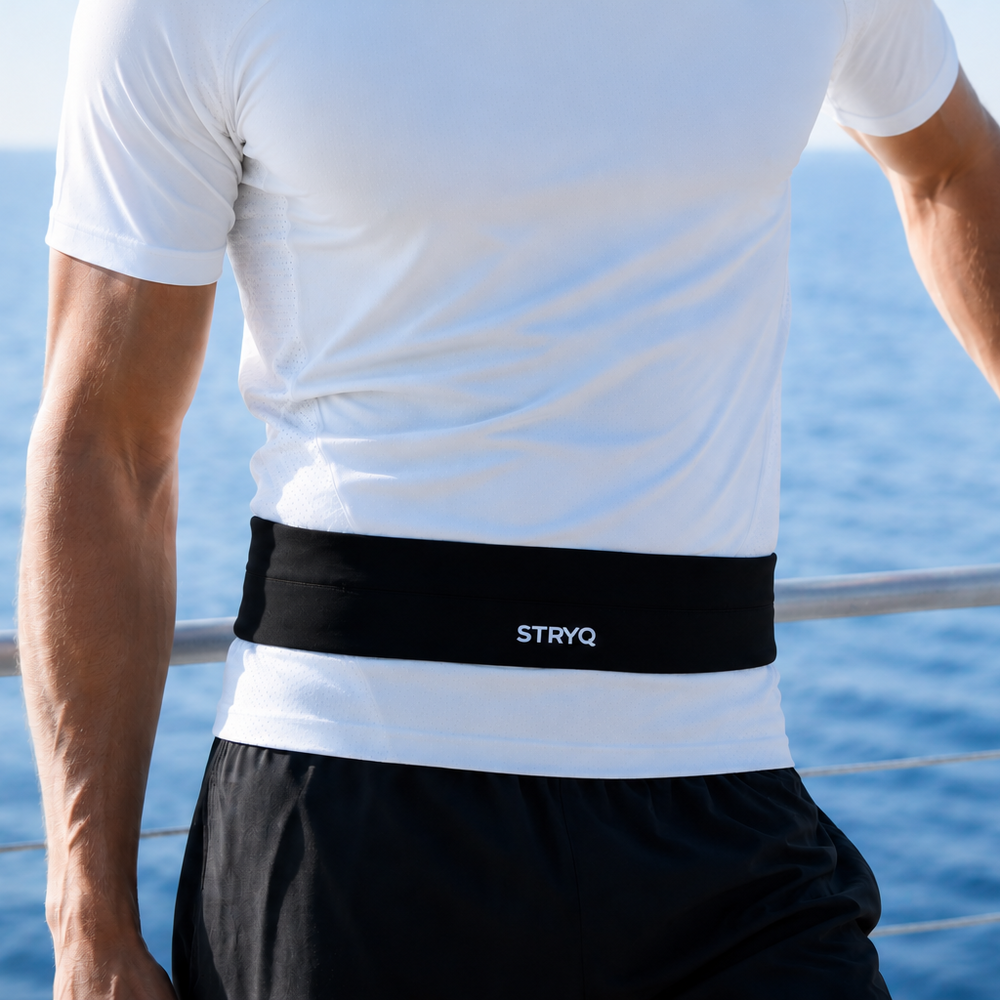
A good marathon belt is built around stability. Capacity matters, but a large pocket is not much use if its contents move with every stride. Look for a close fit around the waist, enough stretch to sit comfortably as you breathe, and a design that holds its shape when loaded.
The best belts spread weight around the body rather than letting everything gather in one heavy pouch. A continuous pocket or several well-positioned compartments can make gels, a phone and a small flask feel far less intrusive. Flat seams and soft fabric also matter. Marathon training exposes small irritations quickly, particularly when sweat, rain and repetitive movement are involved.
Access is the other test. You should be able to take a gel, replace it, or reach your phone without breaking stride or turning the belt around. On race day, simple is usually better. A belt with too many zips, clips and adjustments may look organised, but it can become frustrating when your hands are cold or you are tired.
1. A fit that stays put without feeling tight
Bounce is usually a fit problem before it is a belt problem. A belt worn too loose will ride up and move, while one pulled too tight can restrict breathing and rub around the waist. The aim is a secure, low-profile fit that sits still when you jog, accelerate and take a downhill section.
Check the sizing guidance carefully and measure where you plan to wear the belt. Most runners prefer the natural waist or just above the hips. If you wear it lower, it may be more likely to slide, particularly when carrying a phone or flask.
Adjustable belts work well if your waist size changes between winter layers and summer kit. Tubular, pull-on belts can feel especially smooth because there is no buckle pressing into your body. The trade-off is that sizing needs to be right from the start. If you are between sizes, consider what you will carry and test the belt with a full load before committing to race day.
2. Enough storage for your actual race plan
Do not choose a marathon belt based on the maximum amount it can hold. Choose one based on what you will genuinely carry for your longest run and your target race.
For many UK road marathons, a phone, keys, card, gels and perhaps salt tablets are enough. Organised events often provide water, and some provide sports drink or gels. In that case, a slim belt with a secure phone pocket and easy-access space for nutrition is often the most comfortable option.
If you prefer your own hydration, are running a self-supported route, or struggle to find drinks that agree with you, extra capacity becomes useful. A belt that can carry one or two soft flasks gives you more control over fuelling. It also adds weight. That weight needs to sit close to the body, otherwise it becomes noticeable with every stride.
Think through small essentials too. Tissues, anti-chafe balm, inhalers, a lightweight emergency layer and a parkrun barcode can all be useful, but they add up. Carry what solves a real problem. Leave the just-in-case clutter at home.
3. A phone pocket that protects and holds firm
Phones are one of the main reasons runners buy a belt. They are useful for safety, travel, tracking, music and meeting family after the finish. They are also heavier than most gels, especially with a case.
The phone pocket needs to be large enough for your device but snug enough that it does not bounce. Stretch fabric can work well because it holds the phone flat against the body. A zip can provide added reassurance, although the zip should be smooth and positioned where it will not rub.
Consider where you like your phone to sit. At the front, it is easier to reach but can feel bulky when you bend. At the back, it is less noticeable for some runners but harder to access. Side placement can be a good compromise. There is no universal answer, so use your training runs to work out what feels natural.
Water resistance is helpful in British weather, but it is not the same as waterproofing. If rain is likely, a simple waterproof sleeve for your phone can offer extra protection without changing your belt setup.
4. Fuel access that does not interrupt your rhythm
Marathon fuelling should be rehearsed, including where you carry your gels. A belt with easy-to-reach pockets makes it simpler to take fuel at planned intervals rather than delaying because a gel is awkward to find.
Avoid stuffing every gel into one pocket if that creates a hard lump against your stomach. Spread them around the belt where possible. It reduces pressure points and makes the contents easier to manage. Check that wrappers cannot work loose, particularly in open mesh pockets.
Some runners like race-number toggles on a belt, especially if they dislike pinning a bib through a favourite top. They can be useful, but they are not essential. If you use them, practise with the belt and bib before race morning. Make sure the number lies flat and does not cover a pocket you need for fuel.
5. Materials that cope with sweat, rain and long runs
A marathon belt does not need to feel thick to be durable. Lightweight, stretchy fabric is usually more comfortable, provided it rebounds after being loaded and washed. Breathable material helps reduce trapped sweat, while smooth edges lower the risk of rubbing.
A belt can feel perfect on a cool 5K and cause trouble on a humid 20-mile run. Test it in conditions that resemble your race preparation. Wear it over the same top or base layer you expect to use, fill it with your normal kit, and include at least one long run in wet weather if possible.
Wash care matters too. Sweat and sports drink residue can make fabric stiff and unpleasant over time. Follow the care instructions, avoid excessive heat, and make sure the belt is fully dry before packing it for an event.
6. Hydration capacity without unnecessary bulk
Hydration belts suit some marathon runners very well and others not at all. If a race has frequent water stations and you are comfortable drinking on the move, you may not need to carry fluids. A lighter belt can feel better late in the race.
If you run in warmer conditions, need a particular drink, or are training on routes with few refill points, soft flasks are a practical option. They reduce in size as you drink, which helps limit sloshing and frees space. Choose a belt designed to hold them securely, rather than forcing flasks into a pocket that was meant for gels.
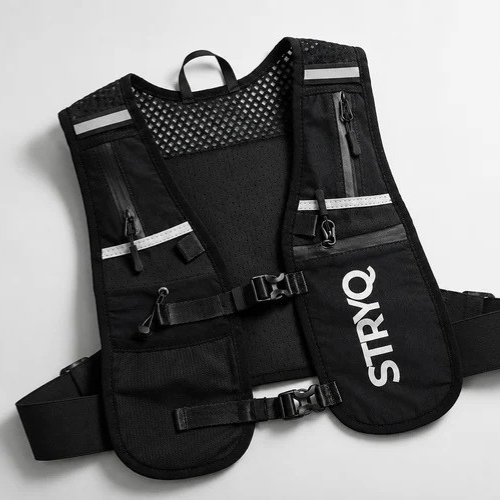
For longer training runs, a hydration vest may be the better tool. It carries more fluid and fuel with less pressure around the waist. STRYQ runners often use a belt for shorter races and supported marathon days, then move to a vest when distance, heat or self-supported routes demand more capacity.
7. A setup you have tested before race day
The best belt on paper can still be the wrong belt if it is new on the start line. Use your chosen setup on several runs, including a long run at marathon effort if your training allows. Test it with the same phone, fuel, fluids and clothing you will use on the day.
Pay attention to what happens after an hour. Does the belt creep upwards? Do gels become hard to reach? Does a zip rub when you breathe deeply? Small issues are easier to fix now than at mile 22.
It is worth practising at different paces too. A belt that stays still on an easy Sunday run may move when you run hills, pick up the pace or descend. Adjust the fit, redistribute the contents, or reduce what you carry until it feels settled.
Choosing your marathon belt
Start with your race plan, not the product description. If you only need essentials, prioritise a slim, secure belt with a dependable phone pocket. If you carry your own fluids, look for stable flask storage and accept that the belt will be slightly more noticeable. If chafing has caused problems before, put smooth fabric and a close fit ahead of extra capacity.
Your belt should make race-day logistics simpler, not give you another thing to manage. Pack it the night before, practise the routine in training, and let it disappear into the background when the miles begin.