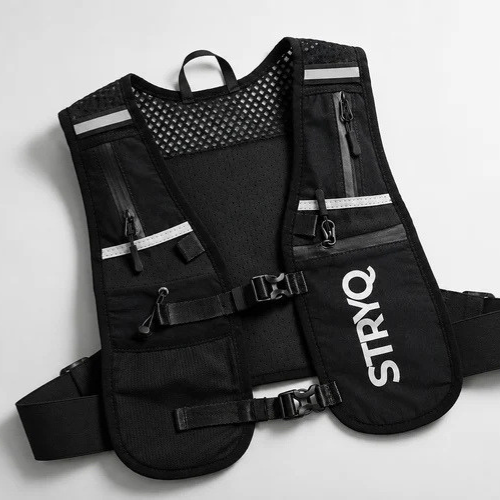
A vest can feel perfect while standing in front of the mirror, then become a bouncing, rubbing distraction within ten minutes of running. Finding the best lightweight running vest for men comes down to how it behaves at your pace, with your kit inside it, not how many pockets it has on a product page.
For most runners, the right vest should disappear once it is adjusted. It should hold water close to your body, keep your mobile phone and fuel easy to reach, and leave your shoulders free to move. No bounce. No bulk. Just the essentials where you need them.
What makes a lightweight running vest worth wearing?
Lightweight does not simply mean the lowest number on the label. An ultra-light vest that shifts around when loaded will soon feel heavier than a slightly more structured design that stays put. The best balance is low weight, soft materials and a close fit that spreads the load across your upper body.
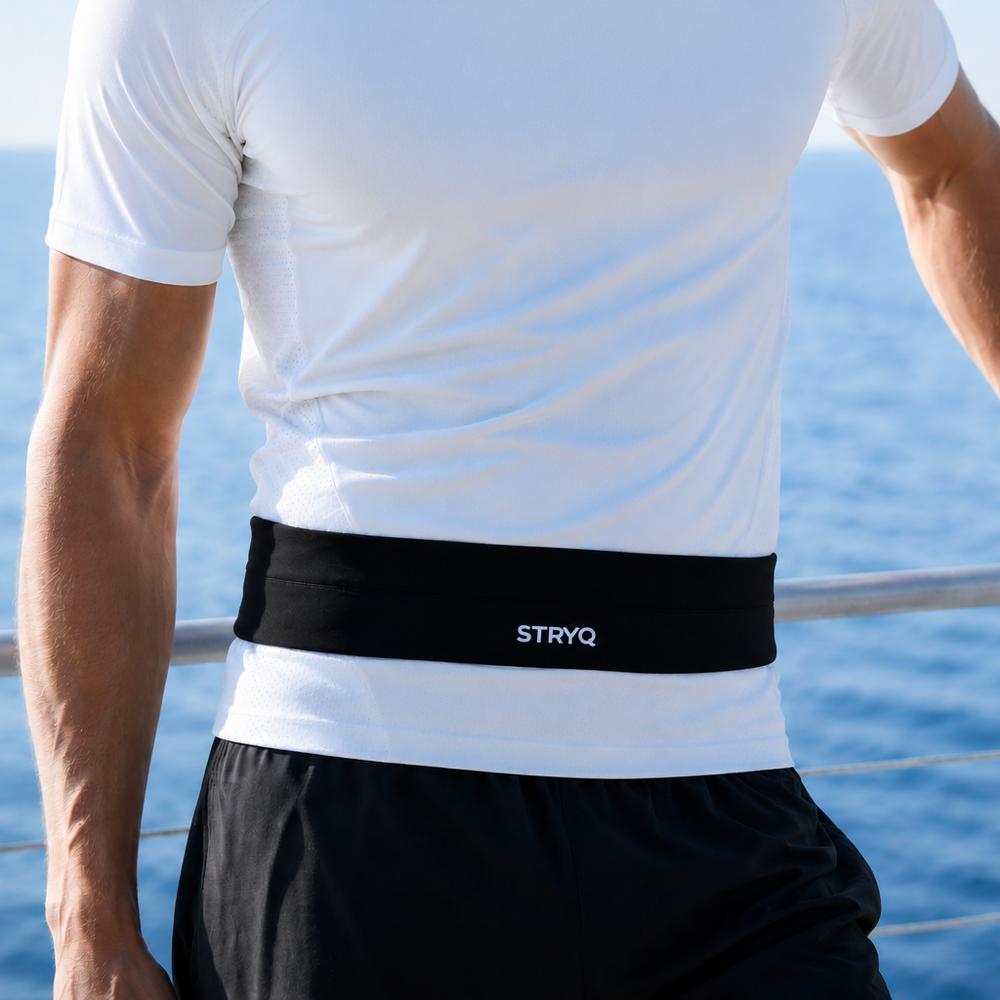
A good running vest also solves a problem a belt cannot always solve. For a short 5K or parkrun, a running belt may be all you need for a mobile phone and key. Once your run is longer, warmer, hillier or further from home, a vest gives you space for hydration, gels, a light layer and basic safety items without overfilling your pockets.
Look for breathable mesh against the back and chest, with enough structure to stop soft flasks moving about. Thin, flexible materials are useful, but they need sensible adjustment points. A vest that can be tightened at the chest and sides will be easier to dial in as you add or remove layers.
Choose capacity for your actual runs
Many runners buy a larger vest than they need. That can lead to spare fabric, excess movement and the temptation to carry far too much. Start with the distance, conditions and support available on your usual routes.
For 5K, 10K and everyday training
If you usually run for under 90 minutes and have access to water, a compact vest is often enough. Around 1.5 to 3 litres of storage gives room for a mobile phone, keys, a gel or two, a light jacket and perhaps one soft flask. This is a useful option for runners who dislike holding a bottle but do not need expedition-level storage.
Be honest about whether you need a vest at all for these runs. In cool weather, a running belt may feel simpler. A lightweight vest earns its place when hydration or an extra layer matters.
For half marathons and longer training runs
A 4 to 6 litre vest suits many long-run and race-day needs. It can carry two front soft flasks, enough nutrition for a couple of hours, a mobile phone, gloves, a windproof layer and small essentials. This is the sweet spot for a lot of marathon runners, particularly when training through changeable British weather.
Capacity is useful, but pocket layout matters more than a large central compartment. You should be able to take a drink, grab a gel and put rubbish away without stopping or twisting round to reach your back.
For trail runs and ultras
Longer self-supported days may call for 8 litres or more, especially if mandatory kit is involved. The trade-off is clear: more space usually means more material and a little more weight. Choose this size when you genuinely need waterproofs, food, spare layers and extra water, rather than as an all-purpose choice for every run.
Fit is the difference between secure and annoying
The best lightweight running vest for men should fit your torso, not hang from your shoulders. Start by measuring your chest where the manufacturer advises, then use that as a guide rather than a guarantee. Broad shoulders, a narrow chest and a long torso can all affect which cut feels right.
Try the vest on with the kit you expect to carry. A vest can feel snug when empty yet become loose once flasks and a jacket are added. Fill the bottles, put your mobile phone in its intended pocket and jog up and down a few stairs if you can. You are checking for movement across the chest, rubbing around the neck and any pressure points under the arms.
The chest straps should sit comfortably without digging in or restricting breathing. They should also be adjustable enough to work over a T-shirt in summer and a base layer in winter. If you are between sizes, it depends on the brand's cut and your preferred layers, but avoid sizing up simply for comfort. A vest that starts loose rarely becomes stable on the run.
Watch for these fit issues
Bouncing flasks usually mean the vest is too loose, the flask pocket is too deep or the bottles are not filled enough. Chafing under the arms can mean the vest is sitting too low, while neck rub often points to a poor shape for your frame rather than a problem you should try to tolerate.
A few minutes of adjustment before heading out can save a frustrating run. Tighten gradually, then reassess after the first kilometre. It is better to make small changes than pull every strap as tight as possible.
Hydration: soft flasks or a bladder?
Front soft flasks are the practical choice for many road runners. They keep weight forward and balanced, make it easy to see how much you have left, and can be refilled quickly at a tap or aid station. As you drink, they shrink down rather than sloshing about.
A hydration bladder can carry more water and may suit runners spending longer in the hills, where refilling points are limited. It keeps the front of the vest clearer, but it is harder to monitor your intake and less convenient to refill during a race. Cleaning also takes more effort.
For most long road runs, two front flasks offer the simplest setup. Check that the pocket shape supports the flask you plan to use and that the bite valve sits within easy reach. A bottle that needs constant repositioning soon becomes a nuisance.
Storage should work while you are moving
A vest is only useful if your essentials stay secure and accessible. The mobile phone pocket should be stable enough that it does not swing, ideally high on the chest or close to the body. A zip is reassuring for valuables, but make sure you can still get to the pocket without taking the vest off.
Stretch pockets are handy for gels, gloves and wrappers, but they are not all equal. Shallow side pockets can be quick to access, while deeper rear pockets are better for a jacket or larger items. Think about what you will reach for most often and place it at the front.
Avoid packing hard items together. Keys pressed against a mobile phone are uncomfortable and can cause damage. Put keys in a secure small pocket, keep nutrition separate where possible, and use the rear storage for softer layers.
Do not overlook weather and clothing layers
In the UK, a clear start can turn into wind and drizzle before you are home. A useful lightweight vest needs enough room to carry a packable waterproof or windproof layer without becoming unstable. The fit should still work when you are wearing a long-sleeve top or light jacket underneath.
Breathability matters most on warmer days and hard efforts. Some back sweat is normal when you wear any vest, but wide mesh panels and minimal contact points help. Do not choose a very open, stripped-back design if its shape leaves you with rubbing after an hour. Comfort over distance matters more than saving a few grams.
A simple way to test a vest before race day
Never make your first proper outing in a vest on marathon day. Wear it on a short easy run first, then on a longer run with the full race setup. Use the same flasks, nutrition, mobile phone and layers you plan to take on the day.
Pay attention after 30 minutes, not just the first five. Notice whether the straps creep, whether the flasks bounce as they empty, and whether you can reach your fuel without breaking stride. Small frustrations become much more obvious when you are tired.
At STRYQ, the focus is on the details runners notice after several miles: secure storage, comfortable hydration and a fit that lets you get on with your run.
Frequently asked questions
Should a running vest be tight?
It should feel close and secure, but never restrictive. You need full, comfortable breathing and free arm movement. A little adjustment during a run is normal, especially as flasks empty, but persistent bouncing means the fit or size is wrong.
How much water should I carry?
That depends on the duration, temperature, your sweat rate and whether you can refill en route. For a shorter run in cool weather, you may need none. For longer or warmer runs, carrying water is sensible. Practise your hydration plan in training rather than guessing on race day.
Can I use a running vest for road running?
Yes. A compact vest is particularly useful for long road runs, marathon training and commuting runs. Choose a lower-capacity option with accessible front pockets so it does not feel oversized on pavement.
The right vest should make you more self-sufficient without making you feel loaded down. Start with the miles you run most often, carry only what helps, and give yourself enough training time to find the adjustment that feels like nothing at all.