A bad vest becomes obvious within the first mile. It rides up, rubs at the neck, bounces when the pockets are half full, and somehow makes carrying a phone feel harder than it should. A good lightweight running vest with pockets does the opposite. You stop thinking about it. Your essentials stay secure, your hands stay free, and your focus stays on the run.
That matters whether you are training for a first 5K, building towards a marathon, or just trying to make long runs less awkward. The right vest is not only about storage. It is about comfort under movement, easy access when you are tired, and carrying what you need without adding bulk you do not.
Why runners choose a lightweight running vest with pockets
Most runners start looking at vests for one of three reasons. They need more storage than a belt can offer. They want hydration without carrying a bottle. Or they are fed up with stuffing gels, keys and a phone into shorts pockets that were never designed for any of it.
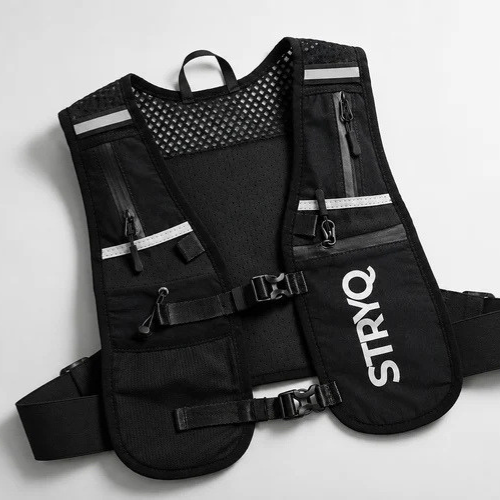
A vest solves those problems well when the fit is right. Weight sits higher on the torso, which can feel more stable than loading everything around the waist. You also get better organisation. Front pockets can hold soft flasks, gels or your phone. Rear compartments can carry a light layer, gloves or extra nutrition. Instead of one overstuffed pocket, you get a place for everything.
That said, a vest is not always the best option. If you are heading out for 30 minutes with just a key and a bank card, a running belt may feel simpler. For many runners, the choice comes down to distance, weather and how much they genuinely need to carry.
What actually makes a vest feel lightweight
Lightweight is not just about the number on a product page. A vest can be technically light and still feel heavy if the fit is poor or the storage layout is awkward.
What matters most is how the weight is distributed once it is loaded. Two soft flasks on the chest can feel balanced and secure. A single overloaded rear pocket can pull backward and shift with every stride. Stretch fabrics help, but only when they hold items close to the body. If the material is soft yet saggy, bounce follows quickly.
Breathability matters too. On paper, a vest may be minimal. On a warm run, if the fabric traps heat across the chest and back, it will not feel light for long. Mesh panels, low-bulk seams and a close but not restrictive fit usually make the biggest difference.
How much pocket space do you really need?
This is where many runners either overbuy or end up frustrated. More pockets are useful only if you will use them. The better question is what you need to carry on your normal runs.
For shorter sessions, you may only need space for a phone, keys and one gel. In that case, a very streamlined vest with a few accessible front pockets can be enough. For long runs, races and all-day events, you may need room for hydration, several gels, a waterproof jacket and perhaps gloves or a hat. That is where extra storage starts to earn its place.
Pocket placement matters as much as capacity. Front pockets are best for anything you need mid-run. Phones, soft flasks and nutrition all work well there if the pockets are snug. Rear storage is better for less frequently used items. If you need to stop, twist and wrestle with the vest every time you want a gel, the design is not helping you.
Fit comes before features
A vest can have every useful pocket in the world and still be the wrong choice if it does not fit your body. This is usually where comfort, bounce and rubbing are decided.
A good vest should sit close to the torso without squeezing your breathing. It should feel stable when empty and stay stable when loaded. Adjustable chest straps help, especially if your layers change with the season. Some runners prefer a higher-cut fit around the chest for security, while others want a slightly more open front to reduce pressure. It depends on build, preference and what you are carrying.
Women and men may also find different shapes work better. The main thing is not the label but the fit around the chest, ribs and underarms. Chafing often starts where the vest edge or seam sits too high or moves too much. If you notice rubbing in the first few runs, it usually gets worse on longer ones, not better.
Lightweight running vest with pockets for different runs
The best vest for marathon training is rarely the same as the best vest for a local 10K. Matching the vest to the run makes more sense than trying to find one product that does absolutely everything.
For easy weekday runs, low bulk usually wins. You want enough storage for essentials, but not so much fabric that the vest feels unnecessary. For long runs, comfort over time becomes the priority. Access to hydration and fuel matters more than absolute minimalism. For trail runs or remote routes, storage range matters again because weather, safety kit and nutrition can add up quickly.
Race day is a slightly different decision. Some runners want a vest because they know their fuelling plan works best when everything is on them. Others prefer to go lighter and rely on aid stations. Neither approach is automatically right. The key is choosing the setup that helps you run more consistently, not the one that looks fastest in theory.
Hydration changes the choice
If you want built-in hydration, check how the vest carries fluids before anything else. Soft flasks on the front are popular for good reason. They are easy to reach, easy to monitor, and usually balance well. They also shrink as you drink, which reduces sloshing.
Rear bladder compatibility can work for longer runs, but it is less convenient on the move and can make it harder to judge how much you have left. Some runners also find a back reservoir makes the vest feel warmer. Others prefer it because it frees up front pocket space. It depends on distance, route and personal preference.
If you usually run with one flask and a few gels, you probably do not need a large-capacity vest. If you are out for several hours, especially in warmer conditions, hydration storage becomes a core part of the decision rather than a nice extra.
Small details that make a big difference
The best running accessories tend to solve annoying problems quietly. Vests are no different.
Stretch stash pockets are useful when you want to tuck away gloves quickly without stopping. Secure zip pockets are worth having for keys or anything you cannot afford to lose. Easy-pull zip tags help with cold hands. Soft edge binding around the neck and arms can reduce rubbing over longer distances. Even the shape of a phone pocket matters. If it sits too upright, the phone may bounce. Too low, and it can feel awkward against the ribs.
These details sound minor until you are ten miles in. Then they become the difference between gear that helps and gear that needs managing.
When a vest is better than a belt
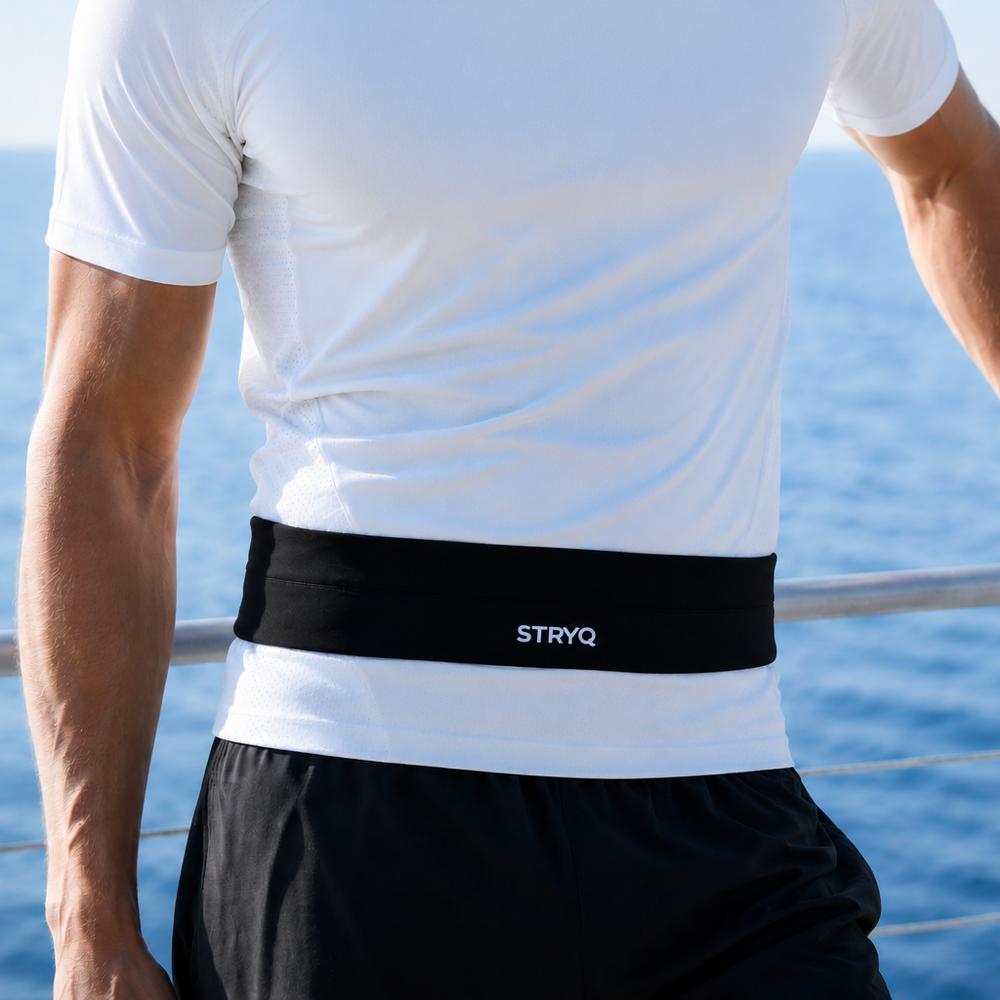
Running belts still make sense for plenty of runners. They are compact, simple and ideal when you want just enough storage for the basics. But once you add hydration, multiple gels, a larger phone or an extra layer, a belt can start to feel overloaded.
That is where a vest pulls ahead. Weight is spread across the upper body rather than concentrated at the waist. Storage is easier to organise. Access is often better. For longer training runs, this usually means less fiddling and fewer compromises.
At STRYQ, that same principle sits behind every good accessory choice. Carry only what helps. Keep it secure. Remove distraction.
How to know if you have found the right one
The right vest should feel predictable. It should not move differently depending on whether your phone is in the left pocket or the right. It should not need constant tightening mid-run. It should let you reach fuel easily and carry hydration without making your stride feel restricted.
You should also be honest about your usual runs. If you mostly run 5K to 10K and only occasionally go longer, a very large vest may spend most of its life half empty. If you are regularly marathon training or heading onto trails, buying too small can be just as annoying.
The sweet spot is a vest that covers your real use most of the time. Not your fantasy ultra. Not the single hottest day of the year. The runs you actually do, week after week.
A good lightweight running vest with pockets does not need to shout about itself. It just needs to carry what matters, stay comfortable when you pick up the pace, and leave you free to get on with the run. If your gear disappears into the background, you have chosen well.