A phone is one of the few things most runners will not leave behind. It holds your route, music, emergency contact details, payment card and, for plenty of us, the proof that the run happened. The problem is finding running phone storage solutions that do not bounce, rub, sag or make a simple easy run feel awkward.
The right option depends on your phone size, the distance you run and what else you need to carry. A runner heading out for a 5K with a key has different needs from someone tackling a wet winter long run with gels, soft flasks and a spare layer. Start with the problem you want to solve, rather than choosing the biggest pocket available.
Why phone storage can make or break a run
A phone that moves changes the feel of your stride. It can pull at shorts, knock against your leg or force you to keep adjusting your kit. That distraction adds up, particularly on longer runs when you are already managing fatigue, fuel and pace.
Security matters too. A loose phone can work its way out of a shallow pocket when you pick up speed, bend to tie a lace or step off a kerb. In rain, an exposed phone may be harder to use just when you need directions or need to call someone.
Good storage keeps the load close to your body and spreads pressure across a wider area. It should be easy to reach without stopping, but secure enough that you forget it is there. No bounce. No bulk.
Running phone storage solutions compared
Running belts for most everyday runs
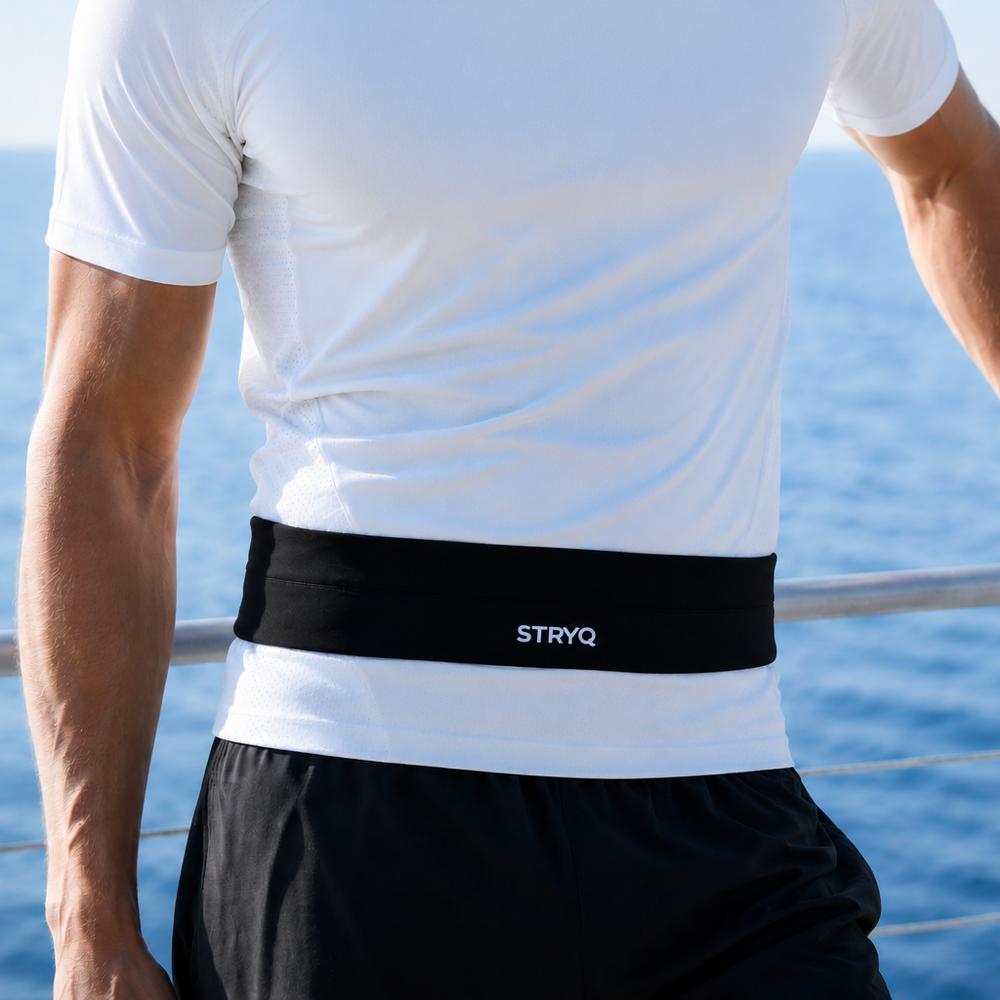
For many runners, a running belt is the most practical place to start. It sits around the waist, close to your centre of mass, which helps reduce movement compared with carrying a phone in a hand or loose short pocket.
A well-fitted belt is useful for parkrun, commuting runs, 10Ks and half marathon training. It gives you room for a phone, keys and perhaps a gel or two without needing to change your clothing. Look for a secure zip or a properly enclosed pocket, plus an adjustable fit that can be tightened over a thin top or a winter layer.
The trade-off is capacity. A slim belt is ideal when you only need essentials, but it will not replace a vest for long runs with water, several gels and extra layers. Fit is also crucial. If a belt is loose at the start, it will only move more once you settle into your pace.
A practical check is to load it as you would for a run, then jog up and down stairs. If the phone shifts or the belt rides up, adjust it or try a different size before taking it out for a long session.
Shorts and tights pockets for short, simple runs
Many running shorts and tights now include a phone pocket on the thigh, waistband or lower back. These can work well for a short run, especially if the pocket is snug and the fabric has enough structure to hold the phone firmly.
A thigh pocket gives quick access and can feel stable with a lighter phone. However, larger phones may pull the fabric down or move with each stride. Sweat can also become an issue when the phone sits directly against your body for an hour or more.
Waistband pockets are usually better for keys, cards and one gel than a modern large-screen phone. A rear pocket can be secure, but reaching it is less convenient and the phone may press into your lower back if you wear a hydration pack.
Pockets are a good answer when your kit already has the right one. They are less reliable when you have several pairs of shorts with different fits, or when you need to carry more than the bare minimum.
Armbands for runners who want easy screen access
An armband keeps your phone visible and close at hand. It can suit treadmill runs, gym sessions and runners who regularly change music, check workouts or use their screen for navigation.
The downside is balance and comfort. A larger phone on one arm can feel noticeable, particularly over longer distances. The band may also slip on sweaty skin, while a plastic screen cover can make the phone harder to operate in rain.
Armbands are not a poor choice, but they are more specialised than a belt. If you want your phone mainly for safety and occasional tracking, carrying it at the waist is often more comfortable. If you need frequent screen access, an armband can still make sense for shorter runs.
Hydration vests for long runs and trail days
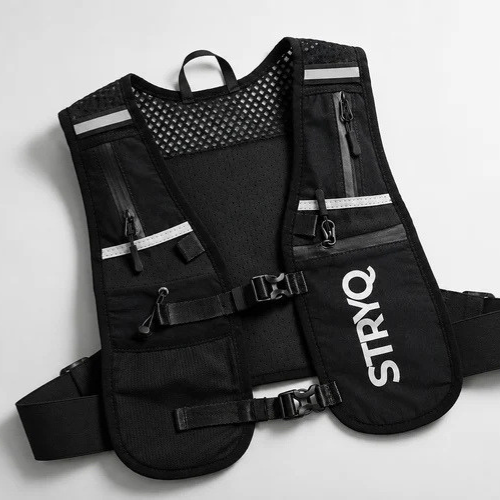
A hydration vest is built for runners who need to carry more. It is the sensible option for marathon training, trail running, ultras, hot-weather sessions and any route where you need water, nutrition and extra kit.
Most vests include front or side pockets that can hold a phone securely. A front pocket makes it easy to check a map, take a photo or use your phone without removing the vest. It also keeps the weight distributed across your torso rather than concentrated at your waist.
The trade-off is that a vest is more kit than you need for a local 5K. It can also feel too warm in mild weather if you only carry a phone and key. Choose it because you need the capacity and hydration, not because it has the largest pocket.
For longer outings, separate the phone from wet items where possible. A phone placed beside a leaking gel, damp tissue or sweating soft flask is not ideal. A water-resistant pocket or a simple protective sleeve offers extra reassurance in British weather.
How to choose the right storage for your run
Think about three things: distance, conditions and access. Your normal run is the best place to begin. If you run for 30 to 60 minutes near home, a slim belt or secure clothing pocket is usually enough. If your route takes you further out, in the dark or onto trails, you may need room for more safety kit and fuel.
Your phone itself matters. Check the pocket dimensions rather than assuming a case-free phone will fit once a protective case is on. The larger the phone, the more important a close, stable fit becomes. A pocket that looks generous can still bounce if it does not hold the phone against the body.
Also consider what happens after the first mile. A belt that feels comfortable over a T-shirt may need adjusting when worn over a jacket. A vest that is stable with two full soft flasks will fit differently as you drink. Test your intended setup with the same layers, fuel and water you will use on race day.
Small details that improve comfort
The best carrier is only part of the setup. Place the phone screen facing your body if the pocket allows it. This can reduce rain exposure and prevent accidental button presses. If you use face recognition, remember that a hat, sunglasses and low light may make it less useful while running.
Keep sharp items separate. Keys can scratch a screen or dig into your hip, so use a dedicated key clip or pocket where available. Avoid overfilling one compartment with a phone, keys, gels and a card. Even if everything fits, it may become a hard lump that bounces.
Before a race, turn on the settings you need. Download your playlist or route, check battery level and enable emergency contacts if your phone supports them. Carrying a phone is most useful when it is charged, accessible and protected from the weather.
STRYQ running belts and hydration vests are designed around this real-world need: keeping essentials stable so your attention stays on the road, trail or next mile.
A quick fit check before you head out
Use this simple test whenever you try new running phone storage:
- Put your phone in the pocket with its usual case fitted.
- Add the keys, gels or card you genuinely plan to carry.
- Jog, turn sharply and do a few short strides.
- Check for bounce, rubbing, pressure points and any sign the pocket opens.
- Repeat the test in the layers you wear for that season.
A phone should give you confidence on a run, not become another piece of kit to manage. Choose the smallest, most stable storage option that fits what your session actually requires, then test it properly before relying on it for a long run or race. When it disappears from your attention after the first few minutes, you have found the right setup.