A loose key in a shorts pocket can turn a relaxed 5K into an irritating jangle. Worse, it can bounce against your thigh, rub through lightweight fabric or work its way out when you pick up the pace. Learning how to carry keys running is mostly about matching the storage method to the key, the distance and what else you need to take with you.
The best solution is usually the simplest one: carry the minimum, keep it close to your body and make sure it cannot move. No bounce. No bulk. Just one less thing to think about when you are trying to settle into your stride.
Carry the smallest key you can
Before choosing a pocket, look at what you are carrying. Many runners do not need a full bunch of house, office and car keys for a local run. A single front-door key is lighter, quieter and far easier to secure.
If you drive to a route, check whether your car key has a removable mechanical key or whether you can safely lock the fob in the vehicle using its intended keyless-entry method. This varies by car, so do not assume it will work. For runs from home, one house key is usually enough.
Avoid attaching keys to a large metal ring if you can. The ring is often what creates the noise and movement. A small silicone key cover can reduce rattling, while a slim key organiser keeps sharp edges away from fabric and skin. These are useful extras, but they do not replace secure storage.
How to carry keys running: choose the right place
There is no single best place for every runner. The right option depends on whether you are doing a quick parkrun, commuting on foot, training for a marathon or heading out for several hours with nutrition and water.
A zipped pocket for short runs
A zipped shorts, leggings or jacket pocket is a good answer for a short run when you only have one flat key. Put the key in before you leave, zip the pocket fully and check that it sits against your body rather than hanging away from it.
The drawback is that many running pockets are too shallow or positioned on the side of the leg. A key can still knock against your thigh, particularly in loose shorts. A rear waistband pocket is normally more stable than a side pocket, provided it is snug and the zip does not press into your lower back.
A jacket pocket is fine for an easy winter run, but it is less reliable at faster paces. The key can swing with the jacket, and you may notice the weight more than expected. Use it only when the pocket closes securely and the jacket fits close enough to limit movement.
A running belt for the most reliable everyday option
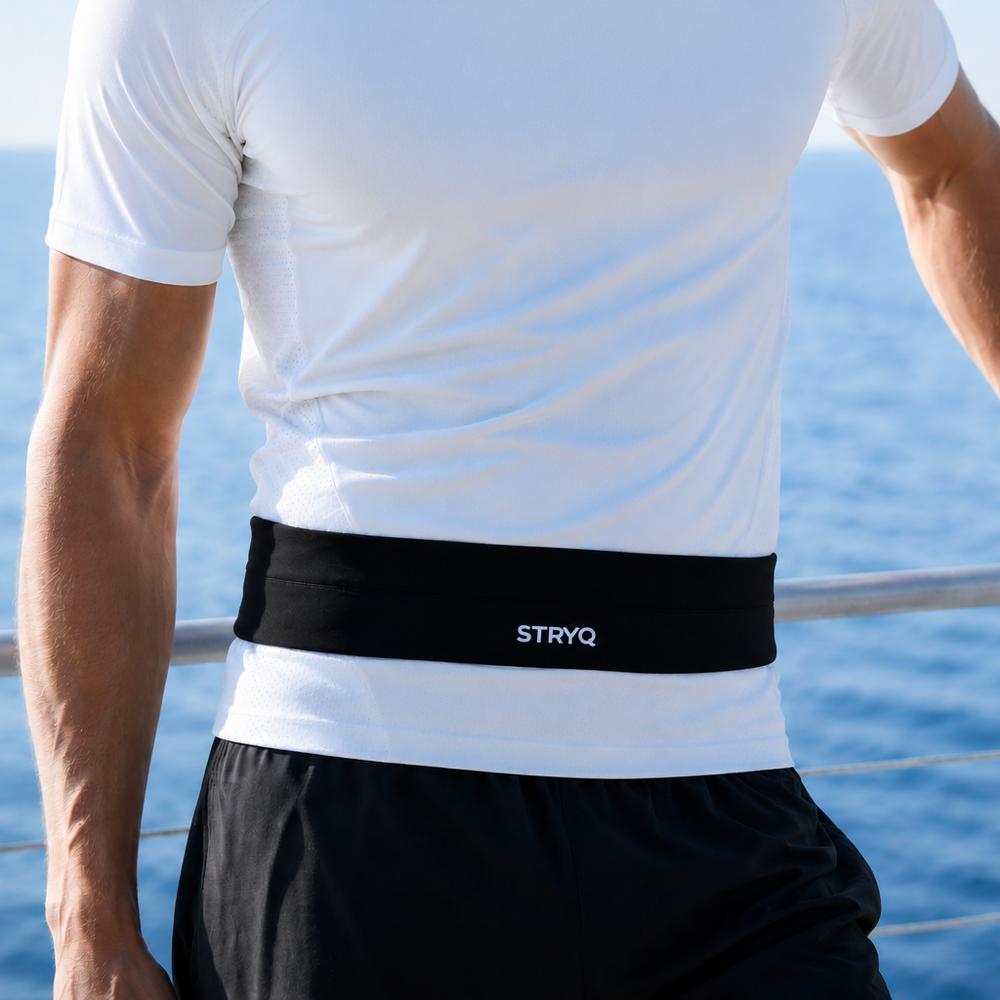
For most runners, a close-fitting running belt is the easiest way to carry a key without noticing it. Place the key in a secure compartment, ideally between soft items such as a phone, gel or folded tissue, then position the belt around the waist or slightly lower on the hips. The correct position is the one that stays put when you run.
A belt works especially well when you carry more than a key. Your phone, inhaler, ID, bank card and gels can all sit in one place rather than being spread across pockets. The key point is fit. A belt that is too loose will bounce regardless of how lightweight it is. One that is overfilled can ride up or become uncomfortable around the waist.
For a 5K or parkrun, keep the load small. For longer training runs, distribute items evenly and keep hard objects away from your spine. If your belt has no separate key clip or small pocket, wrap the key in a soft item so it does not scratch your phone or dig into you.
A hydration vest for long runs and trails
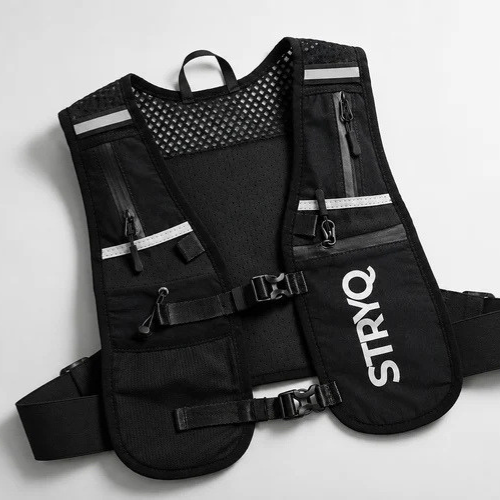
A hydration vest makes sense when the key is part of a bigger kit list. On long runs, trail routes and warm-weather sessions, you may also need soft flasks, fuel, a phone, an emergency layer and basic safety essentials. A vest keeps this weight high and close to the torso, where it is less likely to bounce.
Use a small zipped chest or side pocket for your key, rather than dropping it into a large rear compartment. You want to know exactly where it is, even when you are tired or wearing gloves. Put it somewhere it will not rub against a soft flask or work loose when you take a jacket in and out.
A vest is excessive for a 20-minute loop around the block if a secure pocket will do. But for marathon training and off-road runs, it can be the most comfortable choice because it carries all your essentials as one stable load.
A wrist pocket or armband for minimal kit
A wrist pocket or running armband can hold a single key, but it is more of a niche option. It can work for short runs when you do not want anything around your waist. It also keeps your key separate from your phone.
The trade-off is that weight on the wrist or upper arm can feel distracting. Sweat can also make these options less pleasant in warmer conditions. Choose one with a secure closure and use it for a flat key only. A bulky fob is likely to move around.
Keep keys from bouncing, rubbing or making noise
Storage location matters, but packing matters too. A key carried in the right place can still become annoying if it is loose inside a large pocket.
First, secure it. Use a zip, a key loop or a compartment that closes properly. Do not rely on an open pocket, even for a short run. Fabric stretches, phones shift and a key that feels safe at the front door can be gone after a few fast downhill strides.
Second, stop hard objects hitting each other. Keep keys away from your phone screen and avoid letting them sit against coins, metal cards or other keys. A small fabric pouch, folded buff or even the soft lining of a dedicated belt pocket can prevent both noise and damage.
Third, test your set-up before a longer run. Jog up and down the road, try a few strides and move through a turn. If you can hear the key or feel it knocking, adjust it before you go. Minor irritation at one mile becomes a real distraction by mile 10.
Think about access and safety too
The safest place for a key is not always the easiest place to reach. On most runs, that is fine. You should not need to access it until you are home or back at the car. Prioritise security and comfort over quick access.
For unfamiliar routes, evening runs or long solo sessions, carry some form of identification alongside your key. A phone is useful, but it can run out of battery or become damaged. A simple emergency contact card or ID tag adds very little weight and can be helpful if something goes wrong.
If you share a house, agree on a backup plan before leaving. That might mean another person is home, a spare key is available or you have a safe way to contact someone. Hiding a key outside can create a security problem, so it is rarely the best running solution.
Match your set-up to the run
For a quick run, a single key in a zipped waistband pocket may be all you need. For regular road training, a properly fitted running belt is often the most practical option. For long distances, trail routes or runs that need hydration and fuel, use a vest and keep the key in a small secure pocket.
Your best set-up should disappear once you start moving. If you are constantly checking a pocket, tugging at a belt or listening to keys jangle, something needs changing. Choose the smallest key, carry it close, and give yourself the freedom to focus on the miles ahead.