You do not notice bad kit on the first easy mile. You notice it when your handheld starts cramping your fingers, your pocket is bouncing against your hip, or you have nowhere sensible to put a mobile phone, keys, gels and a jacket. That is usually the point when runners ask why use a running vest at all, and whether it is worth adding one to their kit.
For plenty of runners, the answer is yes. A running vest solves a simple problem. It lets you carry what you need without turning your run into a juggling act. The best ones spread weight across your torso, keep essentials close to hand and make longer sessions feel more manageable.
That said, a vest is not always the right answer. If you are heading out for a short 5K with one key and nothing else, it can be more kit than you need. The real value comes when distance, weather, fuelling or route choice start demanding a bit more from your setup.
Why use a running vest instead of pockets?
Because pockets stop being useful quite quickly once the load gets real. A mobile phone in shorts can slap against your leg. A jacket tied around your waist gets annoying. A bottle in one hand changes your arm swing more than most runners realise.
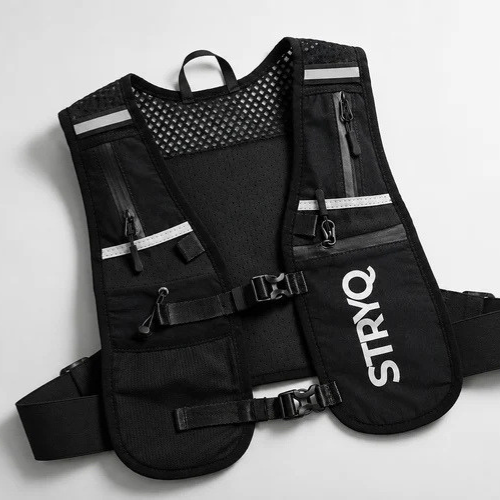
A running vest gives every item a better place. Water sits higher and more evenly. Gels are easier to reach. Your mobile phone is secure rather than shifting with every stride. If you are carrying layers, gloves or a hat, a vest keeps them packed down instead of awkwardly stuffed into pockets.
There is also a comfort point here. Good running storage is not just about capacity. It is about stability. If the weight moves, you feel it. If the fit is right, you forget it is there.
The biggest reason runners switch to a vest
Hydration is usually the tipping point. Once your run gets long enough that water matters, carrying it becomes a problem that needs solving properly.
For some runners, that starts at around an hour. For others, it is only on warm days or when running somewhere with no easy refill options. Either way, a vest makes hydration far easier than relying on a handheld bottle or hoping there is a shop on route.
Most running vests carry soft flasks close to the chest, which keeps the load balanced and easy to access. That matters more than it sounds. If drinking is awkward, many runners simply put it off. When fluids are right in front of you, you are more likely to sip regularly and stay ahead of thirst.
This is especially useful during marathon training, trail runs and summer long runs. You can also carry electrolytes or extra fluid without stuffing bottles into random places and hoping for the best.
A vest helps with fuelling too
Hydration and fuelling usually go together. If you are running long enough to need gels, chews or bars, a vest gives you organised storage that you can reach while moving.
That sounds small, but it changes the feel of a run. You do not need to stop, unzip something awkwardly or fish around in sweaty pockets. You know where everything is, and that makes it easier to stick to your fuelling plan.
For newer runners building towards a half marathon or marathon, that can remove a surprising amount of stress. It is one less thing to think about when the miles start adding up.
Comfort matters more than capacity
A common mistake is thinking a running vest is only for carrying lots of kit. In practice, the best reason to use one is often comfort rather than volume.
A well-fitted vest spreads weight across your chest and upper back instead of concentrating it in one hand, one waistband or one pocket. That even distribution reduces bounce and makes the whole load feel lighter.
It can also stop the little irritations that build over time. Shorts sagging from a heavy mobile phone. A waistband digging in. A bottle rubbing your palm. None of these problems seem major at the start, but over 10, 15 or 20 miles they can become the main thing you think about.
The trade-off is fit. A poor vest is worse than no vest. If it rides up, rubs under the arms or shifts around, it will be distracting. That is why adjustability, secure chest straps and lightweight materials matter so much. No bounce. No bulk. That is the standard worth aiming for.
When a running vest makes the most sense
You do not need to be training for an ultra to benefit from a vest. It suits more runners than people think.
If you are following a Couch to 5K plan, you probably do not need one straight away. But once runs start getting longer, or you want to carry water, a mobile phone and a layer without overloading your pockets, a vest becomes useful.
For half marathon and marathon training, it often becomes part of the routine. Long runs need hydration, fuel and sometimes spare kit. A vest makes those sessions simpler and more consistent.
It is also ideal for trail running, where routes are less predictable and carrying extra water, nutrition and a waterproof can be sensible even on moderate distances. In colder months, when gloves, buffs and jackets get added to the mix, the practical benefit is obvious.
Even road runners can get a lot from a vest if they prefer early starts, rural routes or unsupported long runs. Not every route passes a water fountain or corner shop.
Race day is not the only use case
Some runners think of a vest as race kit. In reality, it is often more valuable in training. That is where you spend hours on your feet, test fuelling, deal with changing weather and run routes with no support.
If your vest helps you train better, race day tends to take care of itself. And depending on the event rules and aid station frequency, you may not even want to wear one in a race. That is fine. A vest does not need to be worn every run to earn its place.
When a belt may be better than a vest
This is where honesty matters. A running vest is useful, but it is not the answer to every carrying problem.
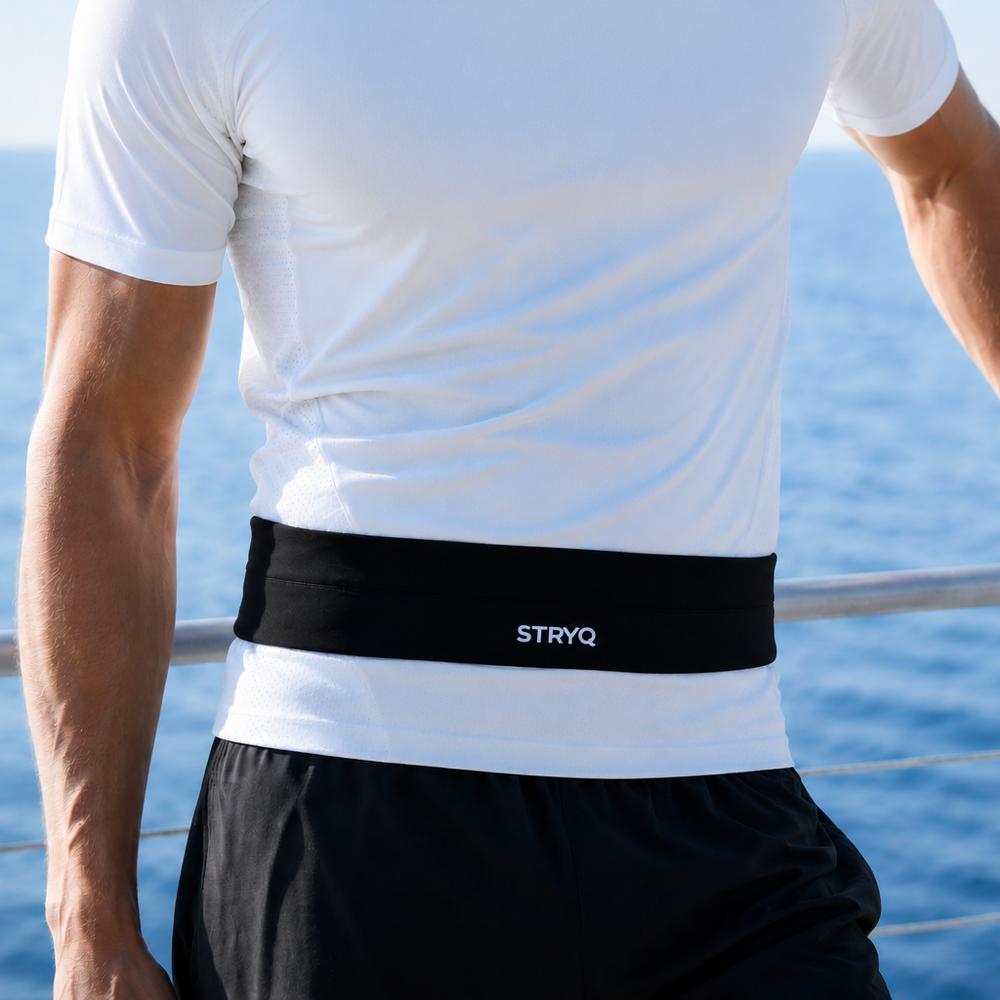
If you are doing short runs and only need a mobile phone, key and maybe one gel, a running belt is often the cleaner option. It is lighter, less warm and quicker to put on. For many runners, a belt is the everyday solution and a vest comes out when distance or kit demands increase.
That is not a weakness of the vest. It is just about matching the gear to the run. Too much storage can be as annoying as too little. The best setup is the one that feels invisible once you start moving.
This is also why many experienced runners own both. A belt covers short and medium sessions. A vest steps in when hydration, layers or extra nutrition become necessary.
Why use a running vest in British weather?
Because British conditions rarely stay simple for long. A run that starts cool can warm up quickly. A dry morning can turn drizzly. Wind, showers and temperature changes all affect what you need to carry.
A vest gives you options without forcing you to commit to wearing every layer from start to finish. You can stash gloves, a lightweight waterproof or a spare buff and take them on and off as needed. That is far better than tying things around your waist or trying to squeeze them into shorts pockets.
For runners training through autumn and winter, that flexibility is one of the strongest arguments for using a vest. It helps you adapt without making the run feel overcomplicated.
The real question is not whether you need one
It is whether your current setup is getting in the way. If you are distracted by bounce, struggling to carry water, skipping fuel because it is awkward to access, or leaving useful kit behind because you have nowhere to put it, a running vest solves real problems.
If none of that sounds familiar, you may not need one yet. And that is fine. Good running kit should remove friction, not create it.
For runners who are starting to go further, train more consistently or want a more comfortable way to carry the basics, a vest is one of the simplest upgrades you can make. Not because it looks technical. Because it makes running feel easier, calmer and better organised.
Choose one when your runs ask more of you than your pockets can handle. Then you can focus on pace, distance and how your legs feel, rather than where on earth to put your stuff.