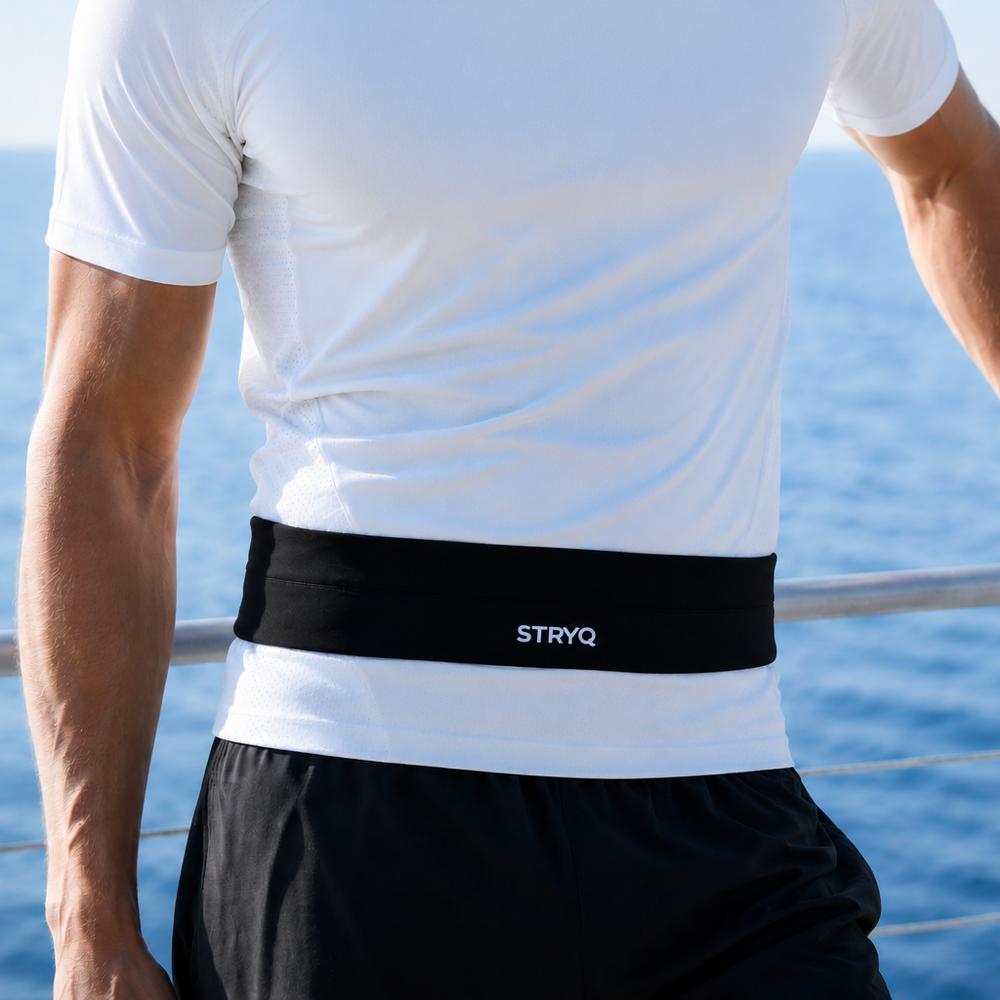
A running belt that is too loose will bounce before you reach the end of your road. One that is too tight can dig in, ride up and make it harder to breathe comfortably. This running belt size guide explains how to find the fit that stays put through easy runs, intervals and race day.
The right size is not simply the same as your trouser size. Running belts sit around the waist or hips, stretch differently between brands and need to remain secure once they are loaded with your mobile phone, keys, gels or a soft flask. A quick measurement and an honest check of what you carry will save plenty of frustrating runs.
Why running belt size matters
A good running belt should feel secure without needing constant adjustment. When it fits properly, the belt moves with your body rather than against it. Your mobile phone stays stable, gels are easy to reach and you can focus on your pace instead of pulling the belt down every few minutes.
Getting the size wrong usually causes one of three problems. A loose belt bounces, especially when a heavier mobile phone or filled flask is inside. An overly tight belt can create pressure around the stomach, which is particularly uncomfortable after eating or drinking. A belt that sits in the wrong position may creep upwards towards your ribs or roll at the edges.
Fit also changes over a run. You may start a chilly morning wearing a base layer, then remove it as you warm up. You may carry a full soft flask at the start of a long run and an empty one later on. The best size gives you enough security for a full load without feeling restrictive when conditions change.
Running belt size guide: measure where you run
Take a flexible tape measure and measure the part of your body where you actually want the belt to sit. For most runners, this is either the natural waist, just above the hips, or the low waist across the top of the hips. Do not rely on a jeans measurement. Waistbands on everyday clothes can sit much higher or lower than a running belt.
Stand in relaxed running kit and breathe normally. Wrap the tape flat around your body, keeping it level all the way round. It should touch your skin or clothing without being pulled tight. Write the measurement down in centimetres, then check it against the sizing chart for the specific belt you are considering.
If you are between sizes, the right choice depends on the belt design and your usual kit. A highly stretchy, tube-style belt often works best in the smaller size if you want to carry a mobile phone and fuel, as this helps reduce movement. Choose the larger size if you prefer a less close fit, regularly wear thicker layers, or want the belt to sit lower on the hips.
Adjustable belts need the same care. Start with the strap comfortably snug, rather than cinched tight. A buckle is there to fine-tune the fit, not to compensate for a belt that is far too large or small.
Measure in the kit you normally wear
A belt that feels perfect over a thin running top may feel noticeably tighter over a winter base layer and jacket. If most of your runs are in cool weather, measure while wearing the layer closest to your skin. If you run all year, look for a belt with enough stretch or adjustment to cover both situations.
This is also worth considering if you are returning to running, training for a goal or your body size is changing. A secure fit matters more than the number printed on the label. Recheck your measurement rather than trying to make an old belt work when it clearly no longer does.
Choose the fit for what you carry
Your typical running load affects belt size more than many runners expect. Carrying one key and a card is very different from carrying a large mobile phone, several gels, a head torch and a 500ml soft flask.
For short runs, a close-fitting belt with enough room for essentials is usually the simplest option. Keep the contents flat and spread them out rather than putting everything in one pocket. This stops a heavy item pulling the belt to one side.
For long runs and races, think about how the weight changes. A belt loaded with nutrition at the start should still sit securely once you have eaten the gels. If you carry hydration, use the belt in the exact position you plan to run in, then test it with the flask full. A belt can feel fine empty but become unstable once weight is added.
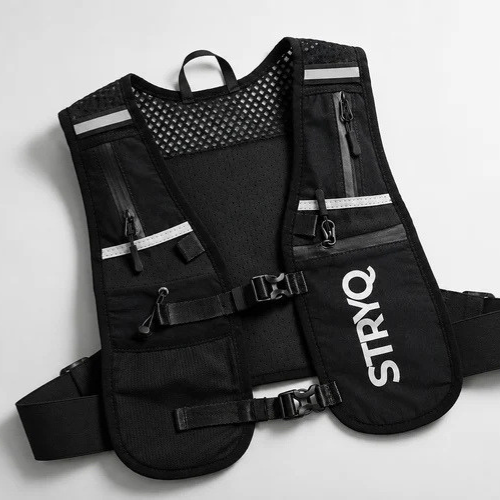
If your main need is hydration and you carry more than one flask, a hydration vest may be more comfortable than forcing extra weight into a belt. There is no prize for carrying everything in one place. The right setup is the one that feels balanced and does not distract you from your run.
How a running belt should feel
A properly fitted belt is snug, smooth and easy to forget about. It should not sag when you put your mobile phone inside, nor should it leave deep marks after a normal run. You should be able to take a full breath and comfortably move through your normal stride.
Do a simple check before heading out. Jog on the spot, lift each knee and twist gently through your torso. If the belt shifts straight away, adjust it or reconsider the size. Then run for ten minutes with your usual essentials. The pavement is the real test, not the mirror.
It is normal to make a small adjustment after the first few minutes, particularly with an adjustable strap. It is not normal to keep tightening, pulling or rotating the belt throughout the run. Repeated movement is a clear sign the fit, loading or positioning needs attention.
Where should a running belt sit?
Most runners find a belt is most stable around the low waist or upper hips. This area provides a natural shelf that helps prevent downward movement. Others prefer it slightly higher, especially if they have a shorter torso or are using a slimmer belt for a mobile phone and keys.
Try both positions during an easy run. Avoid placing a heavy load directly at the front if it feels as though it presses into your stomach. Moving the mobile phone towards the side or back may improve comfort, provided it remains secure and accessible. The best position is individual, but it should never interfere with your arm swing or breathing.
Common sizing mistakes and easy fixes
The most common mistake is choosing a belt based on the size you hope to be rather than the measurement you have now. Running gear needs to work today, including on a day when you have eaten breakfast, had a drink and are wearing your usual layers.
Another mistake is overfilling one pocket. Even the correct size can bounce if all the weight sits at the front. Spread gels, keys and other small items around the belt. Put sharp or hard items, such as keys, in a separate secure pocket so they do not rub against your mobile phone or skin.
Runners also sometimes wear a belt too high because it feels secure when standing still. Once you start moving, this can cause it to rise further and bunch around the waist. Try lowering it slightly and ensuring the fabric lies flat before you set off.
Finally, do not judge fit only by a slow walk around the house. Run outside with the load you will use on race day. Include a few faster efforts, downhill sections if possible, and enough time for sweat to build. Friction and bounce often appear once your form and clothing change.
Test your belt before race day
Never make race day the first proper test of a new belt. Wear it on several training runs with the same mobile phone, fuel and hydration plan you intend to use. Practise taking gels out without breaking stride and check whether pockets stay easy to reach when you are tired.
For a marathon or longer event, test the belt on at least one long run. You will learn whether it stays comfortable as your posture changes, whether the waistband rubs when wet, and whether your chosen load is realistic. Small changes, such as moving a gel packet or selecting a different pocket for your mobile phone, can make a big difference over several hours.
STRYQ running accessories are designed around the problems that show up once you are actually moving: bounce, bulk and storage that gets in the way. But any belt performs best when the size, position and load suit the runner wearing it.
A belt should become the quietest part of your kit. Measure carefully, test it with your real running essentials, and make adjustments on an ordinary training run. When it stays put without a second thought, you have found the right fit.