A marathon can expose a small kit problem faster than almost any other run. A waistband that feels fine at mile three can rub by mile 18. A gel that sits well on a short run can turn your stomach late in the race. The most common marathon kit mistakes are rarely dramatic. They are small compromises that become hard to ignore after several hours on your feet.
The good news is that most are avoidable. Your race-day kit does not need to be complicated or expensive. It needs to fit well, carry what you need and have enough training miles behind it to feel unremarkable.
1. Saving new kit for race day
This is the classic mistake for a reason. New shoes get the attention, but new socks, shorts, belts, vests and hydration flasks can all create problems. A different seam, fabric or adjustment system can change how your kit feels once you are warm, sweaty and moving for a long time.
Wear every item you plan to race in on at least one long run. Ideally, use the full set together. That includes the layers you may start in, your chosen socks, your fuel, your method of carrying it and any anti-chafing product.
There is a sensible exception. If forecast conditions change sharply close to race day, you may need a lighter or warmer layer than planned. Keep that change simple. Do not overhaul your whole set-up because the weather app says rain.
2. Choosing storage that bounces or rubs
Pockets are useful until they are overloaded. A mobile phone pulling at loose shorts, gels knocking about in a jacket pocket or keys bouncing against your hip can become a constant distraction. More importantly, movement creates friction. Friction over 26.2 miles can mean sore skin, chafing and a lot of wasted mental energy.
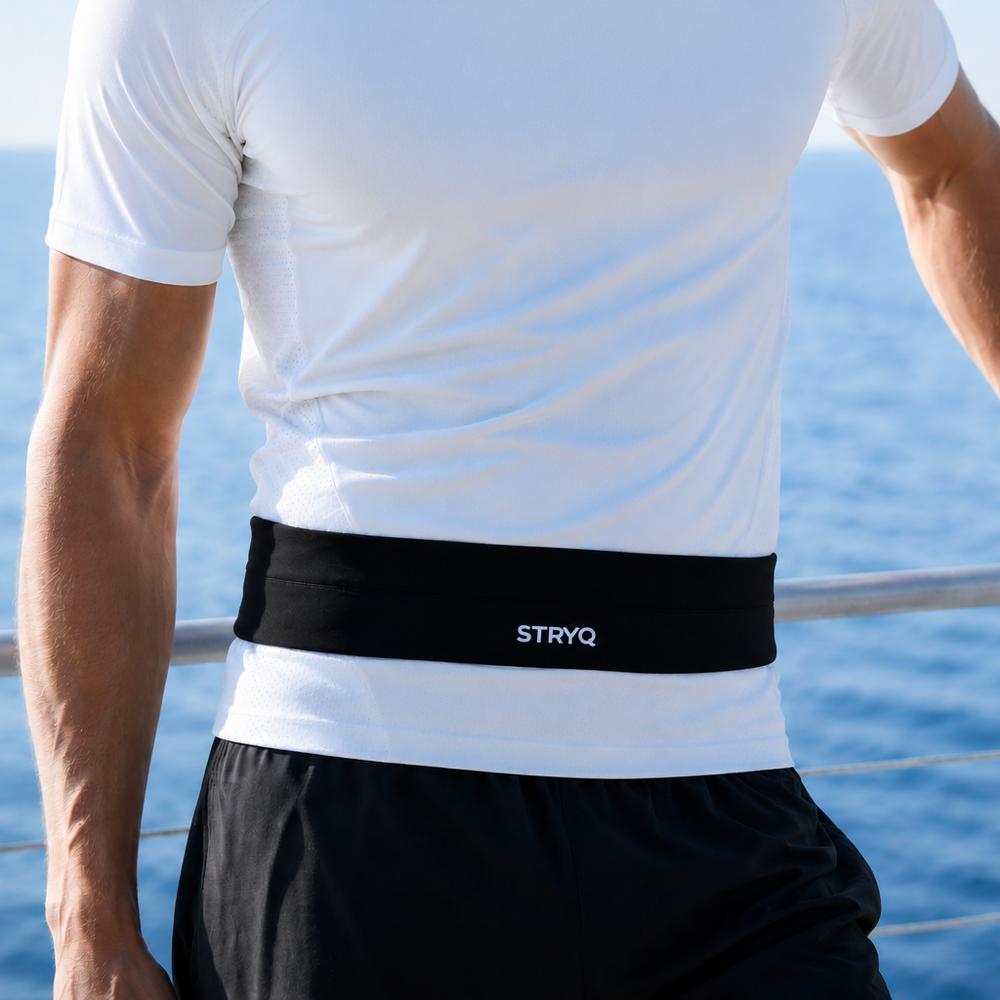
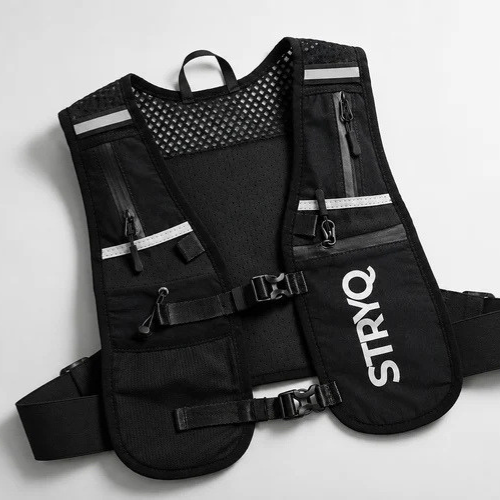
A running belt or hydration vest should sit close to the body without restricting your breathing. Load it as you will on race day, then test it at an easy pace and at marathon effort. If it shifts on a hill, feels unstable when you pick up the pace or needs repeated adjustment, it is not ready.
Fit matters more than capacity for most road marathons. Carry the essentials you will actually use: mobile phone, keys or card, fuel, perhaps a soft flask and any medication. No bounce. No bulk.
3. Wearing the wrong socks
Socks are easy to treat as an afterthought. They should not be. Blisters, hot spots and soggy feet can change your stride and make a manageable race feel unnecessarily difficult.
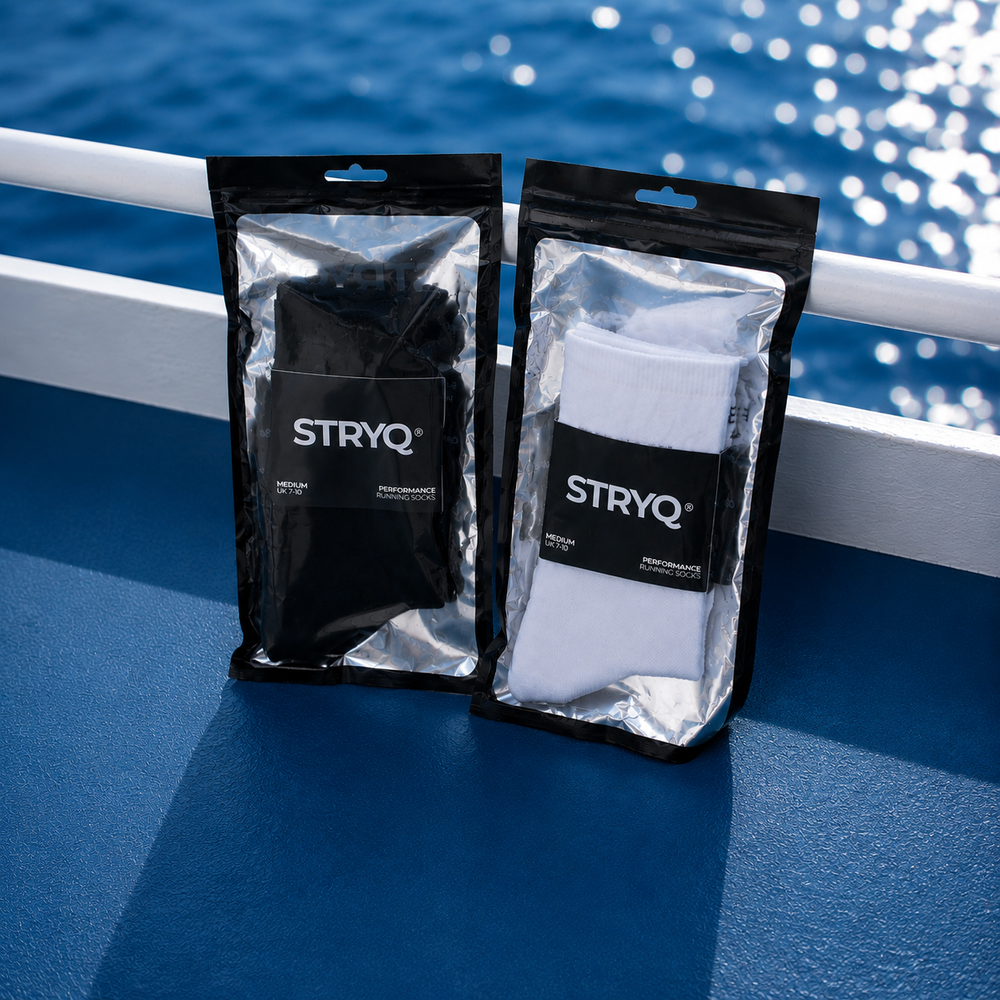
Avoid cotton for marathon day. Once it is wet, it tends to stay wet and can increase friction. Choose running socks that have worked during long training runs, with a secure fit around the heel and no bunching at the toes. The thickness is personal. Some runners want a thin, close feel; others prefer a little more cushioning.
If your feet often blister, do not assume a thicker sock is the answer. The cause may be shoe fit, lacing, damp feet or a sock that moves inside the shoe. Test one change at a time so you know what has helped.
4. Guessing your hydration needs
Drinking too little can leave you thirsty, headachy and struggling to hold your pace. Drinking far more than you need can cause its own problems, including an uncomfortable sloshing stomach and frequent toilet stops. The answer is not to force down water at every available station without a plan.
Know the race set-up before you travel. Check where water stations are, whether they provide cups or bottles, and whether sports drink is available. Then practise around that pattern in training. If stations are close together, you may be fine carrying very little. If you prefer regular small sips, or you know the provided drink does not suit you, a lightweight soft flask can give you more control.
Your fluid needs change with temperature, pace and how much you sweat. A cool spring marathon and a humid autumn race will not demand the same approach. Start well hydrated, drink to a practised plan and pay attention to thirst rather than chasing a single number that works for someone else.
5. Treating fuelling as an optional extra
A marathon is too long to rely on breakfast and determination. Most runners need carbohydrate during the race, but race-day fuelling only works when your gut has had time to get used to it.
Do not buy a handful of unfamiliar gels at the expo because the packaging looks appealing. Flavour, texture, caffeine and the amount of fluid needed can all affect how they sit. Practise your chosen fuel on long runs, including at least a few runs where you take it at the same frequency you expect to use in the marathon.
Carry enough to cover your plan, even if the event provides gels. Official supplies can run out, be handed out later than expected or simply be different from what you have trained with. Keep gels accessible. A fuel buried under a jacket or squeezed into a tight pocket is far less likely to be taken on schedule.
6. Forgetting chafing points
Chafing is not a toughness test. It is a kit issue that deserves a practical fix. Common trouble spots include underarms, the bra line, inner thighs, waistbands, toes and anywhere a vest or belt edge repeatedly moves against skin.
Use long training runs to identify your personal pressure points. Apply anti-chafing balm before the run, not once irritation has started. Check that labels are removed, seams lie flat and the fit of your kit stays consistent when pockets are full.
Rain makes this more likely, but sweat alone is enough. If you are racing in a vest, practise with it against the same top you will wear on the day. A vest that is comfortable over a winter base layer can feel very different against a lightweight singlet.
7. Overdressing at the start
Standing in a start pen can feel cold, especially during an early UK morning. Once you start running, your body temperature rises quickly. A jacket or long-sleeve layer that feels reassuring before the gun can become something you are tying around your waist by mile four.
Dress for the conditions you expect while running, not while waiting around. Many runners are comfortable in kit that would feel slightly cool at the start. Use an old top or a simple throwaway layer for the wait if needed, but check the event guidance first.
Weather still matters. Wind, rain and very low temperatures can justify an extra layer. The key is to choose something you have tested and can manage easily, rather than carrying a bulky item that affects your stride or storage.
8. Ignoring the small essentials
The little things are easy to miss when you are focused on shoes and pacing. A charged mobile phone, identification, a bank card, travel details, tissues, plasters and any essential medication can make a difficult situation much easier to manage.
You do not need to carry a survival kit. You do need a simple, reliable system. Keep valuables protected from sweat and rain, and make sure the pockets or belt compartments you are relying on can be opened while moving. Put your most-used gels where you can reach them without stopping.
For runners who want a close, stable way to carry these essentials, a well-fitted STRYQ running belt can keep the load secure without filling every pocket.
9. Making changes because of pre-race nerves
The final week can make even experienced runners question everything. You may feel tempted to change shoes, add insoles, wear more layers, take extra caffeine or pack twice as much fuel as usual. Most of the time, this is nerves looking for a job.
Write your kit plan down a few days before the race. Include what you will wear, what you will carry and when you expect to fuel. Pack it early, then leave it alone unless the weather or race instructions genuinely require a change.
A good marathon set-up should almost feel boring. Nothing rubs, nothing bounces and nothing needs your attention. That gives you more space to enjoy the crowds, respond to the hard miles and finish knowing your kit supported the effort rather than adding to it.