Reflective running gear is one of the most important considerations for runners who train in low light conditions. Early mornings, evenings and winter months mean many runs happen when visibility is reduced, increasing risk and discomfort if runners are not easily seen.
Reflective gear is not about style. It is about safety, confidence and peace of mind. This guide explains what reflective running gear is, why it matters, how it works and how to choose the right reflective equipment for your running routine.

What Is Reflective Running Gear
Reflective running gear includes clothing and accessories that contain reflective elements designed to bounce light back towards its source.
When light from car headlights, bikes or street lamps hits reflective material, it returns brightly, making runners far more visible in low light or darkness.
Why Reflective Running Gear Matters
Reduced visibility is one of the biggest safety risks for runners.
Dark clothing can be difficult to see even at short distances. Reflective running gear increases reaction time for drivers and cyclists, reducing the likelihood of accidents.
Beyond safety, reflective gear also increases confidence. Feeling visible allows runners to relax and focus on the run rather than worrying about traffic.
When Reflective Running Gear Is Most Important
Reflective running gear becomes essential during:
- Early morning runs
- Evening or night runs
- Winter months with short daylight hours
- Overcast or foggy conditions
- Urban routes with traffic
Many runners train year round, making reflective gear a practical necessity rather than an optional extra.
How Reflective Material Works
Reflective materials are typically made using micro glass beads or prismatic surfaces embedded into fabric or trims.
These materials reflect light directly back towards the source rather than scattering it. This makes reflective elements appear bright even from a distance.
Types of Reflective Running Gear
Reflective Clothing
Reflective elements are often integrated into jackets, tops, tights and shorts.
Common placements include logos, stripes, piping and panels. These areas move as you run, making you easier to spot.
Reflective Running Accessories
Accessories are one of the most effective ways to add reflectivity without changing your entire outfit.
Items such as belts, vests and armbands place reflective material at driver eye level, improving visibility.
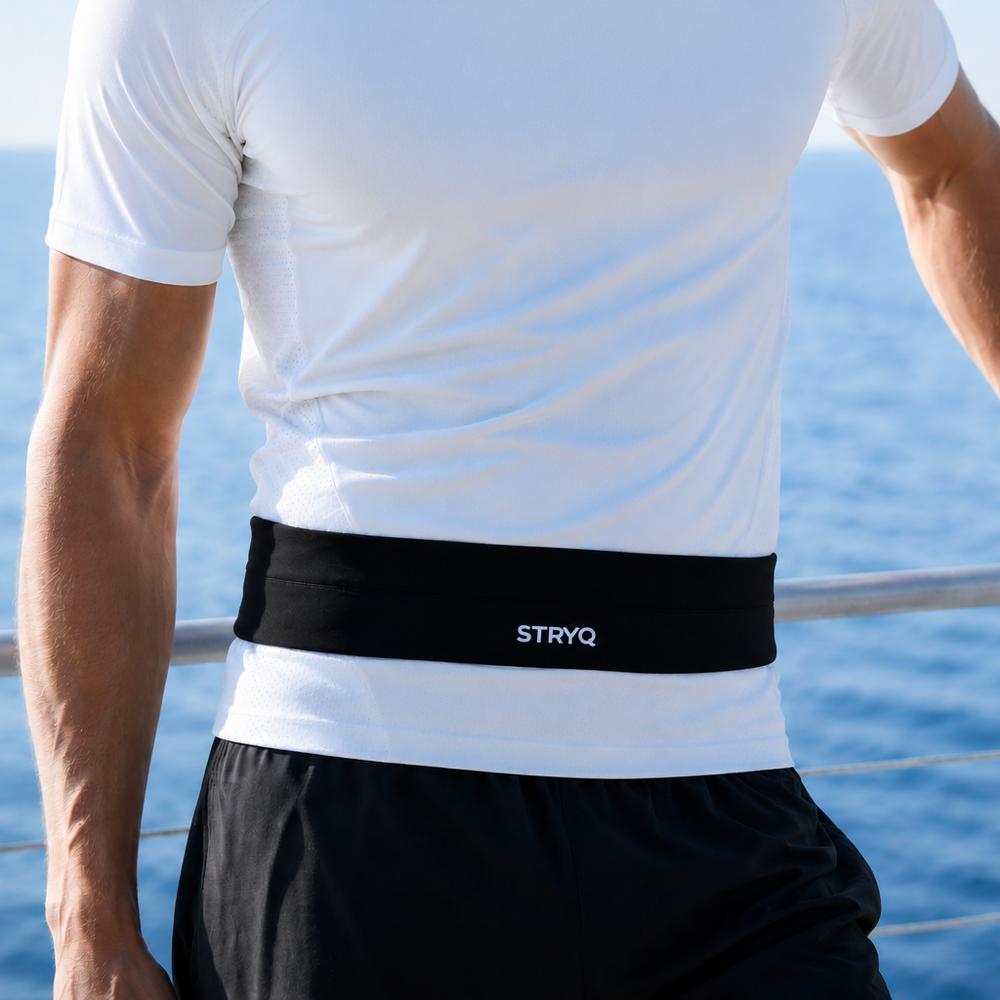
Reflective Running Belts
A reflective running belt is one of the most practical pieces of reflective running gear.
Belts sit around the hips, an area that moves naturally while running. This movement helps reflective elements catch light from different angles.
A running belt allows runners to carry essentials hands free while adding visibility.
For maximum impact in low light, a high visibility running belt combines bright colour with reflective detailing, improving both daytime and nighttime visibility.
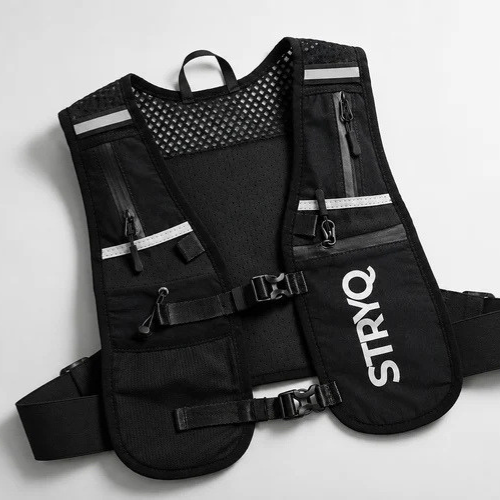
Reflective Running Vests
Reflective running vests provide additional storage and visibility.
They are especially useful for longer runs where runners need to carry water, fuel or extra layers.
A running vest with reflective accents improves safety while maintaining comfort and balance.
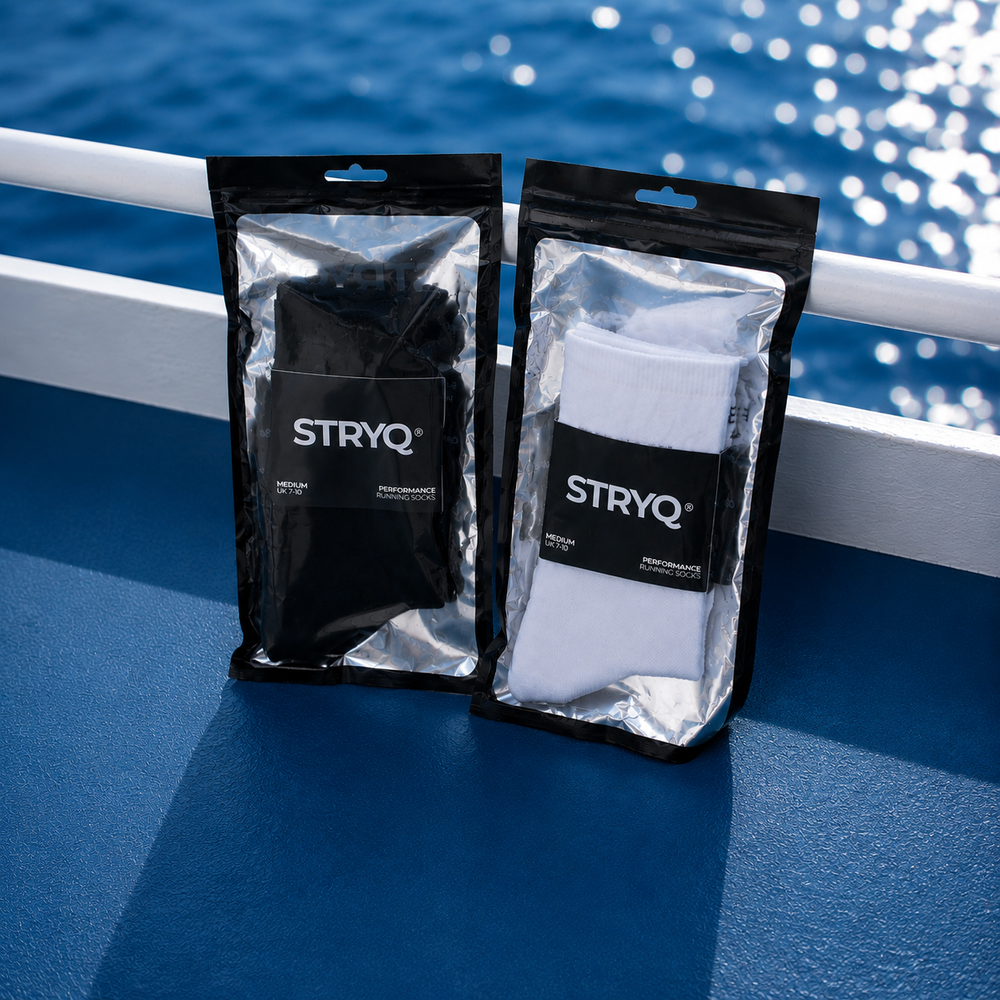
Reflective Running Socks and Foot Visibility
Lower leg movement is one of the first things drivers notice.
Reflective details near the ankles or calves improve recognition that a person is running rather than standing still.
While socks themselves may not always be reflective, pairing them with other visible elements completes the setup. Wearing proper running socks also improves comfort and reduces distraction during low light runs.
Where Reflective Gear Should Be Placed
Effective reflective running gear is not just about how much reflectivity you have, but where it is placed.
- Chest and torso for frontal visibility
- Hips and waist for movement
- Arms and legs for recognition
Multiple points of reflectivity create a clearer visual signal.
Reflective Gear vs Bright Colours
Bright colours and reflective materials serve different purposes.
Bright colours improve visibility in daylight and dusk. Reflective materials work best when light hits them directly in darker conditions.
The most effective reflective running gear combines both.
Reflective Gear for Winter Running
Winter running increases reliance on reflective gear.
Short daylight hours mean many runs happen in darkness. Cold weather also encourages runners to wear darker layers, reducing visibility.
Reflective accessories offer a simple way to stay visible without adding bulk.
How Much Reflective Gear Do You Need
You do not need to cover yourself head to toe in reflective material.
A few well placed reflective items are enough to significantly improve visibility.
A typical setup might include:
- One reflective belt or vest
- Reflective accents on upper body
- Bright or reflective footwear details

Common Mistakes With Reflective Running Gear
- Relying on dark clothing alone
- Assuming street lighting is enough
- Using reflectivity in only one area
- Ignoring visibility on familiar routes
Reflective Gear and Confidence
Feeling visible changes how you run.
Runners who feel safe are more relaxed, more consistent and more likely to stick to their routine, especially through winter.
Who Should Use Reflective Running Gear
Reflective running gear is suitable for:
- Early morning runners
- Evening runners
- Urban runners
- Winter training
- Marathon and long distance training
FAQ
Is reflective running gear really necessary
Yes. It significantly improves visibility and safety in low light conditions.
Is reflective gear better than bright clothing
They work best together. Bright colours help in daylight, reflective materials work in darkness.
Do I need reflective gear if I run on pavements
Yes. Visibility matters even on pavements, especially near crossings and junctions.
What is the best reflective running accessory
Belts and vests are highly effective due to placement and movement.