Marathon running gear plays a major role in how comfortable, confident and prepared you feel on race day. While training builds fitness, the right gear helps remove distractions, manage fatigue and support performance over 26.2 miles.
Marathon gear does not need to be complicated, expensive or excessive. What matters is choosing reliable, tested items that work together and suit your body, conditions and race strategy. This guide breaks down essential marathon running gear, explains why each item matters, and helps you avoid common mistakes.

Why Marathon Running Gear Matters
A marathon places long, repetitive stress on the body. Small discomforts that are manageable on short runs become major issues over several hours.
The purpose of marathon running gear is to:
- Reduce friction and irritation
- Carry fuel and essentials comfortably
- Support hydration
- Improve confidence and focus
Good gear removes problems. Bad gear creates them.
Marathon Running Shoes
Shoes are the most important piece of marathon running gear.
Your marathon shoes should already be well tested in training. Race day is not the time to try something new. Comfort, fit and reliability matter far more than trends.
Key considerations include:
- Enough cushioning for long distances
- Stable platform to manage fatigue
- Room in the toe box for foot swelling
Marathon Running Socks
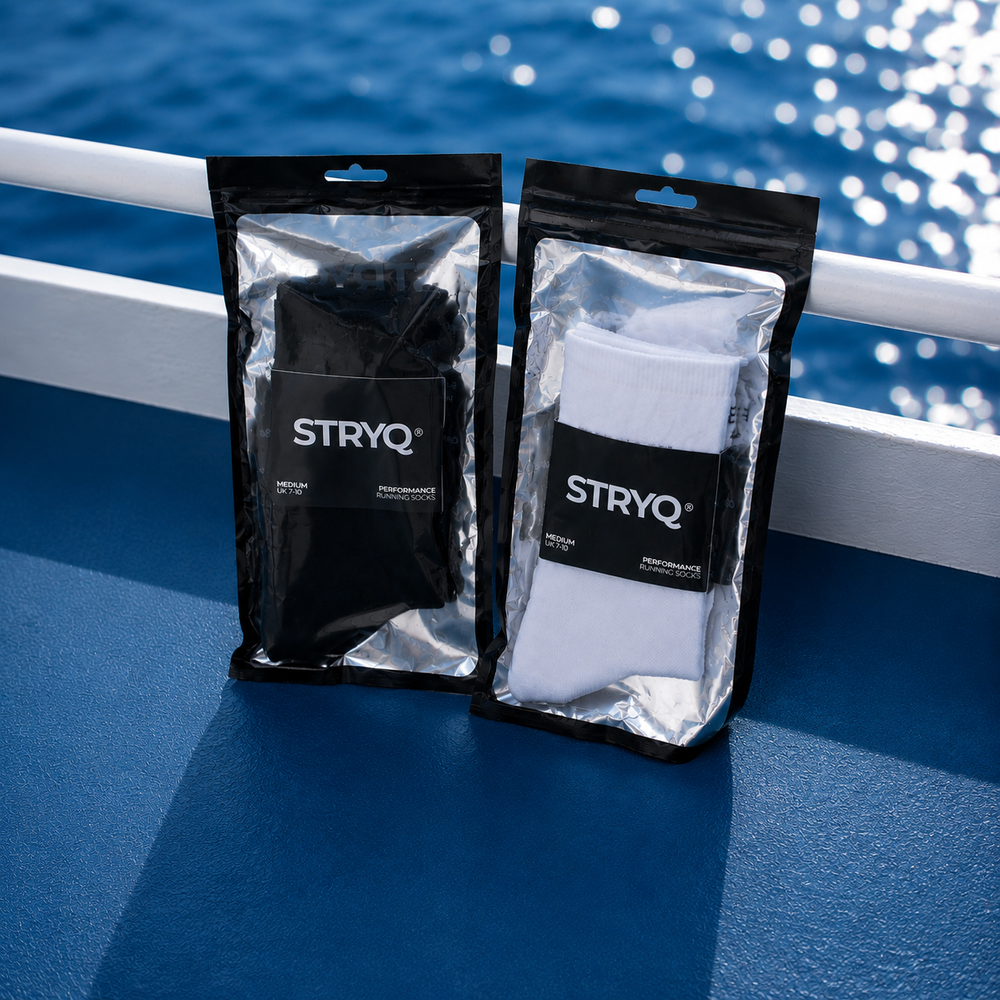
Socks are one of the most overlooked items in marathon running gear.
Poor socks increase friction, trap moisture and lead to blisters. Over marathon distance, this can become painful enough to affect pace and enjoyment.
Technical running socks help manage sweat, reduce rubbing and maintain comfort from start to finish.
Running Shorts or Tights
Lower body clothing should feel secure and distraction free.
For warmer races, lightweight shorts with minimal seams work best. In cooler conditions, tights or half tights provide warmth and reduce muscle vibration.
Whatever you choose, it should already be tested on long runs.
Running Tops and Layers
Your top should be breathable, lightweight and comfortable over long periods.
Consider:
- Moisture management
- Minimal seams
- Weather conditions on race day
For colder marathons, light layers that can be tied or discarded are often used.
Marathon Running Belt
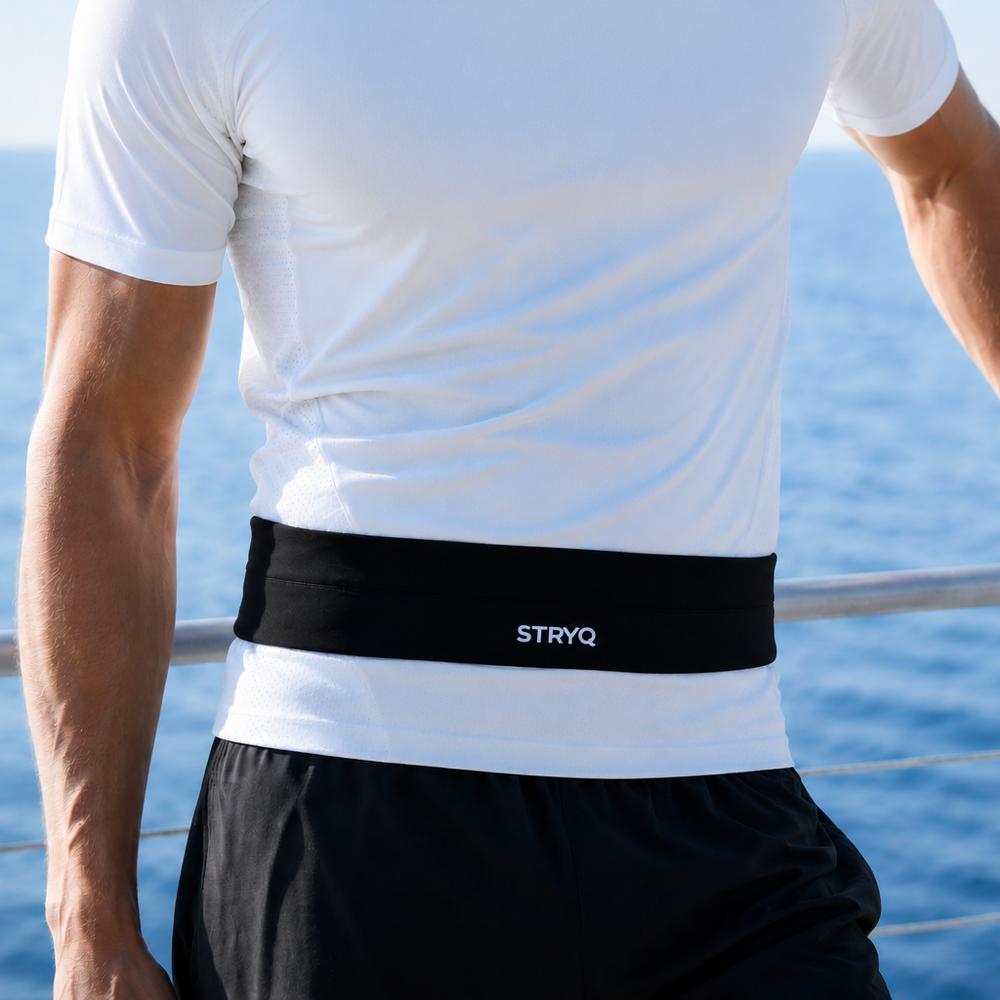
A running belt is one of the most useful items of marathon running gear.
Belts allow runners to carry fuel, a phone or small essentials without holding anything or relying entirely on aid stations.
A running belt keeps items secure and hands free, helping maintain natural running form over long distances.
For early morning starts or darker conditions, a high visibility running belt can also improve confidence and visibility.
Hydration and Fuel Storage
Hydration and fueling are critical during a marathon.
Some runners rely entirely on on course stations. Others prefer carrying their own fluids and nutrition.
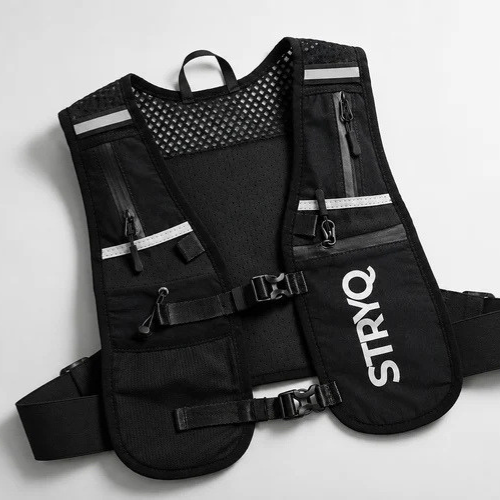
For those carrying water, a running vest allows hydration, gels and small items to be carried comfortably without bounce.
This is especially useful for runners who like consistency or are training for events with less frequent stations.
Gels and Nutrition
Fuel is not optional in a marathon.
Most runners consume carbohydrates every 30 to 45 minutes. Whatever fuel you use should be tested during training.
Marathon running gear should allow easy access to fuel without stopping or fumbling.
Anti Chafing Products
Chafing is common during marathons due to sweat, friction and repetitive movement.
Applying anti chafe balm to known problem areas can prevent discomfort and skin damage.
Weather Specific Marathon Gear
Marathon conditions vary widely.
Hot weather requires breathable clothing and careful hydration. Cold or wet conditions require layers and protection from wind and rain.
Your marathon running gear should match expected conditions, not ideal ones.
Race Day Comfort and Confidence
Confidence matters on marathon day.
Wearing familiar, trusted gear reduces stress and allows you to focus on pacing, fueling and enjoying the experience.
Common Marathon Gear Mistakes
- Trying new gear on race day
- Overloading with unnecessary items
- Ignoring chafing prevention
- Choosing style over comfort

How to Test Marathon Running Gear
Your long runs are your testing ground.
Use long runs to:
- Test shoes and socks
- Practise fueling
- Check storage solutions
- Identify friction points
Nothing on race day should be a surprise.
Minimalist vs Fully Equipped Marathon Setup
Some runners prefer minimal gear, others prefer carrying everything they need.
There is no right answer. The best marathon running gear setup is the one that keeps you calm, comfortable and consistent.
FAQ
What marathon running gear is essential
Shoes, socks, comfortable clothing, fuel storage and hydration are the essentials.
Do I need a running belt for a marathon
Not mandatory, but many runners find belts useful for fuel and personal items.
Should I carry my own water in a marathon
This depends on preference and race setup. Both approaches work.
How do I avoid blisters in a marathon
Wear tested shoes and socks and manage moisture.