Runners often ask whats considered a good 5k time. The answer depends on your age, experience, and training. For many new runners, finishing in 30 minutes or less is a strong first goal. Intermediate runners might aim for 22 to 27 minutes, while club or competitive runners often target under 20 minutes on a flat course.

Average 5K Times by Level
Here are some realistic ranges to help you understand where you sit:
- Beginner: 28–35 minutes (average pace 9:00–11:00 min/km)
- Intermediate: 22–27 minutes (average pace 6:30–8:00 min/km)
- Advanced: 18–22 minutes (average pace 5:00–6:00 min/km)
- Elite: Under 18 minutes for women, under 16 minutes for men
These times vary with course elevation, weather, and terrain, but they provide a fair benchmark for training progress.
How Age Affects 5K Times
Running times naturally shift with age. In general, performance improves into your 30s, stabilises in your 40s, and gradually declines after 50. However, consistency, recovery, and smart training can keep you competitive at any age. Many runners in their 50s still regularly run under 25 minutes.
What a “Good Time” Really Means
A good time is personal. For some, it’s about finishing without stopping. For others, it’s chasing a personal best. The key is progress — shaving seconds from your last race or holding pace more evenly. Success in a 5K comes from consistency, pacing, and recovery, not just raw speed.
Training to Improve Your 5K Time
Follow a balanced plan that includes:
- Speed work: Short intervals like 8 × 400 m at a fast but controlled pace.
- Tempo runs: 15–25 minutes at a steady, moderate-hard effort.
- Long easy runs: 45–60 minutes to build endurance and aerobic capacity.
- Strength training: Two short sessions weekly to build power and prevent injury.
These sessions combined can improve pace, efficiency, and confidence for your next race.
How Gear Impacts Your Time
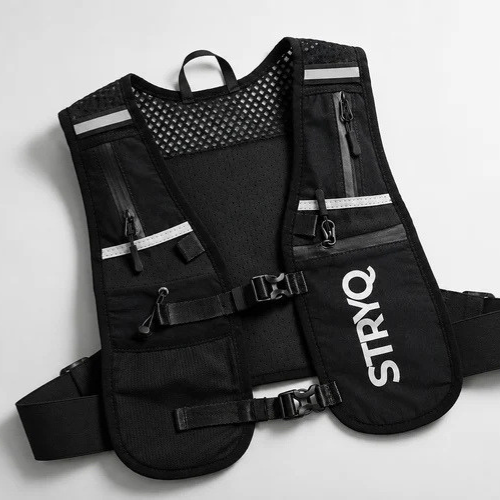
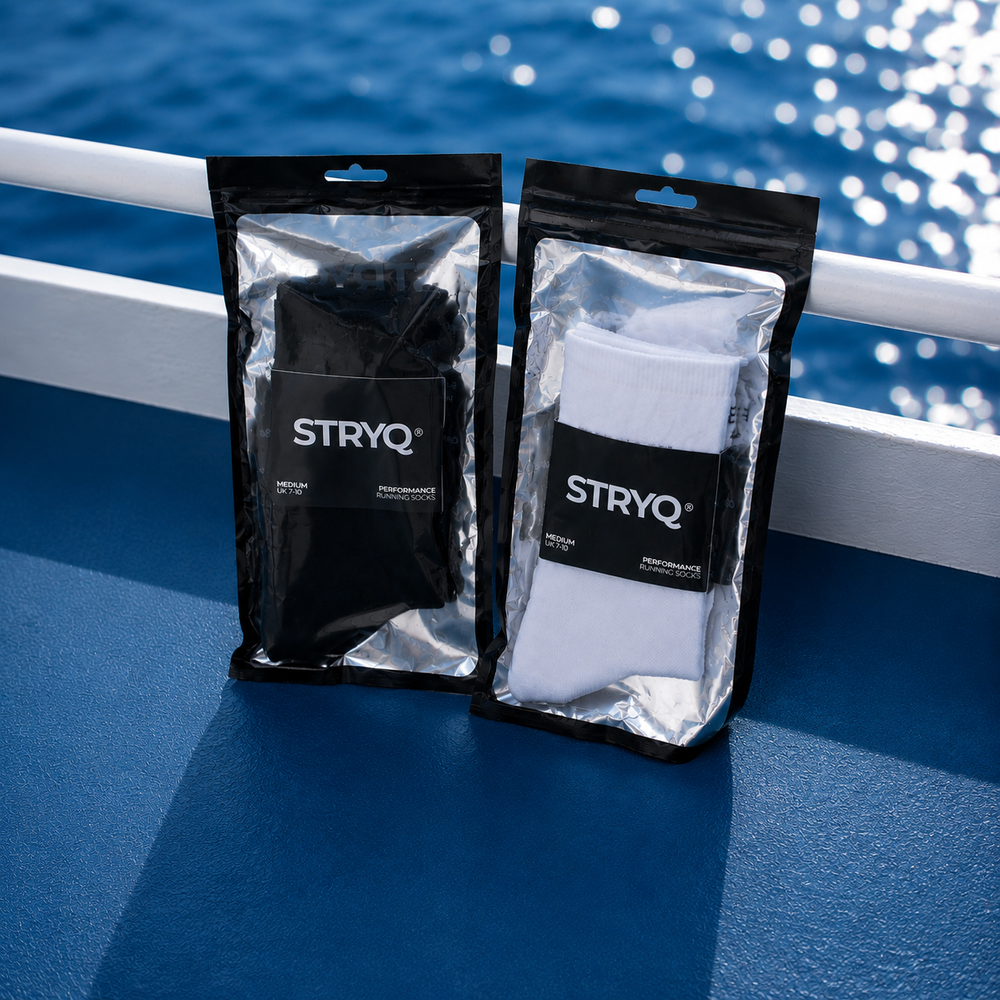
Comfortable, lightweight gear can make pacing easier and help you maintain rhythm. The STRYQ Running Belt keeps essentials secure without bounce, while the STRYQ Hydration Vest supports long runs and tempo sessions. See the full Running Gear and Accessories range for options designed for performance.
Tips for Race Day
Warm up with 10 to 15 minutes of light jogging and short strides. Start steady for the first kilometre, find rhythm by kilometre two, and finish strong. Avoid starting too fast, as it often leads to fading mid-race. Even pacing is key to achieving your best possible time.
FAQs
What’s a good 5K time for beginners. Around 30 to 35 minutes is common for new runners. Consistency and pacing bring that down quickly.
Is 25 minutes good for a 5K. Yes, 25 minutes is an excellent time for recreational runners and shows balanced fitness.
How can I improve my 5K time. Add intervals, hill sprints, and tempo runs once weekly, while keeping easy days easy.
Do shoes or gear make a difference. Good shoes and secure gear help maintain efficiency and reduce fatigue during races.