Your marathon can unravel long before your legs do if your socks start rubbing at mile 10. A hot spot under the arch, a slipping heel or damp fabric bunched in the toes can turn a manageable day into 26.2 uncomfortable miles. The best running socks for marathons are not necessarily the thickest or most expensive pair. They are the pair that stay put, manage moisture and feel unremarkable from the first mile to the finish.
For marathon runners, socks are not an afterthought. They are a piece of kit worth testing properly in training, just like your shoes, nutrition and hydration plan.
What makes the best running socks for marathons?
A good marathon sock has one job: reduce the chance that your feet become a problem. That comes down to fit, fabric, cushioning and construction. Get those right and you spend less time thinking about your feet.
The first priority is a close fit. Loose material moves against skin, and that friction is where blisters begin. A sock should follow the shape of your foot without feeling restrictive around the toes or squeezing your calf. Pay particular attention to the heel. If it creeps down during a run, it is unlikely to improve over another two hours.
Fabric matters just as much. Cotton may feel soft when you put it on, but it absorbs sweat and stays wet. Wet socks are heavier, more likely to rub and slower to dry if you run through rain or splash at a water station. Look instead for technical synthetic fibres, merino wool, or a blend of the two. Both can manage moisture well, although they feel different on the foot.
Synthetic socks are usually lighter, quicker drying and often have a more fitted feel. Merino blends can be a good choice for runners who like a softer feel and want help with temperature regulation during cooler training blocks. There is no universal winner. Your normal running conditions, how much you sweat and the fit of your shoes all matter.
Choose cushioning for your feet and your shoes
More cushioning does not always mean more comfort. A thick sock can feel excellent for easy winter miles, but it also takes up more room in the shoe. If your trainers already fit closely, extra padding may create pressure across the toes or forefoot. That can lead to black toenails, numbness or rubbing when your feet swell late in a marathon.
Light cushioning under the heel and ball of the foot suits many road marathon runners. It gives some protection where impact is repeated thousands of times without changing the fit of the shoe too much. Runners who prefer a firmer, more direct feel may be happier with a thinner sock, particularly in a well-cushioned shoe.
Think about your longest runs, not just race day. If you routinely finish a 16 or 18-mile run with sore soles, a little more padding may help. If your feet feel cramped by halfway, a slimmer sock or a roomier shoe may be the better answer. Do not try to solve a shoe-fitting problem by endlessly changing sock thickness.
Look for padding in the right places
Targeted cushioning is more useful than a bulky sock padded everywhere. Reinforcement at the heel, toes and forefoot can improve durability and comfort without making the whole sock feel heavy. A smooth toe seam is also worth looking for. Even a small raised seam can become irritating once sweat, distance and foot swelling enter the picture.
Compression around the arch can be helpful too. It should give the sock structure and stop it from sliding, rather than feel like a tight band under your foot. If you notice tingling, pressure marks that linger, or discomfort when standing still, the fit is too tight.
Sock height is a practical decision
No-show socks are popular, especially in summer, but they are not right for everyone. The main issue is heel security. If the back sits too low, it can slip beneath the collar of your shoe and leave your Achilles area exposed to rubbing.
Ankle or quarter-length socks are a sensible all-round option for marathon training. They give a little more protection from shoe collars, road grit and wet conditions without feeling warm or bulky. Crew socks can work well in colder weather or on trail-heavy training routes, but check that the cuff does not dig in when your ankles swell.
Choose height based on the shoes and conditions you actually run in. Fashion has very little to do with it at mile 22.
How to test marathon running socks properly
Do not save new socks for the race. The material may feel familiar, but a different cuff height, toe shape or level of compression can still change how your feet respond. Wear prospective race socks for several runs, including at least one long run at a pace close to your planned marathon effort.
Test them with your exact race shoes. A sock that feels perfect in one pair can rub in another because the heel shape, upper material and volume are different. Try them in wet weather too if you can. British marathon training rarely offers guaranteed dry conditions, and a sock that performs well only on a cool, dry five-miler has not earned its place in your race kit.
After each test run, check your feet before you shower. Look for red patches, soft wrinkled skin, rubbed areas and pressure across the toenails. These are early warnings, not minor details to ignore. A small hot spot after 10 miles often becomes a proper blister over marathon distance.
Prevent blisters before they start
Socks help, but they are only one part of blister prevention. Keep toenails trimmed and smooth so they do not catch inside the toe box. Make sure your laces hold your heel securely without crushing the top of your foot. If your toes repeatedly hit the front of the shoe on downhills, you may need to revisit shoe size, lacing or both.
Some runners use lubricants, tape or toe socks. These can be useful when they solve a known issue, such as a recurring blister between two toes. They are not essential for every runner. Add one change at a time in training so you know what has made the difference.
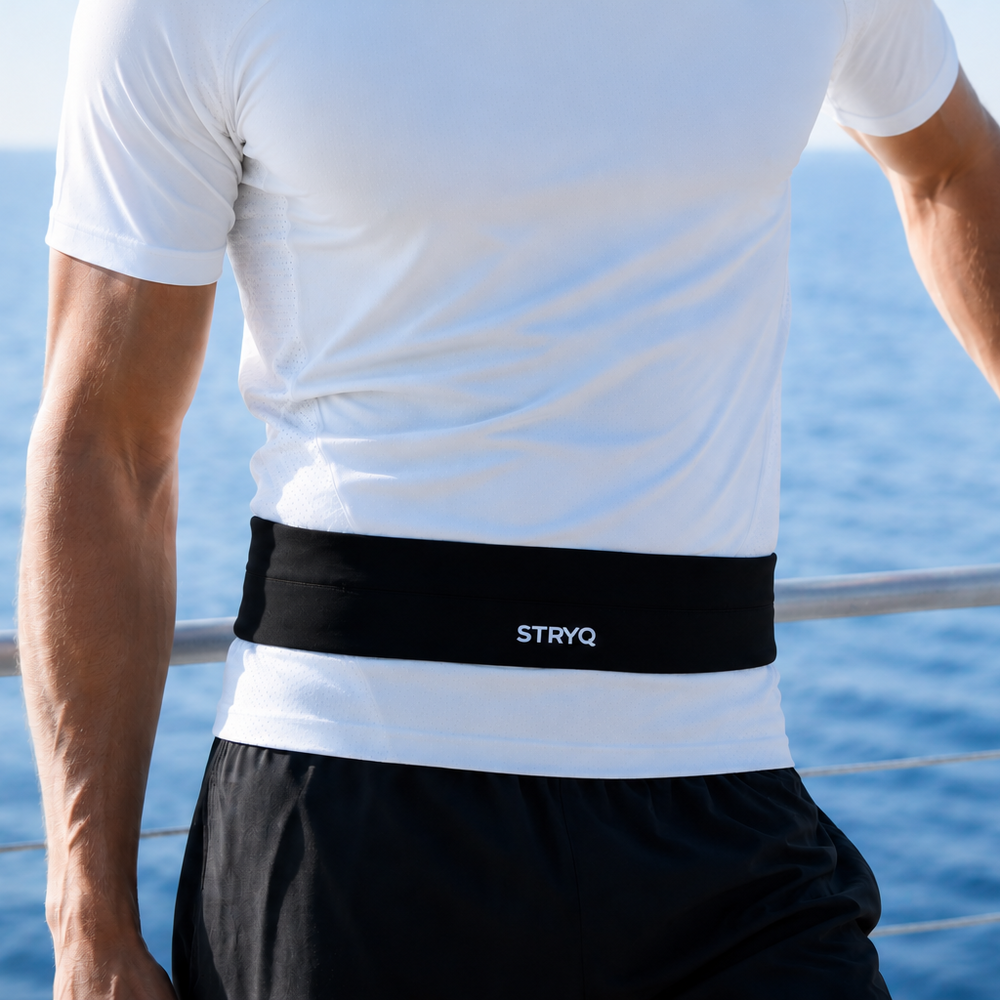
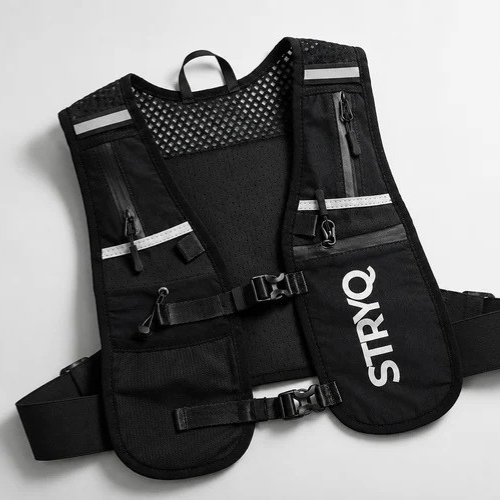
It is also sensible to pack a spare pair in your race bag, particularly if the forecast is wet. You may not need them, but dry socks after a rainy warm-up or a puddle-heavy journey to the start can make a real difference. For longer training days, carrying essentials in a secure running belt or vest keeps a spare pair accessible without stuffing them into a pocket.
Common mistakes when choosing marathon socks
The most common mistake is buying by brand, colour or a single online review rather than fit. Feet vary. A sock that one runner calls blister-proof may bunch around another runner's toes.
Another is wearing worn-out socks for an important race because they feel familiar. Familiarity matters, but thin heels, stretched cuffs and roughened fabric create more movement. Retire socks when they no longer stay in place or the cushioning has flattened noticeably.
Finally, avoid changing socks to fix every discomfort. If pain is sharp, consistent or starts early in a run, look at the bigger picture: shoe width, shoe length, lacing, gait and training load. Socks can improve comfort. They cannot compensate for footwear that is the wrong fit.
A simple race-day choice
For most road marathon runners, the best option is a close-fitting technical sock with a secure heel, smooth toe construction and light to medium cushioning in high-impact areas. Choose a height that protects your heel and feels comfortable in your race shoes. Then prove it over long runs.
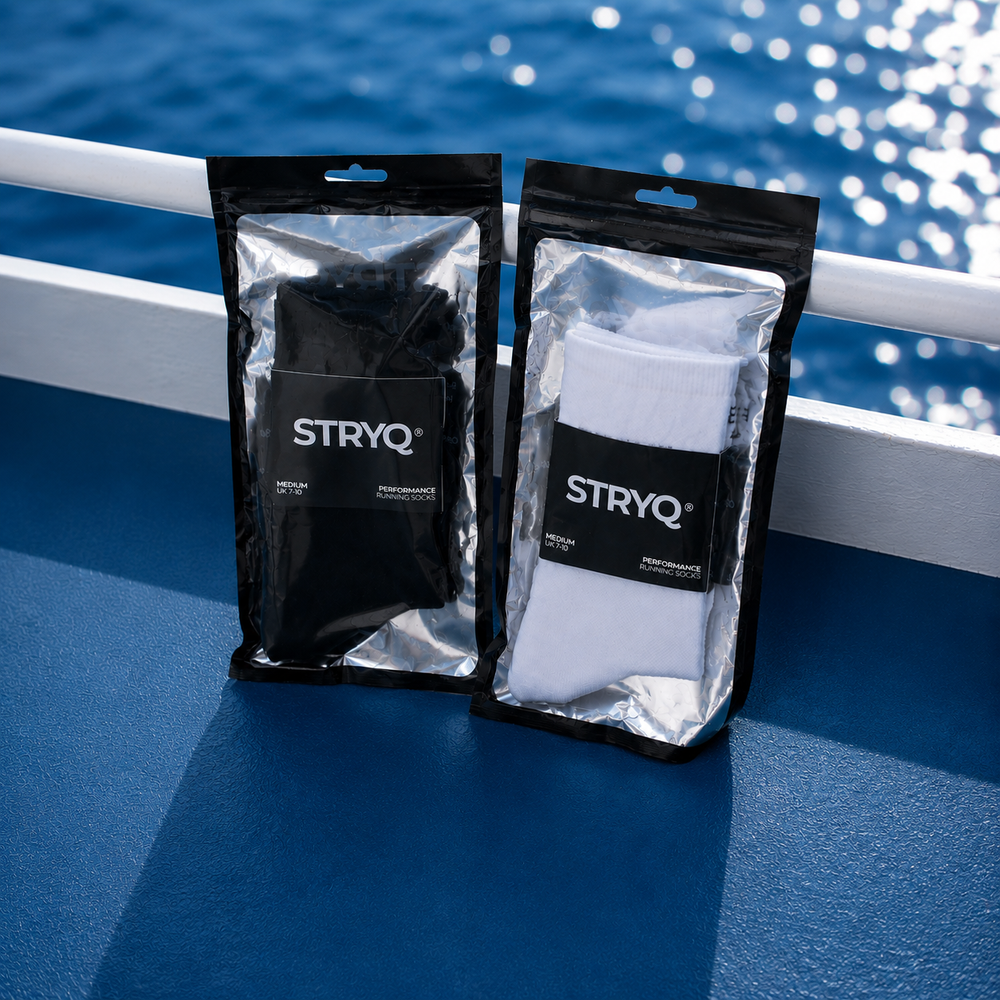
STRYQ running socks are designed around that simple aim: a secure, comfortable fit that lets you focus on the miles rather than what is happening inside your shoes.
Your marathon kit should feel boring in the best possible way. When your socks stay dry enough, stay put and leave your feet alone, you have one less thing to manage when the race gets hard.