Whether you're training for your first parkrun or chasing a new PB, one question pops up time and time again - What is the Average time to run 5k?

Whats the average time to run 5k
The answer? It depends — on your age, fitness level, experience, and even the course you’re running.
In this post, we’ll break down average time to run 5K for men and women, show how age affects performance, and give you practical tips to boost your own time. Whether you’re new to running or already clocking up the miles, this guide will help you track your progress and set realistic, motivating goals.
📊 What Is the Average Time To Run 5K?
On average, most 5K runners finish somewhere between 30 and 40 minutes.
-
Men: ~34 minutes
-
Women: ~40 minutes
These numbers are based on large-scale event data and fitness tracking apps, where millions of runners log their times each year. If you're faster or slower than that — don’t panic. These are averages, not targets.
👟 What About Beginner Runners?
If you're brand new to running, completing a 5K at around 30–35 minutes is a brilliant starting point. Following a simple 8- to 10-week training plan can get most beginners to this level.
At STRYQ, we always say: your pace doesn’t define your progress — your consistency does. So whether you’re jogging, walk-running, or pacing like a pro, showing up is what matters most.
🧓 Does Age Affect 5K Time?
Absolutely — but not as much as you might think.
Here’s a rough guide using real parkrun data:
|
Age Group |
Men (Avg Time) |
Women (Avg Time) |
|
20–29 |
~29 min |
~36 min |
|
30–39 |
~31 min |
~37 min |
|
40–49 |
~32 min |
~39 min |
|
50–59 |
~34 min |
~41 min |
As we get older, our times can naturally slow — but usually only by 1–2 minutes per decade. The good news? Many runners see their fastest 5Ks in their 30s and even 40s with consistent training and recovery.
🌍 What Else Impacts 5K Time?
Several factors beyond age and fitness affect how fast you run:
-
Terrain – Road races are usually faster than trails or hills.
-
Weather – Wind, rain, and heat all impact your pace.
-
Pacing – Starting too fast can burn you out early.
-
Sleep, hydration, and nutrition – All play a part in performance.
That’s why STRYQ running gear is designed for real-world runners. No matter your terrain, pace, or distance — we’ve got your back.
✅ What’s Considered a “Good” 5K Time?
Here’s a general breakdown to help you benchmark yourself:
|
Time Range |
Experience Level |
|
40+ minutes |
Just getting started 👣 |
|
30–39 minutes |
Solid effort 💪 |
|
25–29 minutes |
Intermediate 🏃♂️ |
|
20–24 minutes |
Competitive/Club 🥇 |
|
Under 20 mins |
Elite/Advanced 🔥 |
Remember — these aren’t rules. Some runners hit 25-minute 5Ks in their 50s. Others run 35 minutes and feel amazing. The best time is your time — especially if you're improving.
🔥 How Can You Improve Your 5K Time?
No matter your starting point, there’s always room to improve — and enjoy the journey while you’re at it.
Here’s how to level up your running:
1. Follow a Structured Plan
Mix in:
-
Intervals (short, fast bursts)
-
Tempo runs (steady pace just outside comfort zone)
-
Long slow runs (to build endurance)
2. Strength Train Weekly
Stronger legs = faster turnover and less injury. Even 2 short strength sessions a week can boost your 5K.
3. Monitor Your Progress
Use STRYQ-approved tracking tools to log:
-
Pace per km
-
Heart rate zones
-
Recovery times
-
Course conditions
You’ll start spotting patterns — and unlocking improvements faster.
4. Fuel Right & Recover Hard
Don’t underestimate the power of protein, hydration, and sleep. You don’t get faster during the run — you get faster after it, while recovering.
🏁 Final Thoughts: Compare Less, Run More
Here’s the truth: there’s no perfect 5K time. The fact you’re out there, giving it a go, already sets you apart from most.
The average person might Google average times. But you're out here running them.
At STRYQ, we’re not about chasing perfection — we’re about moving forward, one step at a time. So whether your goal is to beat your last PB or just cross the line with a smile, you’re already doing something powerful.
Track it. Train for it. Enjoy it.
Because at the end of the day —Every move matters.
🔗 Ready to Go Further?
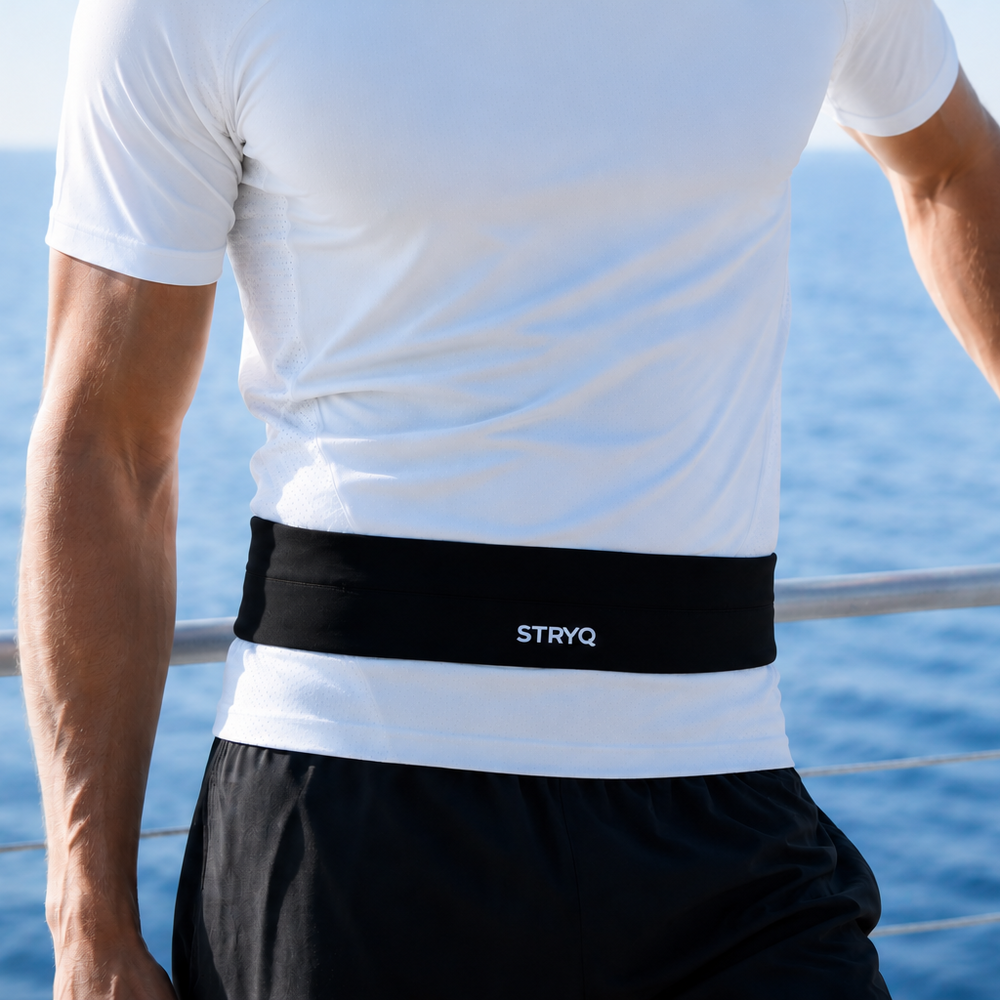
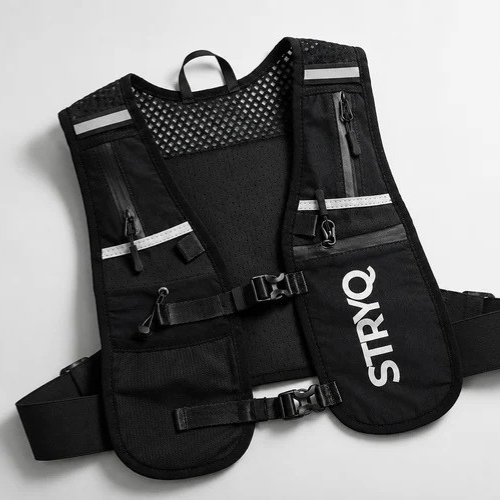
💬 Got your 5K time already now you know the average time to run 5k? Drop it in the comments and let us know what you’re aiming for next!🛒 Need new kit for your next run? Check out our latest running gear including our running belt and running vest →📥 Sign up to the STRYQ newsletter for free training tips, gear drops, and exclusive offers.