

Examples of running gear upgrades that actually work
Running gear upgrades are defined as targeted equipment improvements that measurably increase comfort, performance, or safety during training and racing. The best examples of running gear upgrades span carbon-fibre insoles, moisture-wicking apparel, GPS watches, and hydration vests. Each upgrade addresses a specific problem rather than adding complexity. Whether you are completing your first 5K or training for a marathon, the right kit changes how running feels from the first kilometre.
1. How can advanced shoe upgrades improve running efficiency?
Carbon-fibre insoles are one of the most evidence-backed shoe upgrades available. Lab tests show that specific carbon-fibre insoles raise forefoot stiffness from 17 N/mm to 32 N/mm, an 88% increase. That stiffness improvement returns energy to your stride rather than absorbing it into the shoe foam.
Not every runner adapts well to a flat carbon plate. Some runners find that energy-rod carbon systems offer progressive stiffness that feels more natural underfoot. These curved rod designs flex gradually rather than rigidly, which suits runners who find standard plates uncomfortable.
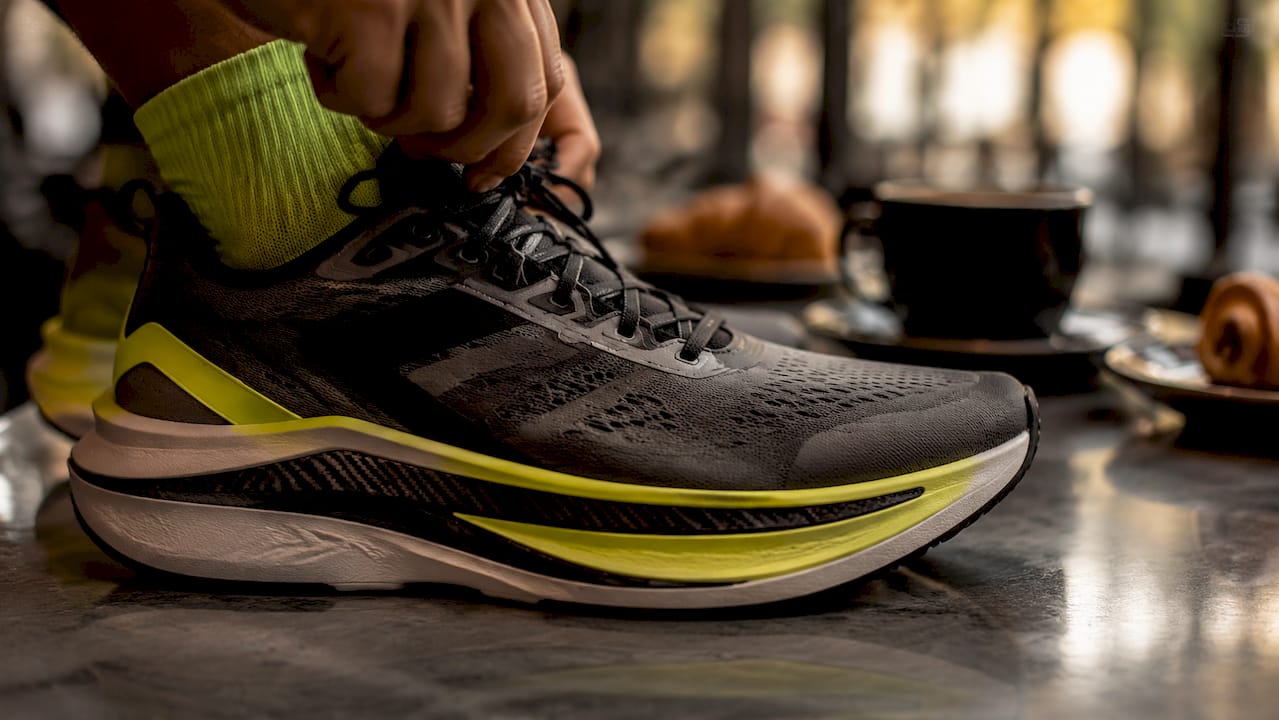
Shoe rotation is a separate but equally important upgrade in practice. Shoe foam requires 48 hours to fully rebound after a run. Running in the same pair on consecutive days compresses the foam before it recovers, reducing cushioning and raising injury risk. Rotating between two pairs extends the life of both and keeps cushioning consistent.
Pro Tip: Match your shoe type to your session. Use a firmer, more responsive shoe for speed work and a softer, more cushioned shoe for easy long runs. This approach protects your legs and gets the most from each pair.
Key shoe upgrade considerations:
- Carbon-fibre insoles work in most standard running shoes without replacing the shoe itself
- Shoe rotation requires a minimum of two pairs to be effective
- Energy-rod systems suit runners who pronate or find rigid plates uncomfortable
- Replace shoes every 500–800 kilometres regardless of visible wear
2. What apparel upgrades provide the best comfort gains?
Apparel is the most underrated category of running equipment enhancements. Seamless or flat-lock stitched shorts prevent chronic chafing, which is the leading source of discomfort on longer runs. Standard stitching creates raised seams that rub repeatedly against skin, causing irritation that worsens with distance.
Moisture-wicking fabrics pull sweat away from the skin and allow it to evaporate quickly. This keeps your core temperature stable and prevents the cold, wet feeling that cotton creates during longer efforts. Layering a moisture-wicking base with a lightweight wind shell adds weather protection without trapping heat.
Running-specific shorts with integrated pockets eliminate the need for bounce-prone armbands or separate belt pouches. Below-hip pockets sit close to the body and do not shift during movement. This is one of the most practical upgraded running gear examples available at any price point.
Pro Tip: For runs over 10 kilometres, prioritise socks with targeted cushioning zones and a snug heel cup. A poor-fitting sock causes blisters faster than any other single piece of kit.
Apparel upgrade priorities by distance:
- Under 5K: moisture-wicking top and basic running shorts are sufficient
- 5K to 10K: add flat-lock stitched shorts and cushioned running socks
- Half marathon and beyond: seamless construction throughout, integrated pockets, and a layering strategy for weather changes
3. Which technology accessories genuinely improve training?
Technology upgrades for runners fall into three clear tiers. The entry level uses a smartphone with a free running app, which tracks distance and pace accurately enough for most beginners. The mid-range tier adds a GPS watch with basic metrics such as pace, heart rate, and cadence, typically priced around £200–£250. The premium tier adds advanced metrics including ground contact time, vertical oscillation, and recovery scores.
| Tier | Typical cost | Key features |
|---|---|---|
| Entry level | £0 (phone app) | Distance, pace, route mapping |
| Mid-range | £150–£300 | GPS watch, heart rate, cadence |
| Premium | £400–£600 | Advanced metrics, recovery tracking, route navigation |
Safety accessories are a separate but critical category. Reflective clips and lightweight safety lights attach to clothing or shoes and make runners visible in low-light conditions. These are low-cost upgrades with a direct safety benefit, particularly for early-morning or evening runs.
Open-ear headphones allow runners to hear traffic while listening to audio. However, many athletes prefer running in silence during high-intensity sessions for improved focus. The choice between audio and silence is a genuine training decision, not just a personal preference.
4. What are sensible upgrades for beginner to intermediate runners?
Tiered investment is the most practical framework for planning running equipment enhancements. Structured gear upgrading follows three investment levels: an entry-level kit at roughly £110–£160, a mid-range kit at around £400, and a premium kit approaching £720. Each tier builds on the previous one rather than replacing it entirely.
The entry-level kit covers the non-negotiables:
- A properly fitted running shoe from a specialist retailer
- Two or three moisture-wicking tops
- One pair of running-specific shorts
- Quality running socks with cushioning
- A basic fitness tracker or phone mount
The mid-range tier adds meaningful performance tools:
- A second pair of running shoes for rotation
- An entry-level GPS watch
- Compression calf sleeves for recovery
- A lightweight running belt or hydration vest for longer efforts
Investing in quality footwear early reduces injury risk and increases enjoyment more than any other single purchase. Runners who delay buying proper shoes and use substandard footwear instead often develop avoidable injuries within the first few months. Spending around £100 on a proper trainer from the start is consistently more cost-effective than treating an injury later.
5. How do hydration and carrying gear upgrades help on long runs?
Hydration gear is where many runners underinvest until they hit a wall mid-run. Using a hydration vest with soft flasks allows runners to skip aid stations entirely and maintain energy levels throughout long efforts. This is particularly relevant for trail runs and road marathons where aid stations are spaced far apart.
The choice between a running belt and a hydration vest depends on run duration and terrain. Running belts suit distances up to around 16 kilometres, carrying a phone, gels, and a small flask without adding significant weight. Hydration vests suit longer distances, carrying 1–2 litres of fluid plus nutrition and a spare layer.
Collapsible soft flasks compress as you drink, eliminating the sloshing that rigid bottles create. They sit flat against the chest in a vest’s front pockets and add negligible weight when empty. This makes them a practical upgrade over standard water bottles for any run over an hour.
Pro Tip: For runs under 60 minutes, a running belt with a single 250ml flask is usually sufficient. For runs over 90 minutes, move to a vest with at least 500ml capacity and space for two gels.
Hydration upgrade options by run type:
- Road runs under 16 kilometres: running belt with one soft flask
- Road runs over 16 kilometres: hydration vest with 1–2 litres capacity
- Trail runs: hydration vest with integrated pockets for nutrition and a map
Key takeaways
The most effective running gear upgrades target footwear, apparel, and hydration first, with technology added once the fundamentals are in place.
| Point | Details |
|---|---|
| Shoe upgrades deliver measurable gains | Carbon-fibre insoles increase forefoot stiffness by up to 88%, improving energy return on every stride. |
| Shoe rotation prevents injury | Foam needs 48 hours to recover, so rotating two pairs protects cushioning and reduces wear. |
| Apparel stitching matters | Flat-lock or seamless construction prevents chafing on runs over 10 kilometres. |
| Invest in footwear first | Quality running shoes at around £100 reduce injury risk more than any other early purchase. |
| Hydration gear scales with distance | Use a running belt for shorter runs and a hydration vest for efforts over 90 minutes. |
What I have learned about upgrading running kit
The runners who improve fastest are not the ones with the most expensive gear. They are the ones who fix the right problem at the right time.
I have seen runners spend £400 on a GPS watch while still wearing cotton socks and a chafing-prone cotton T-shirt. The watch does not fix the discomfort. Sorting out the socks and the top costs a fraction of the price and makes every run more enjoyable immediately.
Shoe rotation is the upgrade I recommend most often, because it is invisible and undervalued. Most runners own one pair and run in it daily until it breaks down. Adding a second pair and alternating them extends the life of both, keeps cushioning performing properly, and reduces the cumulative load on your legs. The running gear guide from Stryq covers this in practical detail if you want a structured starting point.
Technology is worth investing in once your base kit is solid. A GPS watch with heart rate monitoring genuinely changes how you train, because you stop guessing your effort level and start training to data. But it belongs at tier two, not tier one.
The hydration vest is the upgrade that surprises most runners. They assume it is only for ultra-distance athletes. In practice, any run over 90 minutes benefits from hands-free hydration. Once you run with a vest, carrying a bottle in your hand feels like a step backwards.
— martin
Stryq running kit worth adding to your upgrade list
Upgrading your kit does not require a complete overhaul. Sometimes one well-chosen product changes how every run feels.
Stryq produces cushioned running socks built for comfort over distance, with targeted cushioning zones and a breathable construction that reduces heat build-up. For carrying essentials, the Stryq running belt range offers a no-bounce fit for shorter runs, while the hydration vest handles longer efforts with integrated soft flask pockets and storage for nutrition. Every Stryq product goes through multiple rounds of real-world testing before launch, so what you receive has already been refined based on runner feedback.
FAQ
What are the best first running gear upgrades for beginners?
The most impactful first upgrades are properly fitted running shoes, moisture-wicking socks, and flat-lock stitched shorts. These three items address the most common sources of discomfort and injury before adding any technology.
Do carbon-fibre insoles work in standard running shoes?
Carbon-fibre insoles fit most standard running shoes and increase forefoot stiffness by up to 88% in non-plated shoes. They are a cost-effective way to add energy return without buying a new pair of shoes.
When should I switch from a running belt to a hydration vest?
Switch to a hydration vest for runs over 90 minutes or any trail run where aid stations are unavailable. A running belt suits shorter efforts where one small flask and a phone are sufficient.
How often should I replace my running shoes?
Replace running shoes every 500–800 kilometres, regardless of visible wear. Foam compression reduces cushioning well before the upper shows obvious damage.
Is a GPS watch worth buying as a beginner?
A GPS watch becomes worthwhile once you are running consistently and want to train by pace or heart rate zones. For the first few months, a smartphone app delivers accurate enough data while you focus on building the habit.