If you have ever wondered Why Running Feels Hard at the Start, you are in good company. Many runners, including experienced ones, feel heavy legs, tight breathing and that uncomfortable sense of effort in the first few minutes. The good news is that it is usually normal. It is also something you can improve with the right approach.
This guide explains what is happening in your body and mind during those early minutes. It also gives practical tips that help running feel smoother, more controlled and more enjoyable.

Why Running Feels Hard at the Start
The first five to fifteen minutes of a run can feel tougher because your body has not fully switched into exercise mode yet. Your muscles need more oxygen. Your heart rate rises. Your breathing speeds up. Your joints warm up. Your nervous system settles into a rhythm. Until those systems catch up, running can feel harder than it should.
Think of it as an engine warming up. Once you settle, your pace often feels easier even if you are running at the same speed. That change is one reason so many runners say the first mile is the hardest.
The Body Changes That Make the Start Feel Tough
1. Oxygen Delivery Takes Time to Catch Up
At the start of a run your muscles demand oxygen quickly. Your heart and lungs need time to increase supply. That delay can create a breathless feeling early on, especially if you start too fast.
2. Your Muscles Are Not Fully Warm
Cold or stiff muscles do not contract and relax as smoothly. When muscles warm up, they become more efficient. Your movement becomes more fluid and you waste less energy.
3. Your Heart Rate Jumps Quickly
Heart rate can rise sharply in the first few minutes, especially if you rush the start or run up a hill. That sudden rise makes the run feel intense even when your overall pace is not that fast.
4. Your Breathing Pattern Is Still Finding Its Rhythm
Breathing can feel chaotic early on. Once you settle into a consistent pattern, the run usually feels smoother. A common mistake is holding your breath without noticing.
5. Your Nervous System Needs a Reset
If you go from work stress, sitting, or rushing out the door straight into running, your nervous system can feel switched on. The early minutes are often your body calming down while your legs speed up.
Why Running Feels Hard at the Start Even for Fit Runners
This is not only a beginner issue. Fit runners often feel sluggish early on, especially during easy runs. It can happen due to fatigue, lack of sleep, dehydration, stress, or heavy training weeks. It can also happen if your warm up is too short or you run at a pace that is too quick for an easy day.
Some runners call this feeling dead legs. It does not always mean something is wrong. It often means your body needs longer to loosen up that day.
Common Reasons the Start Feels Hard
You Start Too Fast
This is the big one. If you start at your target pace before your body is warm, it will feel harder than it should. Your breathing spikes early. Your legs feel tight. You might even question if you are capable. Then ten minutes later you feel fine, because you have warmed up.
You Are Running an Easy Run Too Hard
Easy runs should feel easy. You should be able to speak in full sentences. If your easy run is creeping into a steady pace, the first mile often feels awful because your body is immediately under pressure.
You Have Not Slept Well
Sleep affects how hard running feels. Poor sleep can raise perceived effort and reduce motivation. A bad night does not ruin your progress. It does mean you should keep that run gentle.
You Are Under Fuelled
If you are not eating enough around training, the start can feel flat. Your body feels slow to respond. This is common in runners who train early morning with very little fuel.
You Are Dehydrated
Even mild dehydration can make a run feel harder. If your mouth is dry or you feel unusually breathless, hydration might be the issue. A few sips of water before you head out can help.
You Are Tense
Shoulders up, fists clenched, jaw tight. Tension wastes energy and changes breathing. Many runners do this without noticing. A quick body scan helps.
How to Make Running Feel Easier at the Start
The goal is not to eliminate effort. The goal is to reduce unnecessary strain in those early minutes.
1. Start Slower Than You Think You Need To
For the first five to ten minutes, run slower than your normal easy pace. You should feel like you are holding back. This allows your heart rate and breathing to rise gradually.
2. Use a Short Warm Up
Warm ups do not need to be complicated. The simplest option is to walk briskly for three to five minutes before you start running. Then jog easily for another five minutes. Your first mile becomes less shocking.
3. Focus on Relaxed Breathing
Try a steady breathing rhythm such as two steps in, two steps out. If that feels too tight, use three steps in, three steps out. The pattern matters less than staying calm and consistent.
4. Keep Your Form Soft
Relax shoulders, keep hands loose, and keep your stride short. A shorter stride reduces impact and often feels smoother early on.
5. Give Yourself a Settling Window
Tell yourself the first ten minutes are a warm up. This mental shift reduces panic. It also prevents you from judging the whole run by the first mile.
Beginner Pacing Tip That Changes Everything
Many beginners think running means feeling out of breath. It does not. If you are breathless early on, you are probably running too fast. Slow down until you can talk. If you cannot talk, walk for thirty seconds, then run again.
This run walk approach builds fitness while keeping the experience positive. It also helps your body adapt to impact without forcing you to grind through every session.
Training Consistency Is Why It Gets Easier
Your body adapts quickly when you train consistently. Over weeks, your heart becomes stronger and pumps more blood per beat. Your muscles store more energy. Your lungs become more efficient. You also develop better pacing instincts.
This is why the same pace can feel hard in week one and manageable later. It is not magic. It is adaptation.
How Long Does It Take for Running to Feel Easier?
Most runners notice meaningful improvements within four to eight weeks of consistent training. The start of runs often feels easier as your body becomes familiar with the demand. Your breathing settles quicker. Your legs loosen earlier. You also learn what an easy pace actually feels like.
The biggest accelerator is consistency. Two to four runs per week usually beats one long hard run every weekend.
Gear That Helps You Start Strong
Comfort matters. If you start a run already annoyed by bouncing keys, a phone that will not sit right, or clothing that rubs, the run feels harder than it needs to.
Carry Essentials Without Bounce
A stable belt helps reduce distraction and tension. The STRYQ Running Belt is designed to sit secure and minimise movement so you can focus on pacing and breathing.
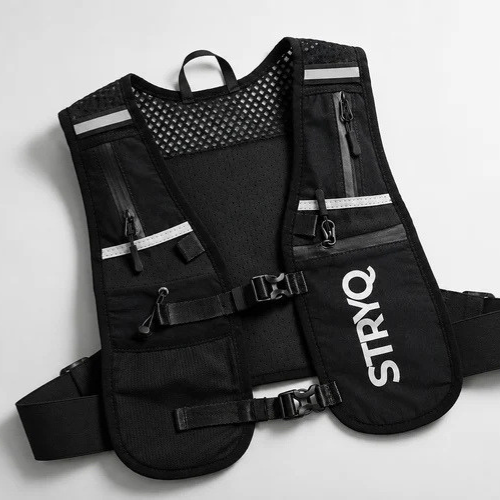
If you run longer and want more storage, the STRYQ Running Vest can hold water and layers without the constant shifting that ruins rhythm. Many runners compare hydration solutions from Salomon, CamelBak, Nathan and Ultimate Direction. Fit matters most.
A Simple Reset If the Start Feels Awful
If you are two minutes in and feel terrible, do this:
- Slow down immediately.
- Drop shoulders and relax hands.
- Take ten deep controlled breaths.
- Shorten stride and keep feet light.
- Give it five more minutes before you decide anything.
Most of the time you will settle. If you do not, it might be a sign to keep the run easy or to swap it for a walk.

When the Start Feeling Hard Is a Warning Sign
Sometimes hard starts are a sign you need rest. If you notice these patterns repeatedly, take it seriously.
- Heavy fatigue for several days in a row.
- Sleep is poor and motivation is low.
- Heart rate is unusually high at easy pace.
- Sharp pain that changes your running form.
- You feel unwell or feverish.
Rest days are part of training. They help you come back stronger.
FAQ
Why Running Feels Hard at the Start every single time?
It is often pacing. If you start too fast, your breathing spikes before your body warms up. Start slower for ten minutes and reassess.
Why Running Feels Hard at the Start even on easy runs?
Easy runs can still feel hard if you are tired, stressed, under fuelled, or running slightly too fast. Keep effort low and allow a longer warm up.
How do I warm up if I do not have time?
Walk briskly for three minutes. Then jog gently for five minutes. It is short but it can make the first mile feel much easier.
Will this feeling go away as I get fitter?
Usually yes. Consistent training improves how quickly your body adapts to exercise. Many runners notice improvements within four to eight weeks.