Beginning your running journey can feel overwhelming, but these starting running tips break everything into simple steps. From choosing the right gear to planning your routes and tracking progress, this guide gives beginners a clear, confident way to start running safely and sustainably.

1. Start by Setting Clear, Simple Goals
Before downloading apps or buying gear, decide what you want to achieve. Your goal might be:
- Run for 10 minutes without stopping
- Complete a 5K
- Improve mental health and daily movement
- Lose weight or build fitness
Realistic goals make training easier to stick to and track.
2. Use a Beginner-Friendly Training Plan
A structured plan stops you from running too fast, too far, too soon. The easiest approach for beginners is the walk-run method.
| Week | Run/Walk Ratio | Total Time |
|---|---|---|
| Week 1 | 1 min run / 2 min walk | 20–25 mins |
| Week 2 | 2 min run / 2 min walk | 25–30 mins |
| Week 3 | 3 min run / 2 min walk | 30 mins |
| Week 4 | 5 min run / 1 min walk | 30–35 mins |
If you prefer app-guided plans, try:
- Strava – Track distance and join local running groups
- Runna – Coaching plans tailored to your goals
- Nike Run Club – Free guided runs and coaching tips
3. Warm Up Properly Before Each Run
Warm-ups prevent injuries and prepare your muscles for impact. Aim for 5–7 minutes including:
- Leg swings
- Hip openers
- Glute activation (bodyweight squats)
- Light marching or fast walking
4. Choose the Right Gear to Stay Comfortable
You don’t need expensive kit to start running — but a few smart choices make a huge difference in comfort and consistency.
- Running shoes: Visit a specialist shop for gait analysis. Replace shoes every 500–700 km.
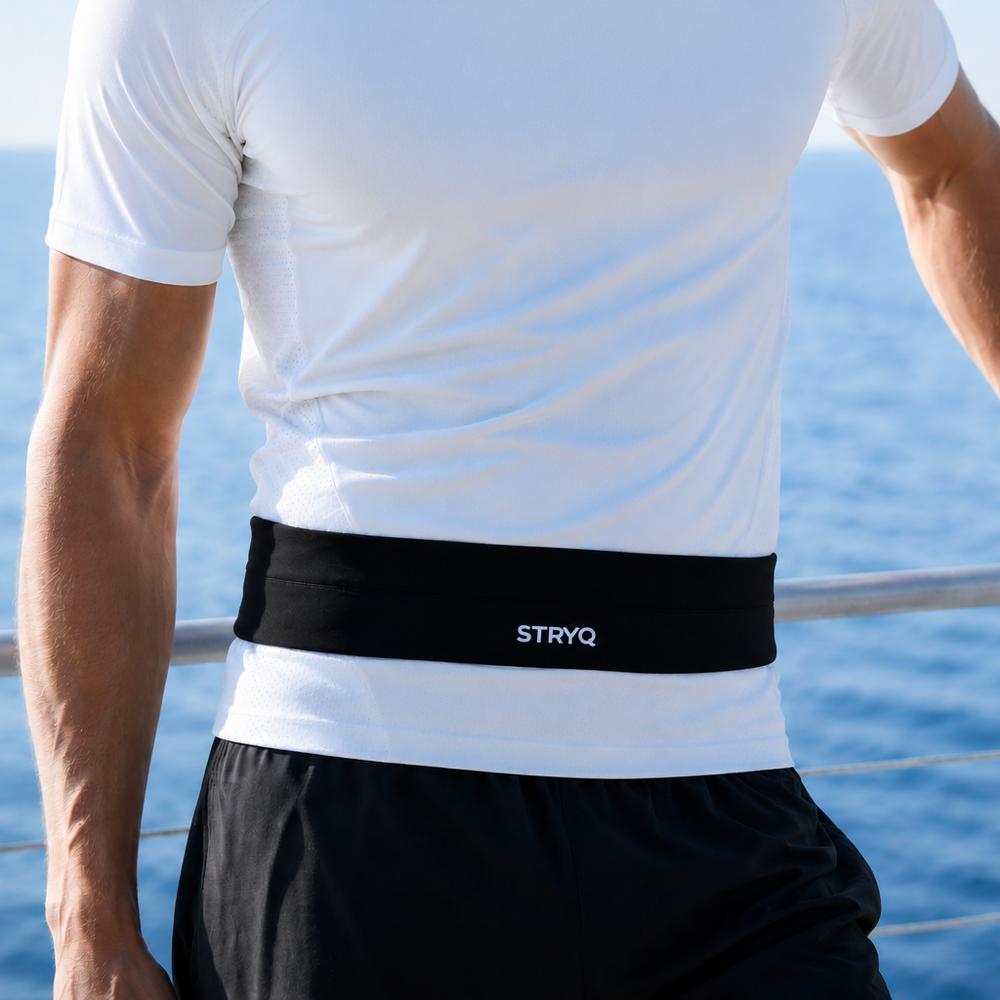
- Running belt: Keep your essentials secure with the STRYQ Running Belt (sizes S–XXL in six colours).
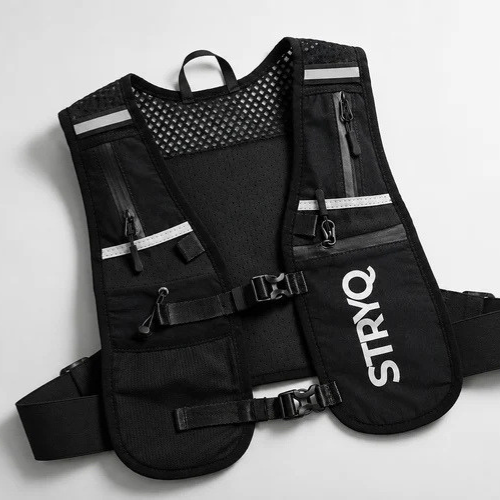
- Hydration vest: For longer runs, the STRYQ Running Vest provides storage, hydration, and reflective safety.
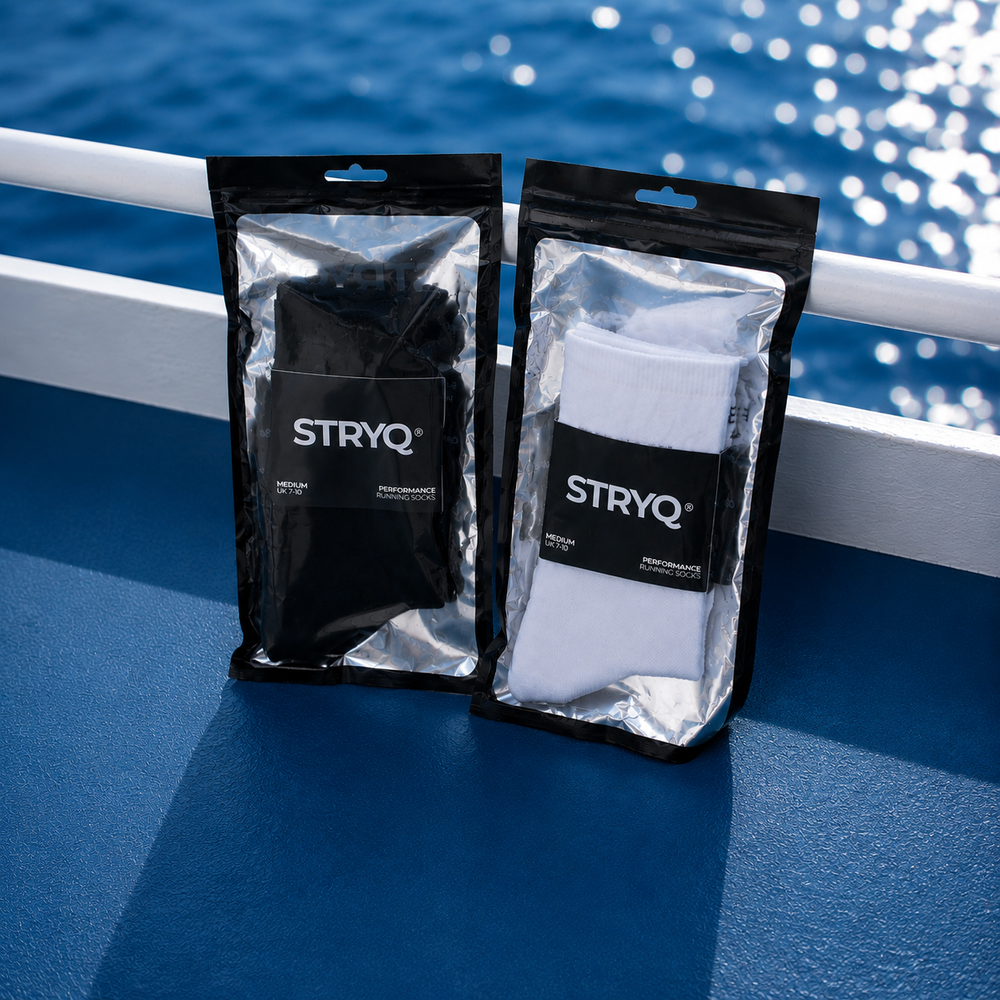
- Moisture-wicking clothing: Avoid cotton. Look for breathable, lightweight fabrics.
Good gear removes distractions so you can focus on building your running habit.
5. Plan Safe and Enjoyable Routes
Where you run matters. Pick routes that are well-lit, flat, and easy to follow. Ideal beginner locations include:
- Local parks and riverside paths
- Strathclyde Park, Pollok Park, or similar open spaces
- Neighbourhood loops where you can measure progress
To find new routes, try Strava’s “Explore” feature or MapMyRun. Variety keeps running fun.
6. Track Your Progress for Motivation
Tracking your runs helps you stay consistent and motivated. Even simple metrics like distance and time show how fast you’re improving.
- Strava: See pace, distance, elevation, and join challenges.
- Garmin or Coros watch: Useful for heart rate and pace control.
- Apple Watch: Good for casual tracking and motivation rings.
Many beginners find motivation by sharing progress with running communities online.
7. Join Events to Build Confidence
You don’t need to be fast to join events. Parkrun is one of the best ways to build routine and confidence as a beginner.
- Parkrun UK – Free 5K every Saturday
- Local charity runs & 10K events
- Community running groups
Events give you something to train towards — and the atmosphere keeps you motivated.
8. Build Strength and Mobility
Strength work helps prevent injury and improves running form. Aim for two sessions per week focusing on:
- Squats
- Glute bridges
- Planks
- Calf raises
Stronger muscles support smoother, more efficient running.
9. Recovery Matters as Much as Training
Rest days help your body adapt and grow stronger. Support your recovery with:
Recovery is where your progress actually happens — not during the run itself.
FAQ: Starting Running Tips
How often should beginners run?
Start with 2–3 runs per week with rest days in between.
How fast should I run?
Run at a pace where you can talk without gasping. Slow is fine.
Do I need expensive gear to start?
No. Comfortable shoes and a running belt are all you need at the start.
Is Parkrun OK for beginners?
Yes — Parkrun is beginner-friendly, welcoming, and free.