How to start running is one of the most searched fitness questions every January. Thousands of people decide this is the year they will finally give running a proper go. The problem is not motivation. The problem is starting the right way.
This guide is a complete, practical walkthrough on how to start running from scratch. It covers gear, trainers, warming up, pacing, apps, routes, mindset and how to stay consistent without burning out.

Why Most People Struggle When They Start Running
Running feels simple, but many beginners make the same mistakes. They start too fast, do too much too soon and expect instant results. This leads to soreness, frustration and quitting.
The goal when learning how to start running is not speed or distance. It is building a habit that feels manageable and enjoyable.
Getting the Right Gear Before You Start Running
You do not need lots of equipment to start running, but a few basics make a huge difference.
Running Trainers and Gait Testing
Good trainers are the most important piece of running gear. Comfort matters more than brand or price.
If possible, visit a specialist running shop and get a gait test. This looks at how your foot lands and helps match you with suitable trainers. If that is not an option, choose shoes that feel comfortable immediately with enough cushioning.
Running Socks
Proper running socks reduce blisters and discomfort. Cotton socks trap moisture and increase friction.
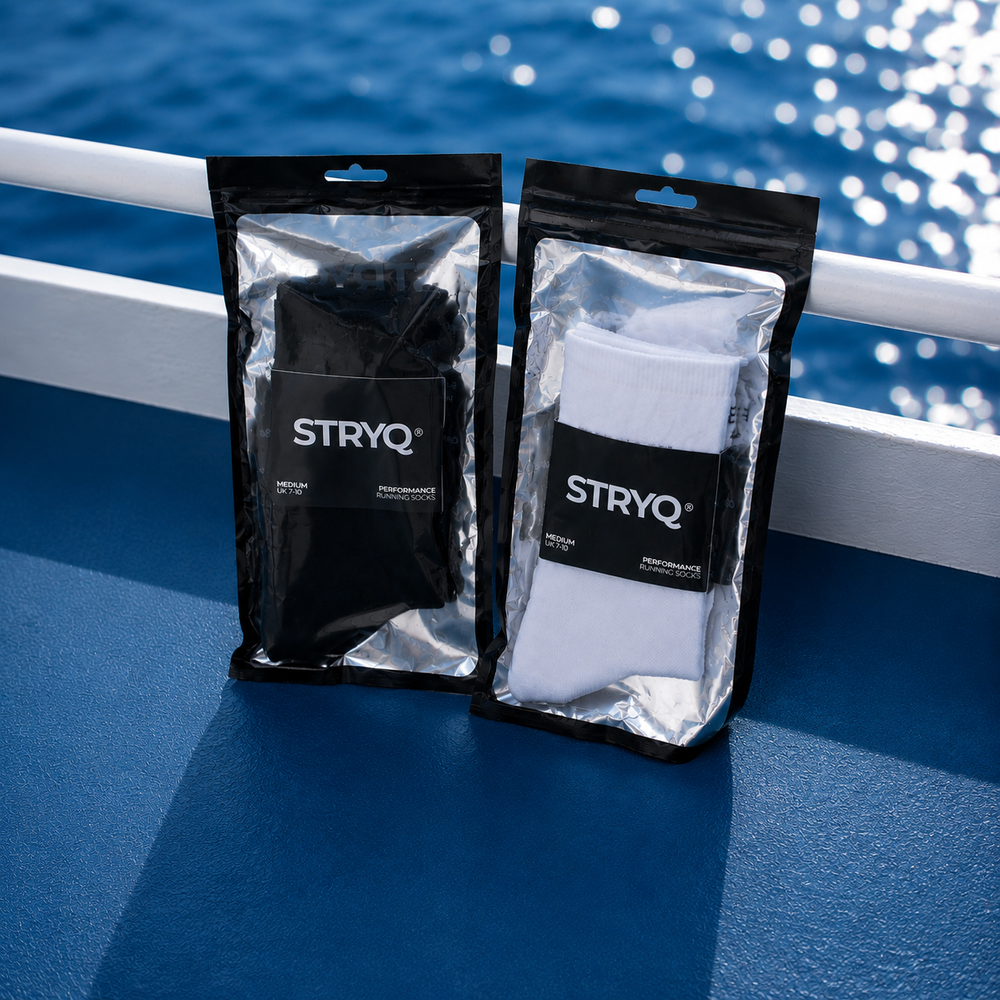
Technical socks designed for running help manage sweat and stay in place. You can explore the STRYQ running socks collection as part of a beginner friendly setup.
Simple Storage
If you need to carry keys or a phone, avoid holding them. A stable belt like the STRYQ Running Belt keeps essentials secure and lets you focus on running.
How to Start Running Without Overdoing It
One of the biggest mistakes beginners make is trying to run continuously from day one. This is rarely sustainable.
Use a Walk Jog Approach
Walk jog intervals are one of the best ways to start running.
- Walk for 1 to 2 minutes.
- Jog gently for 30 to 60 seconds.
- Repeat for 20 to 30 minutes.
This approach builds fitness while protecting joints and muscles.
Start Slower Than You Think
If you feel out of breath in the first few minutes, slow down. You should be able to talk in short sentences.
Running too fast is the main reason beginners struggle.
Warming Up Before Running
Warming up prepares your body and makes running feel easier.
- Walk briskly for 3 to 5 minutes.
- Do gentle leg swings or ankle circles.
- Start jogging slowly.
Skipping warm ups often makes the first part of the run feel much harder.
Planning Your Route
Route choice matters when learning how to start running.
- Choose flat routes at first.
- Avoid busy roads if possible.
- Pick familiar areas close to home.
- Loops are often easier than out and back routes.
Short, repeatable routes remove pressure and make it easier to stop if needed.
Apps to Help You Start Running
Running apps can provide structure and motivation.
- Couch to 5K apps for guided walk jog plans.
- Strava for tracking progress.
- Nike Run Club for beginner friendly coaching.
Apps are tools. They should support you, not pressure you.
How Often Should Beginners Run
Two to three runs per week is enough when starting.
Rest days matter. Your body adapts during recovery, not during the run itself.
Cooling Down After Running
Cooling down helps recovery and reduces stiffness.
- Walk for 5 minutes after running.
- Stretch gently if it feels good.
- Hydrate and refuel.
Do Not Compare Yourself to Others
Comparison is one of the fastest ways to lose motivation.
Everyone starts somewhere. Pace, distance and ability improve with time. Focus on your own progress.
Joining Running Groups or Clubs
Many beginners find support through local running groups or clubs.
- Group runs provide motivation.
- Social running makes it more enjoyable.
- Beginner groups move at welcoming paces.
Parkrun is also a great option for beginners. Walking and jogging are welcome.
Setting Simple Goals
Goals help keep you consistent.
- Run three times per week.
- Complete a Couch to 5K plan.
- Sign up for a local 5K event.
- Focus on consistency, not speed.
Races provide structure and something to work towards.
Common Beginner Mistakes
- Starting too fast.
- Running every day.
- Ignoring rest days.
- Comparing progress to others.
- Expecting instant results.
How Long Does It Take to Feel Comfortable Running
Most beginners notice improvements within four to eight weeks. Breathing becomes easier, legs feel stronger and confidence grows.
The key factor is consistency.

How STRYQ Supports Beginner Runners
STRYQ running gear is designed to remove distractions and make running feel simpler.
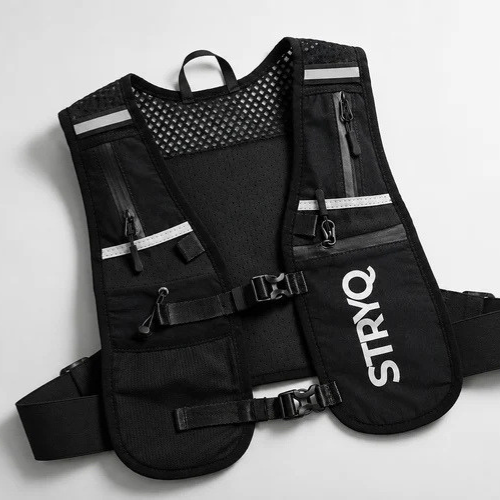
From stable storage with the STRYQ Running Belt, hydration support through the STRYQ Running Vest, to comfortable running socks, the focus is on helping beginners build habits that last.
FAQ
How long should beginners run for
Start with 20 to 30 minutes including walking. Build gradually.
Is it normal to feel tired when starting running
Yes. Fatigue is normal at first. It improves quickly with consistency.
Should beginners stretch before running
Gentle movement is better than long static stretching before running.
Can anyone start running
Most people can start running with a gradual approach. If unsure, speak to a healthcare professional.