This guide breaks down the most common running mistakes beginners make, why they happen, and exactly how to avoid them so running becomes easier, safer and more enjoyable.

Starting Too Fast
This is the most common mistake of all. Many beginners believe running should feel hard from the first step. They set off too fast, breathing spikes, legs burn and confidence drops within minutes.
Running fast before your body is warm makes everything feel worse than it needs to. It also increases injury risk and makes recovery harder.
How to Fix It
- Start every run slower than you think you need to.
- Use the first ten minutes as a warm up.
- You should be able to talk in full sentences.
Thinking Every Run Needs to Be Hard
Many beginners think progress comes from pushing every run. In reality, fitness improves when your body has time to adapt. Easy runs build endurance and protect joints and muscles.
Running hard every time often leads to fatigue, frustration and injury.
How to Fix It
- Keep most runs easy and comfortable.
- Limit harder sessions to once or twice per week.
- Judge effort by breathing, not pace.
Ignoring Rest Days
Rest is where improvement happens. Beginners often feel guilty for resting and believe consistency means running every day. This is one of the biggest common running mistakes beginners make.
Without rest, small aches become injuries and motivation fades.
How to Fix It
- Schedule rest days as part of training.
- Use walking or gentle mobility on rest days.
- Remember rest supports progress, not failure.
Increasing Distance Too Quickly
It is tempting to add more distance once you complete your first few runs. Unfortunately, muscles adapt faster than tendons and bones. This mismatch causes many beginner injuries.
Shin splints, knee pain and Achilles issues often come from rapid mileage increases.
How to Fix It
- Increase weekly distance gradually.
- Hold mileage steady for several weeks before increasing.
- Reduce volume every few weeks to recover.
Running Through Pain
There is a difference between discomfort and pain. Beginners often push through pain because they fear losing progress. This is one of the fastest ways to end up sidelined.
Pain that changes your stride or worsens during a run is a warning sign.
How to Fix It
- Stop if pain alters your running form.
- Rest or cross train if pain persists.
- Seek professional advice if pain returns repeatedly.
Comparing Yourself to Others
Social media and tracking apps make comparison easy. Beginners often measure their progress against experienced runners, which leads to frustration.
Your starting point is unique. Comparing pace or distance too early can damage confidence.
How to Fix It
- Compare progress only to your past self.
- Focus on consistency, not speed.
- Celebrate small improvements.
Neglecting Warm Up and Cool Down
Skipping warm ups makes the start of runs feel harder. Skipping cool downs can increase stiffness and slow recovery.
Beginners often rush this part without realising its importance.
How to Fix It
- Walk or jog gently for five minutes before running.
- Slow down gradually at the end of your run.
- Stretch lightly if it helps you relax.
Not Fueling or Hydrating Properly
Many beginners underestimate how much energy running uses. Under fueling makes runs feel harder and slows recovery.
Hydration also matters, even on shorter runs.
How to Fix It
- Eat balanced meals around training.
- Drink water regularly through the day.
- Carry fluids on longer runs if needed.
Wearing the Wrong Gear
Uncomfortable gear can ruin a run. Beginners often run with bouncing phones, rubbing clothing or shoes that are not suited to their feet.
Small irritations become major distractions when repeated.
How to Fix It
- Choose running shoes that feel comfortable from the start.
- Wear moisture wicking clothing.
- Carry essentials securely.
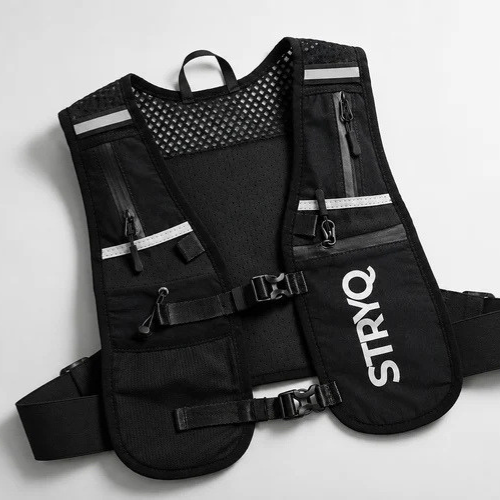
A stable belt such as the STRYQ Running Belt helps beginners avoid bounce and distraction. For longer runs or warmer days, the STRYQ Running Vest allows you to carry water and essentials comfortably. Many runners compare options from Salomon, CamelBak, Nathan and Ultimate Direction, but fit and comfort matter most.
Lack of Strength Training
Beginners often think running alone is enough. Weak hips, glutes and core increase injury risk and reduce running efficiency.
How to Fix It
- Add two short strength sessions per week.
- Focus on squats, lunges and calf raises.
- Include basic core exercises.
Expecting Instant Progress
Running fitness builds gradually. Beginners sometimes quit because improvement feels slow. In reality, adaptation takes time.
Most runners notice real changes within four to eight weeks of consistency.
Common Running Mistakes Beginners Make With Motivation
Motivation fluctuates. Relying on it alone leads to inconsistency. Building habits matters more.
How to Fix It
- Schedule runs like appointments.
- Keep goals realistic.
- Allow flexibility without guilt.
How to Build a Smarter Beginner Running Routine
A simple structure helps avoid most mistakes.
- Run three times per week.
- Keep all runs easy at first.
- Gradually increase time, not speed.
- Rest or cross train on non running days.
When to Ask for Help
If pain persists, motivation drops sharply or progress stalls for several weeks, seek guidance. A coach, physiotherapist or experienced runner can help identify issues early.

FAQ
What is the biggest running mistake beginners make?
Starting too fast and pushing every run. Easy pacing builds fitness more safely.
How many days per week should beginners run?
Most beginners do well with three runs per week, allowing rest and recovery.
Is soreness normal when starting running?
Mild muscle soreness is normal. Sharp pain or soreness that changes your stride is not.
How long before running feels easier?
Many beginners notice improvement within four to eight weeks of consistent training.