If you are searching for what to do before a marathon, you are at the stage where preparation matters more than training. The miles are already in your legs. What you do now determines how well you perform on race day.
This is where most runners get it wrong. They overtrain, change their routine, or leave things to chance. The result is fatigue, poor fuelling, and a difficult race.
The goal is simple. Arrive at the start line fresh, fuelled, confident, and fully prepared.
Quick Answer: What to Do Before a Marathon
The most important things to do before a marathon are to taper properly, fuel your body correctly, prepare your gear, plan race day logistics, and follow a pacing and fuelling strategy. These are the key factors that directly impact your performance.
- Taper your training to reduce fatigue
- Increase carbohydrate intake before race day
- Use only tested gear and nutrition
- Plan your race day from start to finish
- Follow a structured pacing and fuelling plan
Why Knowing What to Do Before a Marathon Matters
Many runners believe the hard work is done once training ends. In reality, the final phase is where performance is protected or lost.
Understanding what to do before a marathon helps you avoid:
- Starting the race fatigued
- Hitting the wall early due to poor fuelling
- Discomfort caused by untested gear
- Poor pacing decisions
Experienced runners focus on control. They remove variables, simplify decisions, and stick to what works.
1. Taper Properly in the Final Weeks
Tapering is one of the most important and misunderstood aspects of marathon preparation. The goal is not to gain fitness, but to remove fatigue while maintaining sharpness.
In the final 2 to 3 weeks:
- Reduce weekly mileage gradually
- Keep some intensity with shorter runs
- Increase focus on sleep and recovery
This is where many runners panic. They feel like they are losing fitness and try to do more. This is a mistake.
Real runner insight. If your legs feel slightly heavy or sluggish, that is normal. It means your body is recovering and preparing for race day.
The biggest mistake here is overtraining. Fatigue carried into race day is one of the main reasons runners struggle.
2. Dial in Your Nutrition and Hydration
Fuelling is critical when considering what to do before a marathon. Your body relies on glycogen stores, and these must be fully topped up.
In the final 3 days:
- Increase carbohydrate intake
- Reduce fibre intake to avoid stomach issues
- Stay consistently hydrated
Do not experiment. Stick to foods you know work for you.
During the race, fuelling becomes even more important. Most runners who hit the wall do so because they delayed fuelling.
A simple fuelling strategy:
- First gel at 30 minutes
- Repeat every 30 to 45 minutes
- Drink water regularly
Carrying fuel properly is essential. A running belt allows you to store gels securely without movement, so you can focus on your run.
3. Prepare Your Gear in Advance
Gear preparation is a key part of what to do before a marathon. Over long distances, small issues become major problems.
Everything should be tested in training:
- Shoes should be worn in but not worn out
- Socks should prevent friction and blisters
- Clothing should match race conditions
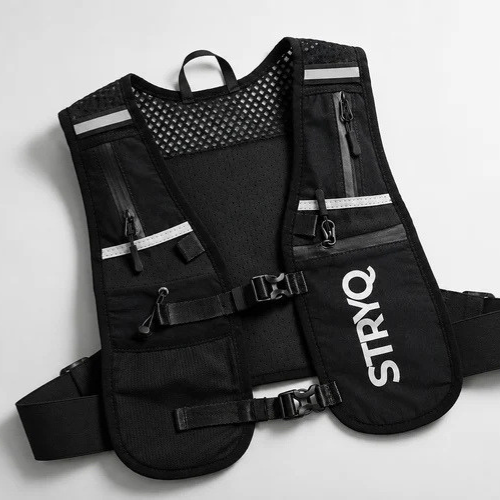
If you are carrying hydration, a running vest provides better balance and comfort.

Never wear anything new on race day. This includes socks, tops, or accessories.
4. Plan Race Day Logistics
Knowing what to do before a marathon includes planning every detail of race day.
- Know your start time and wave
- Plan your travel and arrival time
- Prepare your kit the night before
Arriving early removes stress and allows you to focus.
Lay everything out in advance. Your goal is to make race morning simple and controlled.
5. Get Your Mind Right
Mental preparation is just as important as physical preparation.
Before race day:
- Visualise your race
- Accept discomfort as part of the process
- Stick to your pacing plan
This is where races are decided. Many runners start too fast and struggle later.
Real runner insight. The marathon truly begins at mile 18. This is where discipline matters.
6. Avoid Common Pre-Marathon Mistakes
Understanding what to do before a marathon also means knowing what to avoid.
- Trying new foods or supplements
- Overtraining during taper week
- Ignoring hydration
- Using untested gear
These mistakes are simple but costly.
7. Follow a Structured Race Week Plan
A clear plan removes uncertainty and keeps you focused.
- 7 days before: Reduce volume
- 3 days before: Increase carbs
- 1 day before: Rest and prepare
- Race day: Execute
This approach keeps everything simple and effective.
Advanced Marathon Strategy
This is where preparation turns into performance.
Pacing strategy:
- Start slightly slower than your target pace
- Settle into rhythm early
- Maintain effort, not pace, in later miles
Fuelling timing:
- Do not wait until you feel tired
- Fuel consistently from early in the race
- Stick to your plan
This is where most runners fail. They go out too fast and delay fuelling.

Gear Checklist Before a Marathon
- Running shoes
- Socks
- Race outfit
- Fuel
- Hydration setup
- Running belt or vest
Final Thoughts on What to Do Before a Marathon
Understanding what to do before a marathon is about preparation and execution.
Control what you can. Keep things simple. Trust your training.
Running Belt
Running Vest
Training Tips
FAQ: What to Do Before a Marathon
How many days should I rest before a marathon?
Most runners reduce intensity in the final week and rest 1 to 2 days before race day.
Should I run the day before a marathon?
A short, easy run can help loosen your legs but should be very light.
What should I eat before a marathon?
Stick to familiar carbohydrate-rich foods that you have tested.
How much water should I drink before a marathon?
Stay hydrated without overdrinking.
What is the biggest mistake before a marathon?
Overtraining and poor fuelling are the most common mistakes.