Running race belt is a term most runners search once training gets serious. As race distances increase, carrying fuel, a phone or essentials without affecting comfort becomes more important. A race belt is one of the simplest ways to stay organised, comfortable and focused on race day.
This guide explains what a running race belt is, how runners use one, when it makes sense to wear one, and how to choose the right setup for races from 5K through to marathon distance.

What Is a Running Race Belt
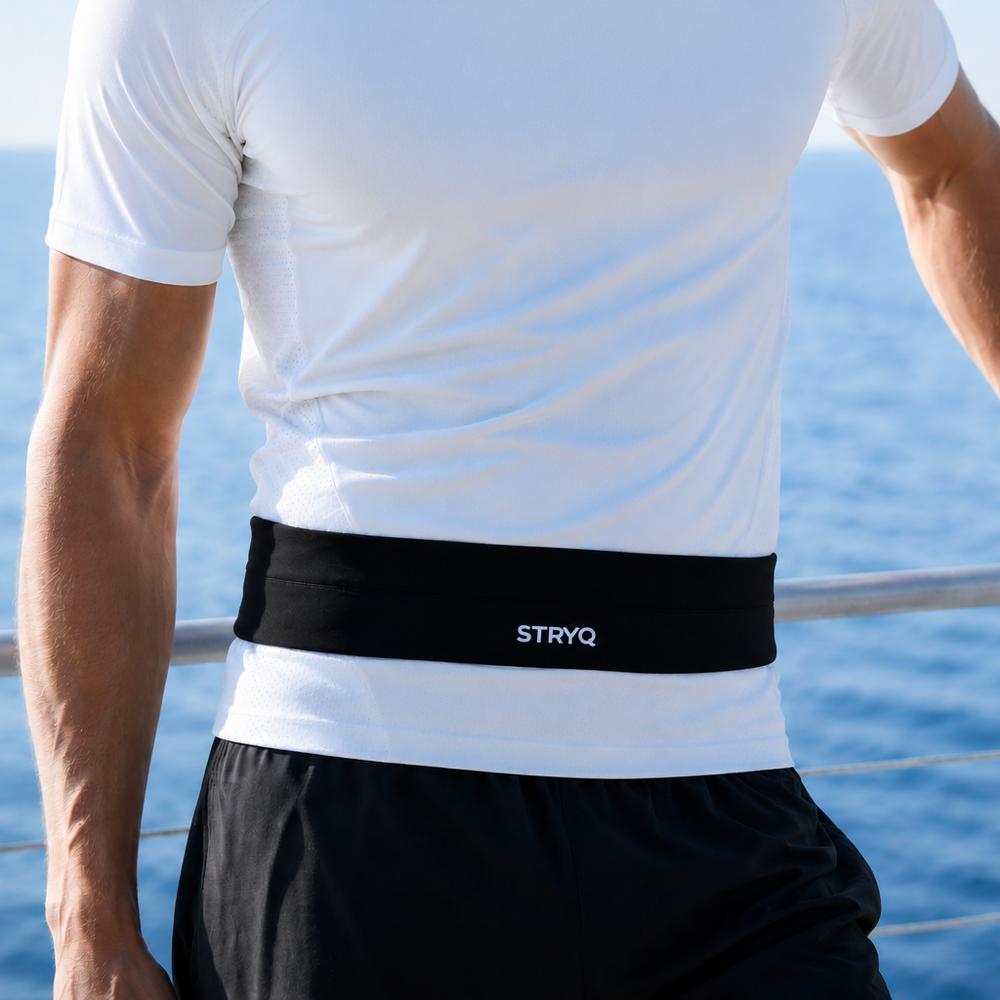
A running race belt is a lightweight belt worn around the hips or waist that allows runners to carry small essentials hands free.
Unlike pockets, a race belt keeps items secure and close to the body, reducing bounce and discomfort over longer distances.
Why Runners Use a Running Race Belt
Race day brings different needs compared to training runs.
Runners use race belts to:
- Carry energy gels or chews
- Store a phone safely
- Keep keys or ID secure
- Reduce reliance on clothing pockets
Over longer races, convenience directly impacts performance.
Running Race Belt vs Training Belt
While training belts and race belts are similar, race day use often prioritises minimalism.
A running race belt should feel almost invisible once worn. It should hold only what you need and nothing extra.
When a Running Race Belt Makes the Most Sense
A race belt is especially useful for:
- 10K races and above
- Half marathons
- Marathon racing
- Runners using specific fuel brands
Shorter races may not require a belt, but many runners still prefer the security it provides.
Running Race Belt vs Aid Stations
Some runners rely entirely on on course aid stations.
A running race belt offers flexibility. You fuel when you want, not when the course dictates.
This is particularly helpful in crowded races where stations can become congested.
What to Carry in a Running Race Belt
Race belts work best when kept light.
Typical race belt contents include:
- 2 to 6 energy gels
- One mobile phone
- Keys or ID if required
Overloading a belt increases bounce and reduces comfort.
How to Wear a Running Race Belt Properly
Fit and placement matter.
- Wear the belt around the hips rather than the waist
- Adjust snugly without restricting breathing
- Distribute items evenly
- Rotate the belt slightly if needed for comfort
A correctly fitted race belt should not move or draw attention during the run.
Testing a Running Race Belt Before Race Day
Never introduce a race belt for the first time on race day.
Use long training runs to test:
- Comfort when fully loaded
- Ease of accessing fuel
- Any rubbing or pressure points
If it works during a long run, it will work on race day.

Running Race Belt vs Hydration Vest
Some runners debate whether to wear a race belt or a vest.
A race belt is ideal when:
- You plan to use on course water
- You only need to carry fuel
- You want minimal gear
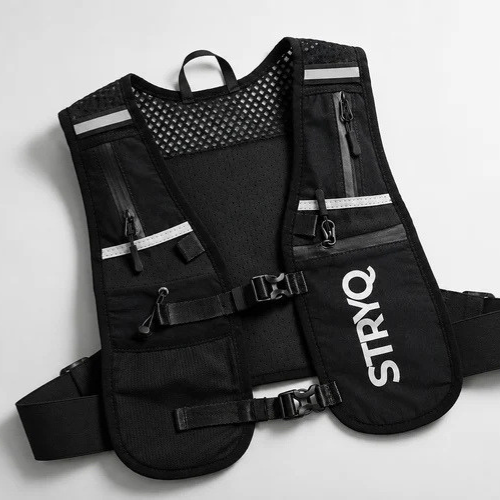
A hydration vest is better when runners want to carry fluids. Many runners train with a vest and race with a belt.
You can view STRYQ’s running belt range for race and training use, and the running vest for longer self supported runs.
Visibility and Early Morning Races
Many races start early, especially during spring and autumn.
A high visibility running belt improves confidence in low light conditions without adding bulk.
Common Running Race Belt Mistakes
- Wearing the belt too tight
- Overpacking
- Not testing before race day
- Relying on pockets instead
Who Should Use a Running Race Belt
A running race belt suits runners who:
- Use specific gels or nutrition
- Want hands free storage
- Prefer consistency in fueling
- Value simplicity on race day
Running Race Belt for First Time Racers
For first time racers, a race belt can reduce anxiety.
Knowing your fuel and essentials are with you allows you to focus on pacing and enjoying the race experience.
Final Thoughts on Running Race Belts
A running race belt is not mandatory, but for many runners it becomes one of the most trusted pieces of race day gear.
If it removes stress and keeps you comfortable, it earns its place on the start line.
FAQ
Do I need a running race belt
No, but many runners find it extremely useful for carrying fuel and essentials.
Will a race belt slow me down
No. A properly fitted belt should not affect pace.
Can I wear a running race belt in official races
Yes. Race belts are allowed in organised events.
Should I train with my race belt
Yes. Always test race day gear in training.