Are running socks worth it is one of the most common questions runners ask when they start taking training seriously. It is a fair question because socks look simple, and it can feel like a gimmick. In practice, good running socks can change how your feet feel over distance, how often you get hot spots, and how comfortable your shoes fit when you sweat.
This guide is a proper, no fluff breakdown of what running socks actually do, when they matter most, how to choose them, and when you can save your money. It is written for UK runners who run on pavements, paths, parks, treadmills, and muddy routes, all in the same month.

Are running socks worth it for most runners
Are running socks worth it for most runners. Yes, if you run regularly, sweat a lot, get blisters, run longer than 30 minutes, or train through winter and summer. The value comes from comfort and problem prevention, not performance promises.
Running socks are designed to manage friction, moisture, and pressure points better than everyday cotton socks. That can mean fewer blisters, less rubbing, less slipping inside the shoe, and fewer toenail issues over time. You will not suddenly run faster because of socks, but you may run more consistently because your feet are not wrecked after a long run.
What running socks do differently from normal socks
When people say they can run in any socks, they usually mean they can finish the run. The real difference is how your feet feel at the end, and how your feet hold up across weeks of training. Running socks focus on the details that matter when you repeat the same motion thousands of times.
They reduce friction where blisters start
Most blisters come from friction and heat. Cotton socks often hold moisture, which increases friction. Running socks tend to use yarns that move sweat away from the skin and keep a more stable feel inside the shoe.
They manage sweat better
Sweat changes fit. When a sock gets wet, it can bunch, slip, or stick. Running socks are made to dry faster and feel less soggy. That matters on long runs, wet UK days, and treadmill sessions where your feet sweat more than you expect.
They hold shape and stay put
Normal socks can slide down or twist. That creates pressure points and rubbing. Running socks often have arch support bands and better shaping at the heel so they do not move around as much.
They add cushioning in useful zones
Running socks usually place cushioning under the heel, ball of foot, and sometimes the toes. They often reduce bulk on top of the foot, which keeps your shoes feeling consistent and reduces lace pressure.
They can improve comfort in different temperatures
Not all running socks are thick. Many are thin, breathable, and cool. Others use merino blends for warmth in winter. Cotton tends to be bad at both extremes because it holds moisture.

Who benefits most from running socks
Some runners notice the difference immediately. Others only notice once they go back to normal socks and wonder why their feet feel worse. These are the groups who usually get the most value.
Beginner runners building consistency
If you are new to running, you are still building foot resilience. Your skin and nails are not used to repeated impact and heat. Socks that reduce rubbing can help you train more often without sore feet becoming the reason you skip a run.
Runners who get blisters or hot spots
If you get blisters, running socks are often a simple fix. They reduce friction and manage moisture, which are the main causes. This is especially true if you currently run in cotton socks.
Long run and marathon training runners
Distance magnifies small problems. A sock that is fine for 20 minutes might be awful for two hours. If you are doing half marathon or marathon training, socks become part of your kit that you do not want to gamble with.
Trail runners and winter runners
Trail running often means water, mud, and more foot movement inside the shoe. Winter running means cold feet and wet socks. A better sock fabric and fit matters here.
Runners with sweaty feet
Some people sweat heavily through the feet even on easy runs. If that is you, socks that wick and hold shape are worth considering. Wet cotton socks are a fast route to rubbing.
When running socks are not worth it
There are also cases where spending money on socks is not the priority.
If you only run occasionally and never get foot issues
If you run once in a while, short distances, and your feet never hurt, you may not need dedicated socks. You might still prefer them, but it may not be the first upgrade.
If your shoes do not fit properly
Socks cannot fix poor shoe fit. If your shoes are too small, too wide, or slide at the heel, socks will not solve the root problem. Fix shoe fit first, then use socks to fine tune comfort.
If your blisters come from lacing or gait issues
Some blisters are caused by heel slip, lace pressure, or foot strike patterns. Socks can help, but you may need to adjust lacing, try heel lock lacing, or choose a shoe that suits your foot better.
The real reasons runners buy running socks
Runners usually buy socks for one of three reasons. Comfort, problem prevention, or confidence on longer runs. It is rarely about fashion.
Comfort that holds up over distance
When socks fit well and do not move, you forget about them. That is the point. You focus on breathing, pace, and the route, not on your toes rubbing.
Blister prevention
Blisters can end a training block. If you have ever had to stop running for a week because your feet were torn up, socks stop being a small purchase. They become part of your training plan.
Keeping shoes feeling consistent
Sock thickness and shape affects shoe fit. A sock that holds shape helps your shoes feel the same every time you put them on. That matters when you are training and want fewer variables.
Types of running socks and how to choose
The best running sock for you depends on distance, weather, and personal preference. You do not need ten types, but you do need to know the basics so you buy the right pair first time.
Cushioned vs thin socks
Cushioned socks add padding under the foot. Thin socks feel cooler and give a closer shoe feel. Neither is automatically better.
- Choose cushioned if you run longer, land heavily, or want more comfort on roads.
- Choose thin if you run hot, race often, or like a close fit in a snug shoe.
Low cut, crew, and knee high
Most runners use low cut socks for road running. Crew socks are popular in cooler weather. Knee high socks are usually compression socks, which is a different category.
- Low cut: common for everyday training, lighter feel.
- Crew: warmth and some protection from trail debris.
- Knee high: often chosen for compression, recovery, or travel.
Merino wool vs synthetic blends
Merino blends are popular in winter because they feel warm even when damp. Synthetic blends are common for summer because they dry fast and feel light. Both can be good. Cotton is the one to avoid for most runners.
Toe socks
Toe socks separate the toes, which can reduce toe rubbing for some runners. They take getting used to. They can be excellent if your blisters form between toes.
Compression socks
Compression socks are often used for long travel, recovery, or some runners who like the feeling during long runs. Evidence and experience varies. They are not essential for everyone. If you like them, they can be part of your kit.
Blisters explained in simple terms
If you want to know if running socks are worth it, it helps to understand blisters in plain English. A blister forms when skin layers separate due to friction. Sweat softens the skin, which makes it more likely. Heat increases friction, which makes it worse.
A good running sock reduces friction and removes sweat from the skin. That is why socks often make a difference even when you keep the same shoes.
Common blister locations and what they usually mean
- Heel: heel slip, loose fit, or sock movement.
- Ball of foot: heat, friction, or too much movement in the shoe.
- Toes: shoes too small, wet socks, or toe rubbing.
- Side of foot: foot sliding, poor lockdown, or shoe fit issues.
How to know you need running socks
Use this checklist. If you tick two or more, running socks are usually worth trying.
- You get blisters or hot spots more than once a month.
- Your socks are cotton or feel soaked after a run.
- Your socks twist or slip inside the shoe.
- Your feet feel sore from rubbing after long runs.
- Your shoes fit differently depending on the day.
- You run in wet conditions and your socks stay wet.
Do expensive socks always mean better socks
Not always. Price does not guarantee comfort. Fit, fabric, and design matter more. Some premium sock brands build strong reputations, but that does not mean a cheaper sock cannot work for you.
When you compare, focus on practical features. Wicking fabric, stable fit, and cushioning where you need it. Brands like Balega, Feetures, Falke, Injinji, CEP, Stance, and Rockay are often mentioned in the running sock space. Some runners swear by them, others do not notice a difference. Your foot shape and shoe fit play a big role.
How many pairs do you need
You do not need a drawer full. For most runners, three to five pairs covers regular training. If you run four or five times a week, having enough pairs means you are not forced to wear damp socks from yesterday because the wash is behind.
A simple sock setup for most UK runners
- Two to three pairs of everyday training socks.
- One pair for long runs, slightly more cushioned if you like it.
- One pair for wet or cold weather, often a warmer fabric.
How to get the fit right
Even the best sock will fail if the fit is wrong. Socks should feel snug, without bunching, and without pressure points at the toes.
Size matters more than people think
If a sock is too big, it folds and rubs. If it is too small, it pulls tight and can create pressure at the toe box. Use the brand size guide and do not guess.
Match sock thickness to shoe fit
If your shoes are already snug, thick socks can make them feel cramped. If your shoes have room, a slightly cushioned sock can improve comfort. If you change sock thickness, you are effectively changing shoe fit.
Pay attention to seams
Toe seams can irritate some runners. Many running socks use flatter seam construction for this reason. If your toes get sore, the seam is worth checking.
Are running socks worth it for winter running
Winter is where many runners become believers. Cold, wet, and windy conditions make cotton socks miserable. A better sock can keep your feet warmer, reduce rubbing when wet, and dry faster after puddles.
If you run through UK winter, prioritise socks that stay comfortable when damp. Merino blends can feel warmer. Synthetic blends can dry faster. Either can work, but cotton tends to stay wet and cold.
Are running socks worth it for summer running
Summer is a different problem. Heat and sweat. Socks that breathe and wick well can reduce the soggy feel and the friction that comes with it. Thin running socks often feel best in summer, especially for treadmill and faster sessions.
Are running socks worth it for treadmill running
Yes, often. Many runners sweat more on treadmills because airflow is lower. That means your feet can get damp quickly. If your socks hold moisture, you can end a session with hot spots even though the run felt easy.
Cost per run thinking
A good way to decide if running socks are worth it is to think in cost per run, not price per pair. If a sock lasts months and prevents one blister that would have disrupted training, it has likely paid for itself in comfort alone.
It is the same mindset runners use when buying a belt or vest. You buy it because it makes running easier to repeat. If your kit removes friction points, you can train more consistently.
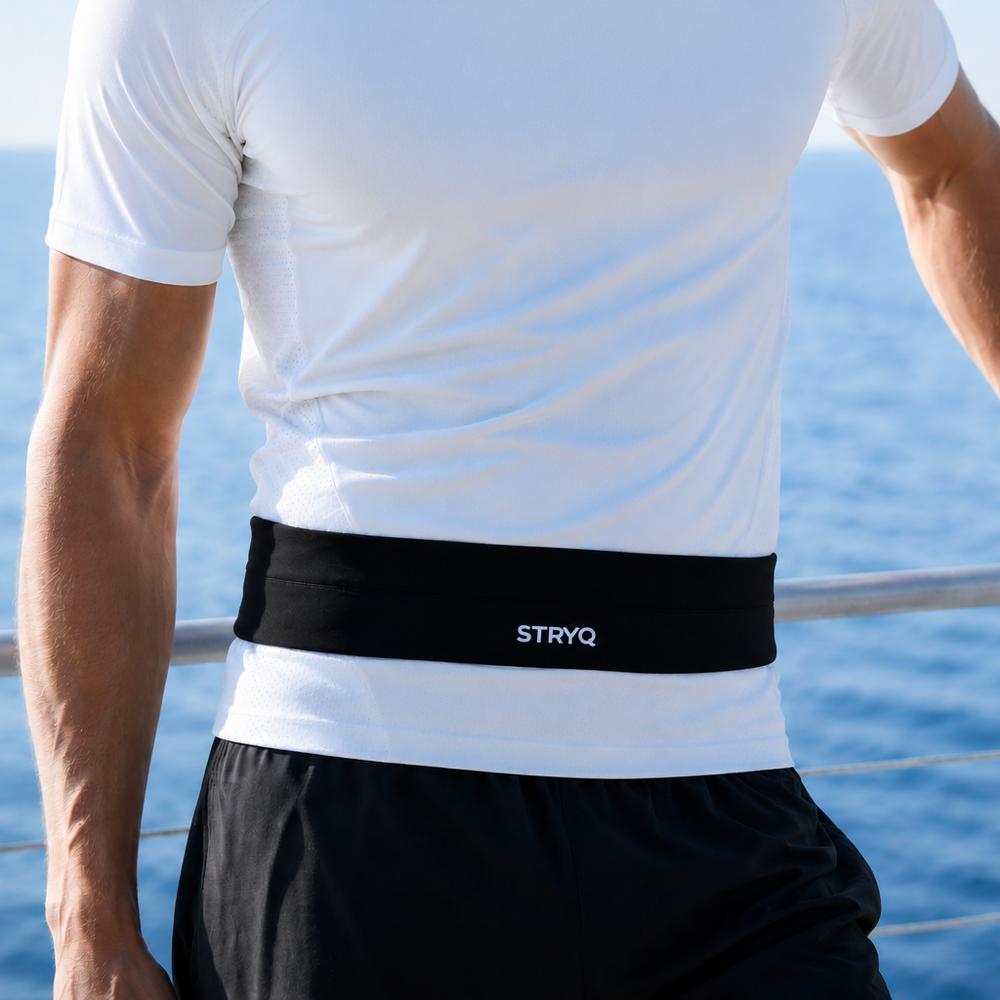
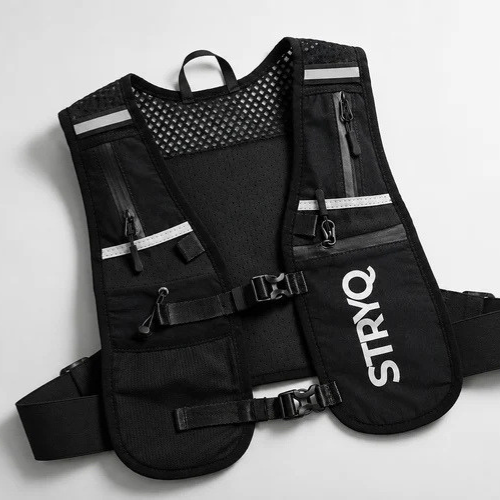
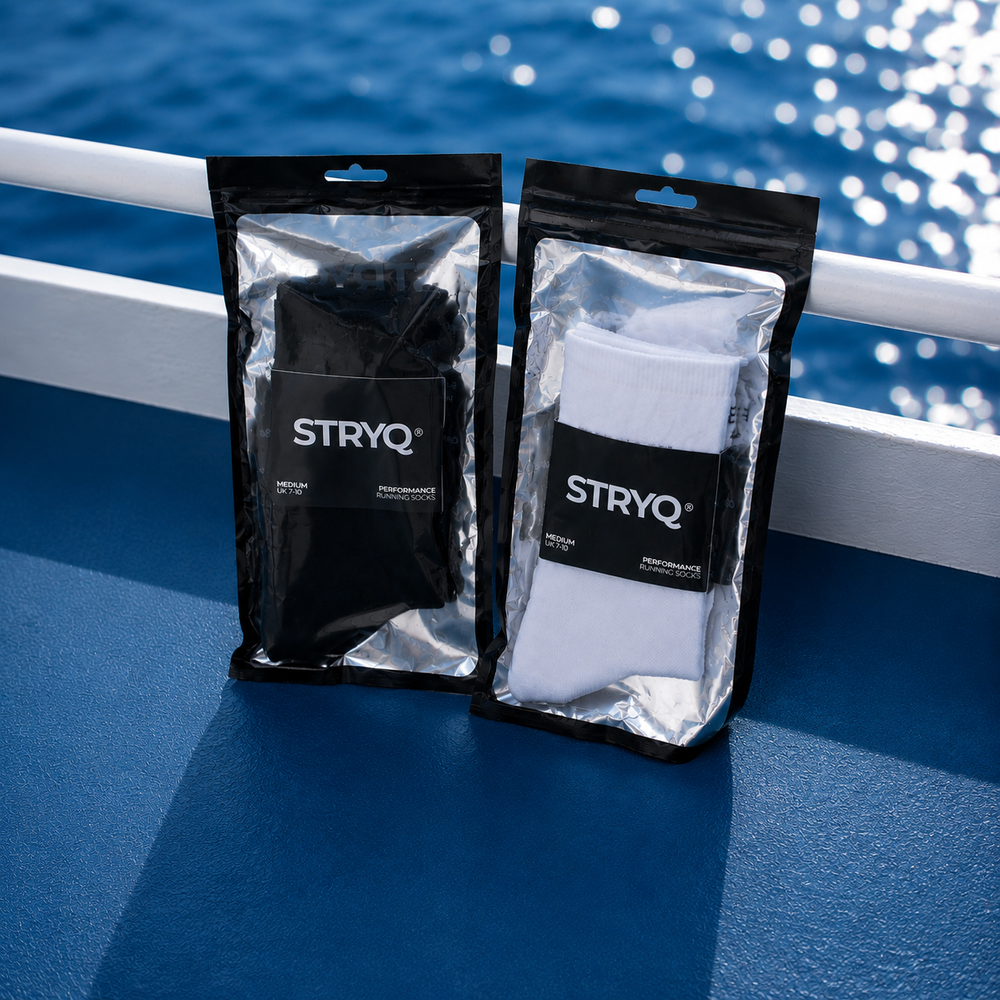
If you are building your overall running setup, you can browse the STRYQ running socks collection. For carrying gels and essentials on longer runs, a stable belt can also improve comfort, which you can see in the running belt collection. For long run storage and hydration, the running vest is £32.99, which is often far lower than big brand pricing.
How to care for running socks so they last
Socks are small, but they still need care if you want them to last and stay comfortable.
Wash tips that protect performance
- Wash soon after running if they are soaked, so sweat salts do not build up.
- Use a gentle cycle where possible.
- Avoid heavy fabric softener, which can reduce wicking.
- Air dry if you can, especially for merino blends.
Replace when fit changes
If the sock feels loose, slips, or the cushioning has flattened, you may be inviting blisters again. Socks wear out gradually. Most runners notice it only when they switch to a fresh pair and remember how good they should feel.
What to do if you still get blisters in running socks
Sometimes socks are not the only factor. If you are still getting blisters, work through this order. It keeps things practical and avoids random spending.
Step 1: Check shoe fit and lockdown
If your heel lifts or your foot slides, friction increases. Try heel lock lacing. If your shoe is too big, socks will not fix it. If your shoe is too small, socks may make it worse.
Step 2: Match sock thickness to the shoe
If your shoes are snug and you wear thick socks, you may be compressing toes and increasing pressure. If your shoes are roomy and you wear thin socks, you may be sliding. Adjust thickness accordingly.
Step 3: Reduce moisture
Try a more breathable sock or a different fabric blend. If your feet sweat heavily, moisture control is often the missing piece.
Step 4: Use a simple barrier on known hot spots
Some runners use blister plasters or tape on specific spots for long runs. This is normal and not a failure. Even experienced runners do it when they know a long run will test their feet.
Where socks sit in your overall running kit priorities
If you are deciding where to spend first, think about your biggest friction point. If your feet get sore, socks are a strong first upgrade. If you cannot carry essentials comfortably, a belt or vest might come first.
Big running brands like Salomon, CamelBak, Nathan, and Ultimate Direction often get mentioned for vests and storage. Socks are similar. There are plenty of well known names. The best value choice is the one that keeps you running comfortably without overpaying for a logo.
If you want more training and kit guidance, the training tips and performance category is a good place to browse. You can also use the STRYQ blog hub to find more topics as your training builds.
FAQ
Are running socks worth it if I do not get blisters
They can still be worth it for comfort, sweat management, and stability. If your current socks never move and your feet feel fine, the difference may be smaller. Many runners still prefer running socks once they try them.
Are running socks worth it for beginners
Yes, often. Beginners are more likely to get hot spots while their feet adapt to running. Socks that reduce friction can help you train more consistently, especially if you run in cotton socks right now.
What is the biggest difference between running socks and normal socks
The biggest difference is friction and moisture control. Running socks usually wick better, hold shape better, and reduce rubbing. Normal cotton socks often hold sweat and shift around.
Should I buy thick or thin running socks
Choose thin socks if you run hot, race, or want a close shoe feel. Choose cushioned socks if you run longer, want more comfort on roads, or prefer a softer underfoot feel.
Do running socks help with toenail problems
Socks can help indirectly by reducing movement and rubbing. Toenail issues often come from shoes that are too small or from feet sliding forward. Check shoe fit and lockdown first.
How many pairs of running socks do I need
Most runners are fine with three to five pairs for regular training. This allows you to rotate pairs and avoid reusing damp socks, which increases friction and discomfort.